








The Habit: Pay Yourself First, Automatically
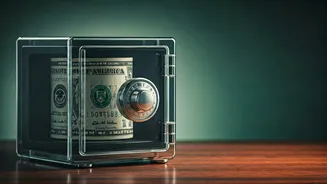
Forget everything you think you know about budgeting. Don't start with your expenses, your spending categories, or that five-dollar coffee you feel guilty about. The single most effective habit is this: treat your savings as the most important bill you have
to pay each month. This is the 'Pay Yourself First' principle, but with a crucial, modern twist: you must automate it. This isn't a vague goal like 'I'll try to save more this month.' It's a specific, concrete action. You decide on a percentage or a fixed dollar amount that you want to save, and you set up an automatic, recurring transfer from your checking account to a separate savings or investment account. The key is to schedule this transfer to happen the same day you get paid, before you have a chance to see the money, get used to it, or spend it.
Why This Is the 'Simplest' Method
The beauty of this system is its profound simplicity. It flips traditional budgeting on its head. A typical budget forces you to track dozens of transactions and make hundreds of small decisions, leading to decision fatigue and eventual failure. 'Did I spend too much on groceries? Can I afford to go out with friends?' This constant mental accounting is exhausting.
The 'Pay Yourself First' automated method requires just one decision, made one time. You decide how much you can realistically save, set up the transfer, and you're done. There are no apps to check, no spreadsheets to update, and no receipts to hoard. Your savings goal is met without any ongoing effort. The money is simply gone—moved to your savings—before it ever becomes a temptation. You are then free to spend the rest of your money however you see fit, guilt-free, because you know your most important financial goal has already been taken care of.
The Psychology Behind Why It Works
This habit is powerful because it works with human psychology, not against it. Most of us are prone to inertia and procrastination. By automating your savings, you use that inertia to your advantage. Once the transfer is set up, it takes more effort to stop it than to let it continue. You're making your desired behavior—saving money—the default path of least resistance.
Furthermore, it removes willpower from the equation. Willpower is a finite resource. Relying on it to manually transfer money to savings at the end of the month is a recipe for failure. Life happens, unexpected costs pop up, and that 'extra' money you planned to save often vanishes. By paying yourself first, you treat your future self as a non-negotiable creditor. It becomes a fixed expense, just like your rent or mortgage payment. This simple reframing transforms saving from a choice into an obligation, ensuring consistent progress toward your goals.
How to Set It Up in 15 Minutes
You can implement this entire system during a coffee break. Here's how:
1. Choose Your Destination: You need a separate account for these funds to go to, so you aren't tempted to spend them. This can be a high-yield savings account for an emergency fund or short-term goals, or a retirement account like a Roth IRA for long-term investing.
2. Decide on an Amount: Don't overthink this. Start with an amount that feels comfortable, even if it's small—say, 5% of your take-home pay or even just $50 per paycheck. You can and should increase it later as you get more comfortable.
3. Set Up the Automatic Transfer: Log in to your primary bank account online. Find the section for transfers and set up a recurring transfer to your chosen savings/investment account. Schedule the transfer date for the day you get paid, or the day after, so the money is moved before you even notice it's there.
That's it. Once you confirm the transfer, your new habit is officially active. You've built a system that saves for you, freeing up your mental energy for the rest of your life.