

More Than Just a Condiment
For generations, Indian pickles have been celebrated for their bold, complex flavours that can elevate any meal. But now, a growing number of health-aware young Indians are looking past the spice and tang to appreciate a different quality: the potential
for live, beneficial bacteria. As gut health becomes a central topic in modern wellness, this humble, homemade staple is stepping into the spotlight. A wider trend shows a return to traditional Indian foods, with ingredients once seen as old-fashioned now being celebrated for their health benefits. This renewed interest is transforming the perception of pickles from a simple flavour enhancer to a functional food that aligns with contemporary health goals.
A Primer on Probiotics and Gut Health
So, what is all the fuss about? Probiotics are live microorganisms, often called 'good' bacteria, that offer health benefits when consumed in adequate amounts. They are crucial for maintaining a healthy gut microbiome—the bustling ecosystem of trillions of microbes in your digestive tract. This ecosystem plays a vital role in everything from digestion and nutrient absorption to immune function and even mental well-being. A surge in digestive issues like bloating and acidity among younger adults, driven by stress and modern lifestyles, has pushed gut health to the forefront of wellness conversations. As a result, many are actively seeking natural, food-based sources of probiotics to support their digestive systems.
The Magic of Lacto-Fermentation
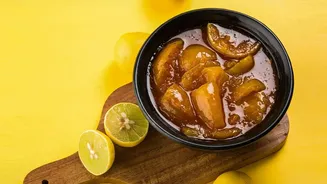
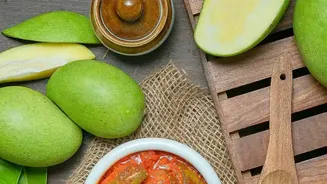
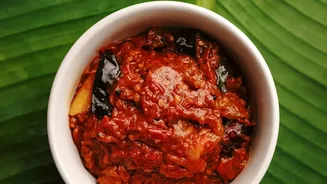
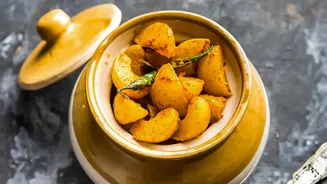
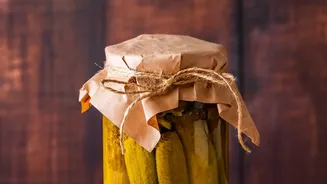
The key to the probiotic power of traditional pickles lies in their preparation. Authentic Indian achar is often made through lacto-fermentation, a process where vegetables or fruits are submerged in a salt brine. In this environment, naturally occurring beneficial bacteria, primarily from the Lactobacillus family, consume the sugars in the vegetables and produce lactic acid. This acid acts as a natural preservative, keeping harmful bacteria at bay while allowing the good ones to thrive. The result is a pickle rich in live cultures, with a complex, tangy flavour that develops over weeks.
Not All Pickles Are Created Equal
It is crucial to understand that not every jar of pickle on the shelf is a probiotic powerhouse. Many commercially produced pickles use vinegar as the primary preservative instead of relying on natural fermentation. Vinegar creates an acidic environment that is hostile to most bacteria, including the beneficial ones, meaning these pickles do not contain live probiotic cultures. Furthermore, some pickles undergo pasteurisation—a heat treatment used to extend shelf life—which also destroys live bacteria. For those seeking genuine gut health benefits, the best choice is traditionally prepared, unpasteurised, and sun-fermented pickles made without vinegar.
A Return to Ancestral Wisdom
This embrace of fermented pickles is part of a larger movement among young Indians to reconnect with ancestral food wisdom. In a world of processed foods and rapidly changing dietary habits, there is a growing appreciation for the time-tested practices that kept previous generations healthy. Traditional fermented foods like pickles, homemade curd, and idli batter are being seen not as relics of the past, but as sustainable and effective tools for modern wellness. They offer a way to manage health that feels authentic, accessible, and rooted in one's own culture, turning the everyday meal into an act of self-care.