



The Perfect Monsoon Snack
There's a scientific and sensory reason we gravitate towards fried foods during the monsoon. The cooler, damp weather makes our bodies crave warm, comforting meals. [16] During the rainy season, reduced sunlight can lead to a dip in serotonin, our 'happy
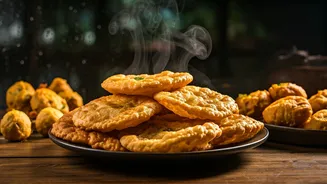
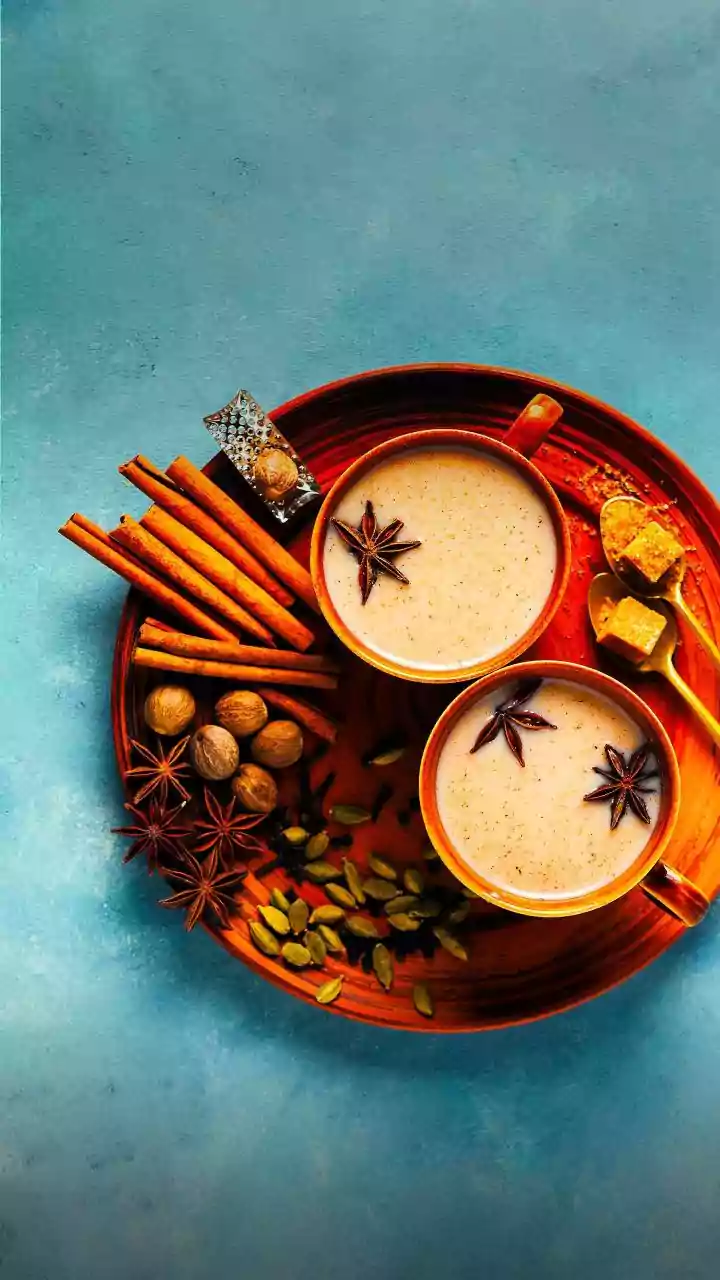
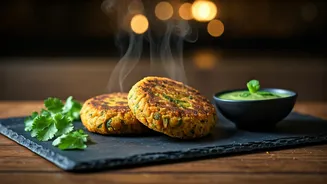
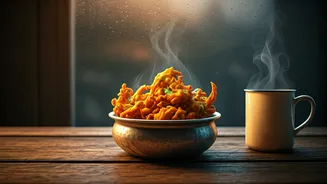
hormone'. [8, 13] Our bodies then seek out carbohydrates and comforting textures to get a quick boost. [8, 13] The crispy, crunchy exterior of a freshly fried cutlet provides a delightful contrast to the damp, humid environment, offering a sense of comfort and satisfaction. [8, 16] Paired with a steaming cup of chai, it becomes more than just a snack; it’s an experience, a ritual that makes rainy days feel cosy and complete. [14, 16]
From Colonial Tables to Indian Kitchens
The cutlet has a fascinating history, travelling from Europe to become a beloved Indian staple. The term originates from the French 'côtelette', meaning a thin slice of meat, often from the ribs. [2, 12, 18] In British India, this preparation was adapted. Due to the climate, meat couldn't be aged and was often tough, so minced meat (keema) became a popular substitute. [9] This mince was often mixed with mashed potatoes, a vegetable introduced to India by European traders, to create patties that were then breaded and fried. [9, 15] Indian cooks, with their culinary ingenuity, adapted this concept, and the vegetarian version, with potato as its star, was born. [15] It quickly became a favourite, especially as a reliable offering in railway canteens for travellers across the country. [22]
A Canvas for Culinary Creativity
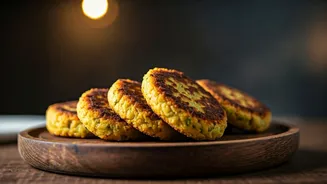
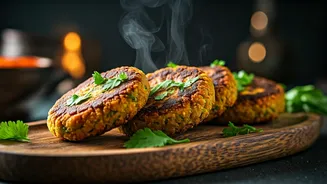
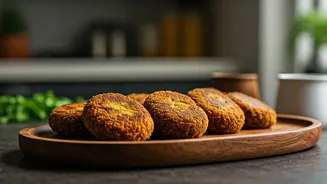
One of the greatest appeals of the vegetable cutlet is its sheer versatility. While the classic version features a mix of mashed potatoes, peas, carrots, and beans, the possibilities are endless. [2, 7] Across India, cooks and chefs use a wide variety of ingredients. You can find deep-red beetroot cutlets, which offer a sweetish flavour and vibrant colour. [5] Paneer cutlets add a rich, creamy texture, while those made with spinach or other greens pack a nutritional punch. [7] Modern variations even include ingredients like poha (flattened rice), sweet potato, bread, mushrooms, and even noodles, each adding its own unique texture and taste. [2, 7, 17] This adaptability ensures that there’s a cutlet for every palate and pantry.
An All-Occasion Star
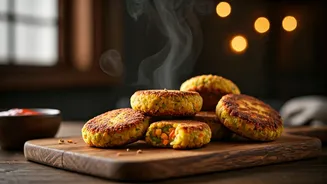
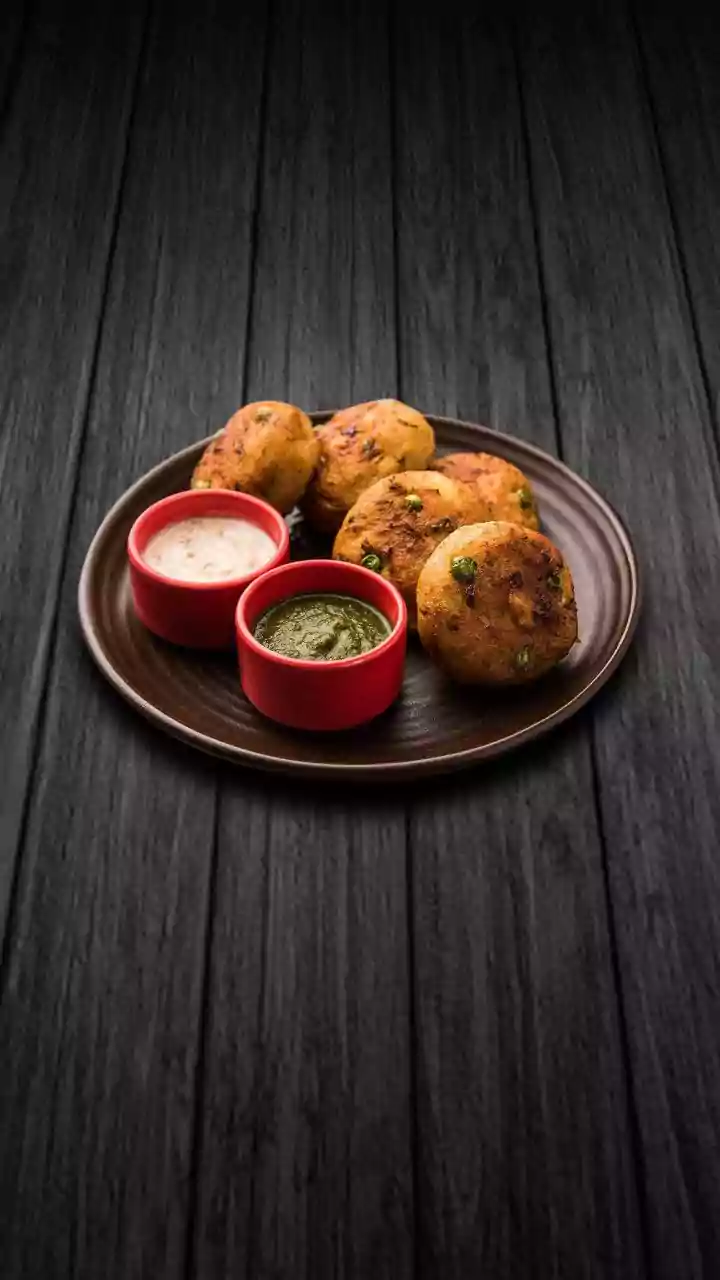
While it shines brightest during the monsoon, the vegetable cutlet is a year-round favourite that fits seamlessly into various settings. It’s a popular street food snack, served hot with tangy green chutney or sweet tomato ketchup. [7] It’s also a star appetiser at parties and gatherings, easy to make in large batches and loved by guests of all ages. [19] The vegetable patty is a cherished item in children's tiffin boxes and even finds its way into sandwiches and burgers, showcasing its incredible range. [17, 21, 22] From humble street-side stalls and railway platforms to the menus of trendy cafes, the cutlet’s presence is a testament to its universal appeal. [20, 22]