








What is Functional Training, Really?
Forget isolating a single muscle with a complicated machine. Functional training is a fitness philosophy built around movements that mimic everyday life. Think of the actions you do without a second thought: squatting to pick something up, lifting a heavy
shopping bag, carrying a suitcase up the stairs, or twisting to grab something from the back seat of a car. Functional exercises train your muscles to work together as a coordinated system, just as they do in the real world. This approach uses compound movements that engage multiple joints and muscle groups simultaneously, building strength that is practical and useful outside the gym.
The Antidote to Boring Cardio
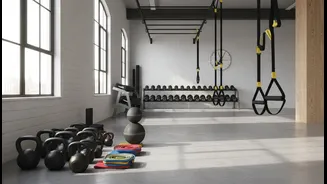
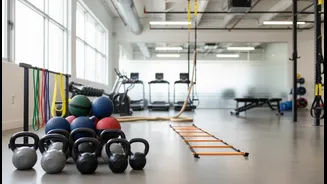
One of the biggest reasons people quit their fitness routines is boredom. Traditional cardio, like running on a treadmill or using an elliptical, often involves repetitive, low-skill movements that can feel monotonous and unengaging. Your brain craves novelty and challenge, which is why staring at a timer during a steady-state run can make minutes feel like hours. Functional training is the complete opposite. The workouts are incredibly varied, incorporating different movements, tools like kettlebells or resistance bands, and challenges that keep your mind and body engaged. This variety not only prevents boredom but also challenges your body in new ways, leading to better overall results.
Building Strength for Real Indian Life
The focus in fitness for many Indian women is shifting from simply being thin to becoming strong and capable. Functional training directly serves this goal. The strength you build isn't just for show; it's for life. It’s the power to lift a gas cylinder without straining your back, the stability to carry your child with ease, and the mobility to sit comfortably on the floor and get back up without difficulty. By strengthening muscles in patterns that you use daily, you improve your posture, enhance balance and coordination, and significantly reduce the risk of everyday injuries. This is especially important for women, as it supports bone density and joint stability, which are crucial for long-term health.
Why It's a Sustainable Habit
A fitness routine is only effective if you can stick with it. The sustainable nature of functional training comes from two key factors: enjoyment and tangible results. Because the workouts are dynamic and interesting, they feel less like a chore and more like play. Furthermore, when you notice that carrying groceries feels easier or you no longer have that nagging lower back pain, you see the direct, real-world benefits of your effort. This positive feedback loop is a powerful motivator. This approach fits into a modern, holistic view of wellness that is gaining traction in India, where fitness is integrated into life rather than being a separate, punishing activity.
Getting Started with Simple Functional Moves
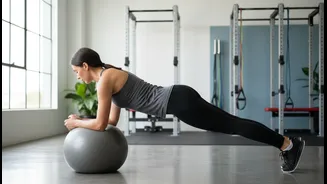
You don't need a fancy gym to begin. Functional training can easily be done at home with minimal to no equipment. Focus on mastering basic movement patterns first. Try incorporating these exercises into your routine: Squats: The most fundamental movement. Practice sitting back as if into a chair, keeping your chest up and back straight. This strengthens your legs and core for lifting and bending. Lunges: This move improves balance and single-leg strength, perfect for climbing stairs or stepping over obstacles. Plank: A simple hold that builds incredible core stability, protecting your spine in almost every activity you do. Farmer's Walk: Simply pick up two heavy items of equal weight (like water bottles or bags) and walk. This mimics carrying heavy shopping bags and builds grip strength, core stability, and posture.