







The Scale of the Kanwar Yatra
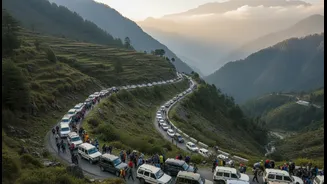
The Kanwar Yatra is one of India's largest annual religious gatherings, where millions of devotees of Lord Shiva, known as Kanwariyas, journey on foot to collect holy water from the Ganga. They travel from pilgrimage sites like Haridwar, Gaumukh, and
Gangotri in Uttarakhand, carrying the water back to offer at local Shiva temples. The sheer scale of this pilgrimage, which saw an estimated four crore devotees in Haridwar in 2025, necessitates extensive traffic management measures by state authorities to ensure the safety of both pilgrims and regular commuters. This leads to phased closures and diversions on some of the region's most critical highways.
Kanwar Yatra 2026: Key Dates and Periods
For 2026, the Kanwar Yatra begins with the start of the Shravan month on Thursday, July 30. The pilgrimage will build towards its peak on Sawan Shivratri, which falls on Tuesday, August 11. While the entire month is significant, drivers should be most prepared for major diversions in the two weeks leading up to August 11, with peak disruption expected from around August 7 to August 12. Normal traffic flow is generally restored a couple of days after Sawan Shivratri, around August 13.
Primary Affected Highways and Corridors
The main artery for the Kanwar Yatra is National Highway 34 (formerly NH-58), the corridor connecting Delhi/Ghaziabad through Meerut, Muzaffarnagar, and Roorkee to Haridwar. This route sees the highest concentration of Kanwariyas on foot and is the first to face restrictions. Other majorly impacted roads include the Delhi-Meerut Expressway (DME), which feeds into the pilgrimage route, and the recently opened Delhi-Dehradun Expressway, which was also closed to regular traffic during peak yatra days in previous years. Local routes in cities like Ghaziabad, Meerut, and Haridwar, such as the Ganganahar Patri and Pipeline Marg, are often fully closed to vehicles.
Official Diversion Plans and Advisories
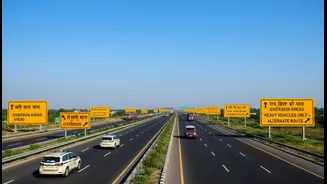
Police departments in Uttar Pradesh, Delhi, and Uttarakhand coordinate to manage the massive traffic flow. While official 2026 orders are typically published closer to the date, the pattern remains consistent. Expect a phased approach: heavy vehicles like trucks and buses are usually banned from key routes like NH-34 and the DME about two weeks before Shivratri. In the final, most crowded week, these highways are often completely closed to all private and commercial vehicles, with traffic rerouted onto alternative corridors. Commuters from Delhi and Ghaziabad heading towards Uttarakhand are often directed to use NH-9 via Hapur and then connect to other state highways or the Eastern Peripheral Expressway.
Tips for Smarter Route Planning
Navigating North India during this period requires more than just following your GPS. First, if possible, plan long-distance travel to or from Uttarakhand before July 30 or after August 13 to avoid the peak rush entirely. For essential travel during the yatra, always check for the latest traffic advisories from state police departments before you leave. While navigation apps are helpful, they may not reflect closures in real-time. The most reliable alternative for travellers from Delhi-NCR heading towards Dehradun and Mussoorie is often the route via Panipat and Saharanpur. For those going towards Rishikesh, the route via Bijnor and Kotdwar can help bypass Haridwar's congestion. Always add significant buffer time to your journey, as even alternative routes will experience increased traffic.