







The Allure of a Rain-Washed World
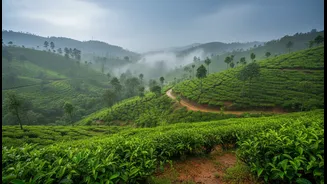
For many, monsoon travel conjures images of cancelled plans and muddy trails. But for a growing number of young Indians, it represents a sensory awakening. The season transforms familiar landscapes into mystical realms; the air is cleansed of dust, the earth
smells of renewal, and a vibrant, almost electric green cloaks the hills and plains. This shift is part of a larger trend towards slow travel, where the goal is no longer to tick off destinations from a checklist but to immerse oneself in a place. Recent reports show a significant turn towards relaxation-focused holidays, with many travellers now prioritising nature and tranquillity over crowded hotspots. The monsoon provides the perfect backdrop for this, offering a peaceful atmosphere that encourages introspection and a deeper connection with the surroundings.
From Pilgrimage to Mindful Journey
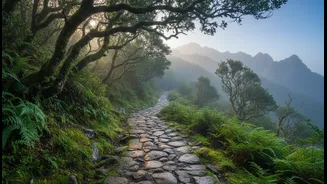
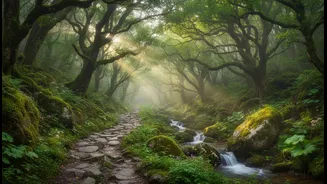
Spiritual travel in India is ancient, but its modern expression is changing. Young domestic travellers are redefining the pilgrimage, moving away from a purely goal-oriented visit to a temple and towards a more mindful exploration of the entire trail. It’s less about reaching the destination quickly and more about what is discovered along the way. This philosophy aligns with the slow travel movement, which champions authentic experiences and genuine connection over hurried sightseeing. This generation, often seeking an escape from urban burnout, is drawn to trips that offer mental, emotional, and spiritual rejuvenation. The journey itself—walking through misty forests, listening to the rhythm of the rain, and witnessing nature’s renewal—becomes a form of meditation.
Sacred Trails Reimagined by Rain
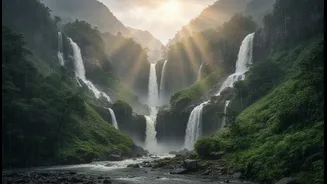
Across India, spiritual trails take on a unique character during the monsoon. In the Western Ghats of Maharashtra, treks to the Jyotirlinga shrine at Trimbakeshwar near Nashik become journeys through cloud-covered hills and spontaneous waterfalls. The path to Kalsubai, the state's highest peak, leads to a small temple enveloped in mist, offering a profound sense of solitude. In Uttarakhand, while some high-altitude Char Dham routes can be hazardous, other trails like the one to Tungnath, the world's highest Shiva temple, become incredibly scenic and remain accessible. Down south, the forest path to Kukke Subramanya in Karnataka turns into a lush, emerald wonderland. Even ancient cities like Haridwar and Varanasi feel transformed, with the Ganga flowing full and the evening aartis reflecting dramatically on the rain-slicked ghats.
A Journey Within and Without
The quietude of the monsoon season fosters an environment ripe for self-reflection. With fewer tourists, temples and trails are far more peaceful, allowing for an undisturbed spiritual experience. This solitude is a key draw for young travellers looking to disconnect from the noise of daily life. Ayurvedic wisdom has long held that the monsoon is an ideal time for healing and rejuvenation, as the humid atmosphere makes the body more receptive to therapies. This principle extends beyond formal treatments; the cool, moist air and the soothing sound of rainfall naturally calm the mind and spirit. The external journey through a rain-washed landscape mirrors an internal one, helping to wash away stress and offer a sense of renewal and clarity.