
The Problem with Our Favourite Snacks
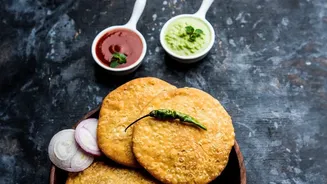
Many beloved Indian savouries, from mathri to pakoras, are made with refined flours like maida and are often deep-fried. This combination results in a high glycaemic index (GI). Foods with a high GI cause a rapid spike in blood sugar levels after they
are eaten. Over time, a diet rich in high-GI foods can contribute to issues like insulin resistance, weight gain, and an increased risk of type 2 diabetes. This creates a difficult choice for many: give up the traditional tastes they love or compromise on their health goals. For a long time, enjoying these snacks daily seemed incompatible with a low-glycaemic lifestyle aimed at stable blood sugar and sustained energy.
India's Ancient Grain Solution
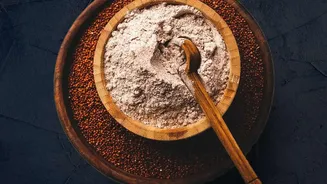
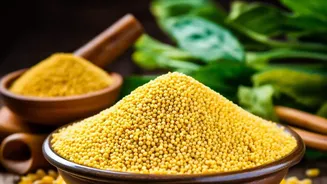
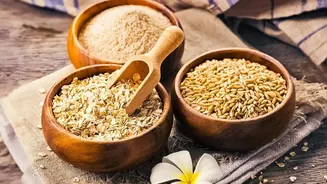
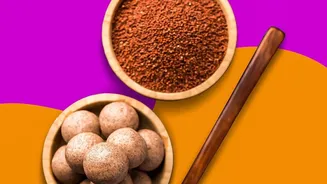
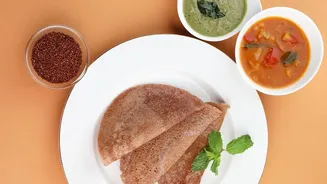
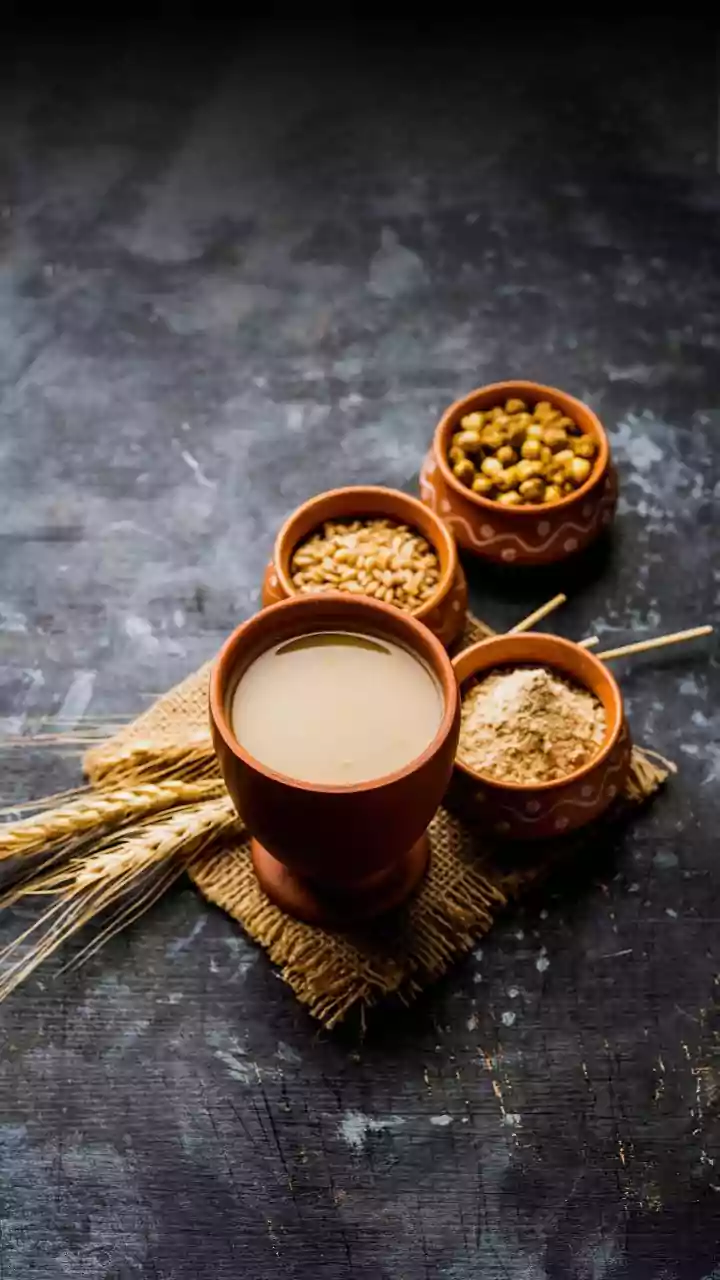
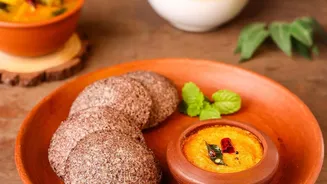
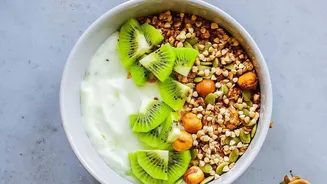
The solution lies in revisiting our agricultural roots with heritage millets, or 'Shree Anna'. Grains like jowar (sorghum), bajra (pearl millet), ragi (finger millet), and foxtail millet have been part of Indian diets for over 5,000 years. These grains are nutritional powerhouses, naturally gluten-free and packed with protein, essential minerals, and, most importantly, dietary fibre. Ragi is famously high in calcium, bajra in iron, and jowar in protein and fibre. Critically, most millets have a low to medium GI, meaning they release sugar into the bloodstream slowly and steadily, preventing the sharp spikes associated with refined grains.
How the Millet Swap Works
Replacing refined wheat flour with millet flour fundamentally changes the nutritional profile of a snack and lowers its glycaemic impact. The magic lies in the high fibre content. Fibre slows down the entire digestive process. It creates a physical barrier that makes it harder for digestive enzymes to quickly break down starches into glucose. Furthermore, the complex carbohydrates and protein matrix within millets ensure a much slower and more sustained release of energy. So, when you eat a chakli or mathri made from jowar or bajra flour, you feel fuller for longer, and your blood sugar remains much more stable compared to eating its maida-based counterpart.
Classic Savouries, Reimagined
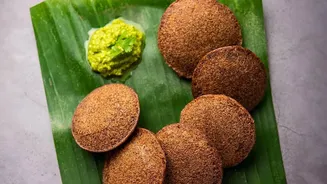
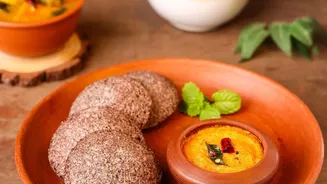
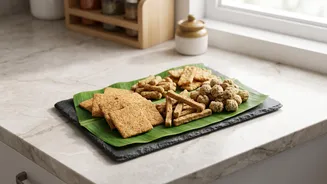
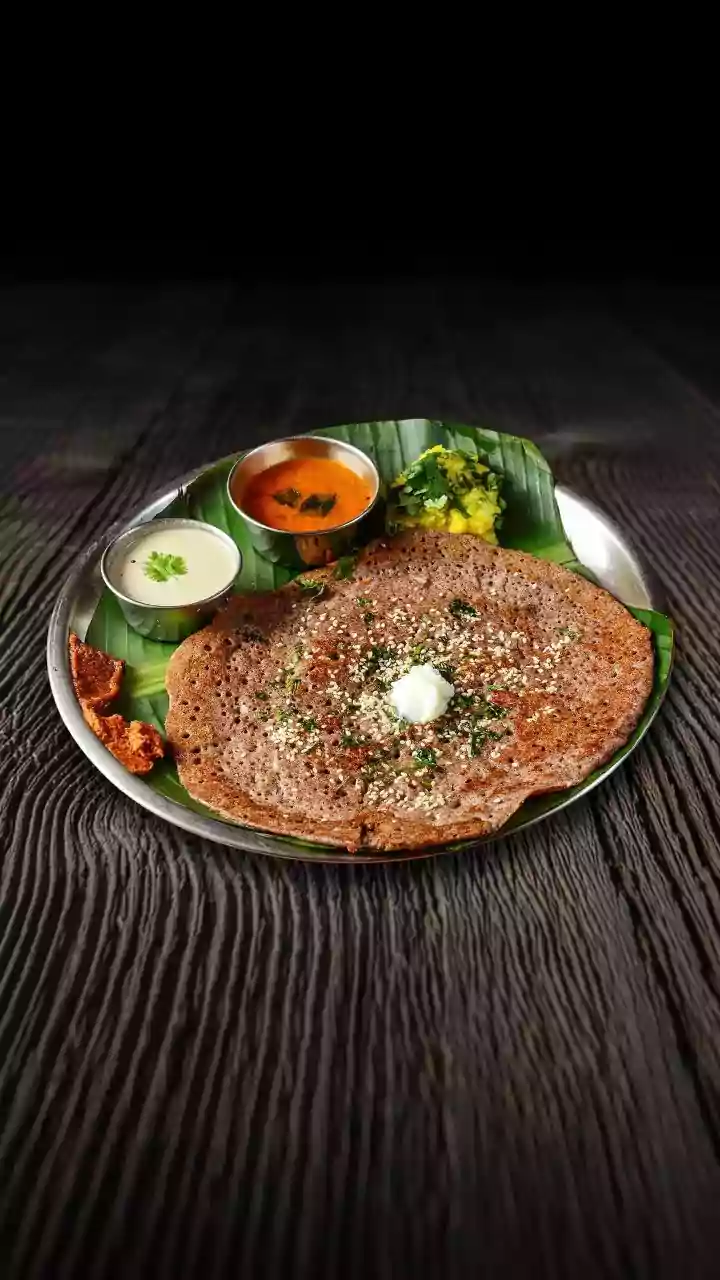
Food innovators and health-conscious brands across India are now creating exciting versions of classic savouries using these heritage grains. Imagine crispy, delicious chakli, nippatu, and kodbale made from a blend of Kodo millet and rice flour instead of just refined flour. Companies are launching modern snacks like ragi sticks and foxtail millet nachos, proving that healthy can be flavourful. Even home cooking is seeing a revival, with recipes for millet bhel, sama ke chawal tikkis, and jowar-crust samosas gaining popularity. These innovations allow you to enjoy the same spicy, savoury, and crunchy textures you crave, but in a form that supports your health.
Benefits Beyond Blood Sugar
The advantages of switching to millet-based savouries extend well beyond glycaemic control. A low-GI diet is associated with a host of health benefits, including better weight management, reduced risk of heart disease, and improved energy levels. The high fibre content in millets promotes digestive health and increases satiety, which can help prevent overeating. The abundance of minerals like magnesium and iron supports overall bodily functions, from bone health to combating fatigue. By making this simple switch, you are not just managing your blood sugar; you are adopting a holistically healthier way of snacking that nourishes your body from the inside out.