




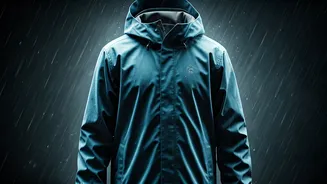



The Unforgettable Misery of Wet Denim
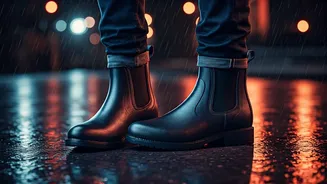
There are few fashion experiences more universally dreaded than being stuck in wet denim. One minute you’re enjoying your day, the next you’re caught in an unexpected shower. Your trusty jeans, a staple of modern wardrobes, instantly transform into a cold,
heavy burden. They cling uncomfortably, restrict your movement, and seem to take an eternity to dry. This isn't just a feeling; it's a fabric flaw. Denim is traditionally made from cotton, a material known for its tight, dense weave. While durable, this structure makes it a poor choice for wet conditions. It becomes incredibly heavy when saturated, and the thick seams can cause painful chafing against damp skin. The result is a prolonged state of damp, chilly discomfort that can ruin an otherwise perfect day, especially during India's monsoon season.
Why Cotton Is the Culprit
The problem with denim lies in its primary component: cotton. Cotton is a hydrophilic fibre, which means it loves water. It absorbs and holds onto moisture instead of repelling it. While this can make it feel soft and breathable in dry conditions, it becomes a liability when wet. A wet cotton garment loses its insulating properties, which is why you feel so cold. Instead of keeping you warm, the fabric holds the cold water against your skin. Furthermore, cotton is notoriously slow to dry because it traps water within its fibres. This is why a pair of jeans can still feel damp hours after a rain shower, long after other clothes have dried.
The Science of a Speedy Escape: Quick-Dry Fabrics
The solution to this soggy saga lies in fabrics engineered for performance. Quick-dry materials, often synthetics like polyester and nylon, are hydrophobic—they are designed to resist the penetration of water. Their magic lies in a process called “moisture-wicking.” Instead of absorbing sweat or rain, these fabrics use capillary action to pull moisture away from your skin and transport it to the fabric's outer surface. Once on the surface, the moisture spreads out, allowing it to evaporate much more quickly. The result is that you stay drier and more comfortable, as the fabric doesn't feel saturated and sticky against your skin. Some quick-dry fabrics can dry up to 50% faster than cotton.
Your New Wardrobe Heroes: What to Look For
Making the switch to quick-dry fabrics doesn't mean you have to live in athletic wear. Many modern materials offer both style and function. Here are a few to look for: * **Polyester:** This is the workhorse of quick-dry clothing. It's durable, wrinkle-resistant, and excellent at wicking moisture. Modern polyester blends are soft and a far cry from the stiff fabrics of the past. * **Nylon:** Known for its strength and lightness, nylon is another fantastic quick-drying option that’s resistant to abrasion and mildew. * **Rayon and Modal:** These semi-synthetic fibres, made from cellulose, offer the comfort of natural materials but dry significantly faster than cotton. They are lightweight, have a smooth feel, and drape beautifully, making them perfect for stylish kurtas and blouses. * **Merino Wool:** Don't let the word "wool" fool you. Merino wool is a natural fibre that is surprisingly brilliant at moisture management. It can absorb some moisture while still wicking it away from the skin, and it has the added benefit of being naturally odour-resistant. * **Chambray:** If you love the look of denim, chambray is your best friend. It's a lightweight fabric that offers a similar rugged aesthetic but is more breathable and dries much faster.
Beyond the Gym: Stylish Swaps for Every Occasion
The beauty of today's textile innovation is that you don't have to sacrifice style for comfort. Quick-dry fabrics have moved far beyond the realm of hiking and running gear. Brands now offer a wide array of chic and versatile travel pants, joggers, and chinos that look smart enough for a city outing but perform like activewear. You can find everything from tailored trousers in technical fabrics to elegant blouses made from polyester-crepe blends that resist water and wrinkles. For travellers, packing a few key pieces made from these materials is a game-changer. They are lightweight, take up less space, and can be washed in a hotel sink and be dry by morning.