

The classic South Indian breakfast is a beloved ritual, but it's often heavy on refined carbohydrates. This can lead to a quick energy spike followed by a slump. Here’s how you can tweak your favourites to create a more balanced, nutritious start.
Understanding the Carb-Heavy Classics
A traditional
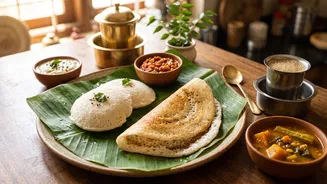
breakfast of soft idlis, crisp dosas, or fluffy upma is undeniably delicious. However, these dishes are typically made from polished white rice or semolina (rava), which are simple carbohydrates. While they provide quick energy, they can cause a rapid rise in blood sugar levels. The common 4:1 ratio of rice to dal in many batters means you get significantly more carbs than protein. But balancing your breakfast doesn't mean giving up these cultural staples; it’s about making them work better for your health and sustained energy.
Swap Your Grains for a Better Base
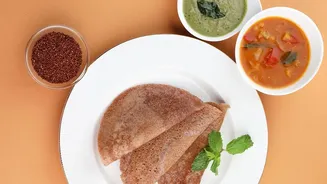
One of the most effective changes is to replace or supplement the white rice and rava. Millets like ragi (finger millet), foxtail millet, barnyard millet, and kodo millet are excellent, nutrient-dense alternatives. They are packed with fibre, which slows digestion and helps manage blood sugar. You can create idli/dosa batter by substituting half or all of the rice with a mix of millets. Similarly, making upma with oats or quinoa instead of suji increases both fibre and protein content. Even using mixed-dal batters for dosa or cheela can significantly shift the carb-to-protein ratio.
Power Up with Protein
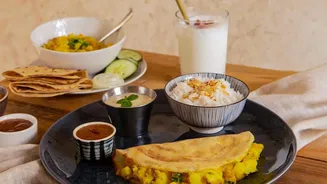
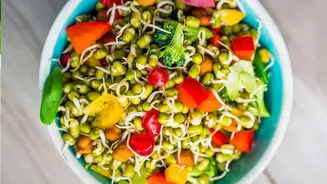
Protein is key to feeling full and maintaining steady energy. Most adults benefit from 15 to 25 grams of protein at breakfast. Traditional South Indian breakfasts often lack sufficient protein, but it's easy to add. Aim to include a dedicated protein source with your meal. A larger serving of sambar, which is rich in lentils, is a great start. You can also serve your idli or dosa with a side of paneer bhurji, a boiled egg masala, or a sprout salad. Adding paneer, tofu, or cooked dal directly into your upma or stuffing it into a dosa are other simple yet effective strategies.
Fill Up on Fibre with Vegetables
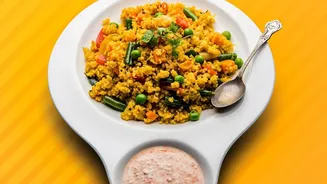
Fibre helps slow the absorption of carbohydrates and keeps you feeling satisfied for longer. The easiest way to boost your fibre intake is by adding more vegetables. Make your sambar with plenty of drumsticks, carrots, and pumpkin. Grate carrots, cabbage, or bottle gourd (lauki) directly into your idli or dosa batter. A vegetable uthappam is a classic example of this principle in action. When making upma, be generous with peas, carrots, and beans to not only add fibre but also valuable vitamins and minerals. Eating a simple salad or some vegetable sticks alongside your breakfast is another great habit.
Mind Your Accompaniments
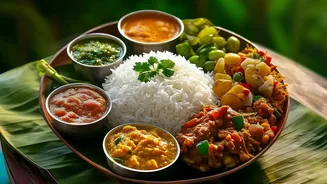
The chutneys and side dishes you choose can make a big difference. While coconut chutney is a classic, it can be high in fat. Balance it with other options like mint-coriander chutney, tomato chutney, or a chutney made from roasted dals or peanuts, which adds extra protein. Sambar is your best friend when it comes to balancing a meal; its combination of lentils (protein) and vegetables (fibre) slows down carb digestion. A bowl of plain curd or a glass of buttermilk can also add a dose of protein and probiotics to your meal.
Practice Portion Control
Even with healthier ingredients, portion size matters. Instead of having four or five rice-based idlis, consider having two millet idlis with a large bowl of sambar and a side of sprouts. The goal is to shift the balance on your plate. Aim for your plate to be roughly half vegetables and protein (from sambar, eggs, or paneer), and half carbohydrates from your idli or dosa. This visual cue helps ensure you’re getting a more balanced mix of nutrients without having to count every gram.