



From Long Haul to Weekend Trip
Not long ago, a trip to a national park from a major metro like Delhi or Mumbai was a significant undertaking. It often involved an overnight train journey followed by a long, tiring road trip, consuming the better part of a day each way. This logistical
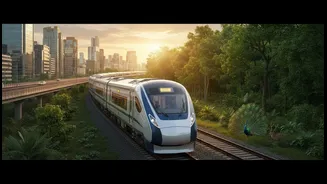
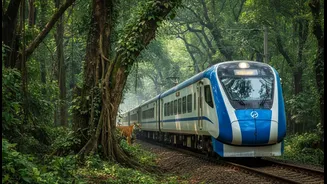
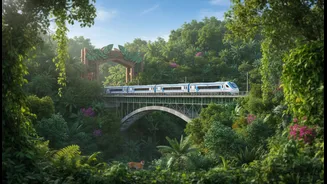
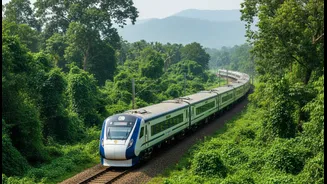
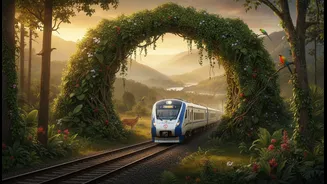
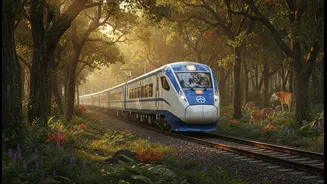
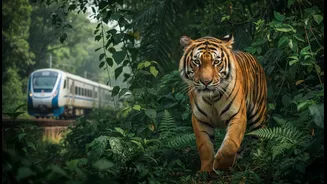
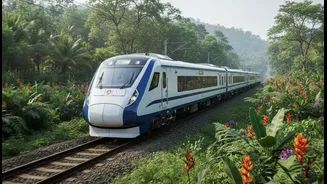
challenge meant that wildlife holidays were typically planned weeks or months in advance and required a substantial time commitment. The Vande Bharat network has fundamentally altered this equation. These semi-high-speed trains, known for their comfort and reduced travel times, are bringing some of India's most celebrated wildlife sanctuaries within easy reach of urban centres. A journey that once took the better part of a day can now be completed in a matter of hours, making spontaneous weekend trips a tangible reality for city dwellers.
Key Sanctuaries Now on the Fast Track
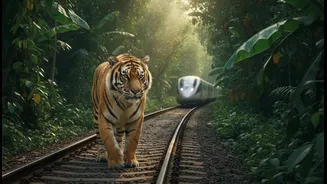
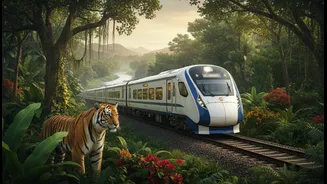
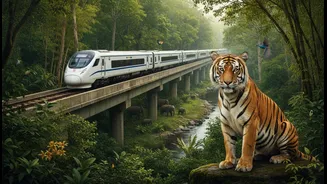
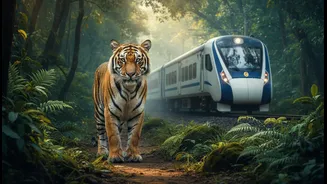
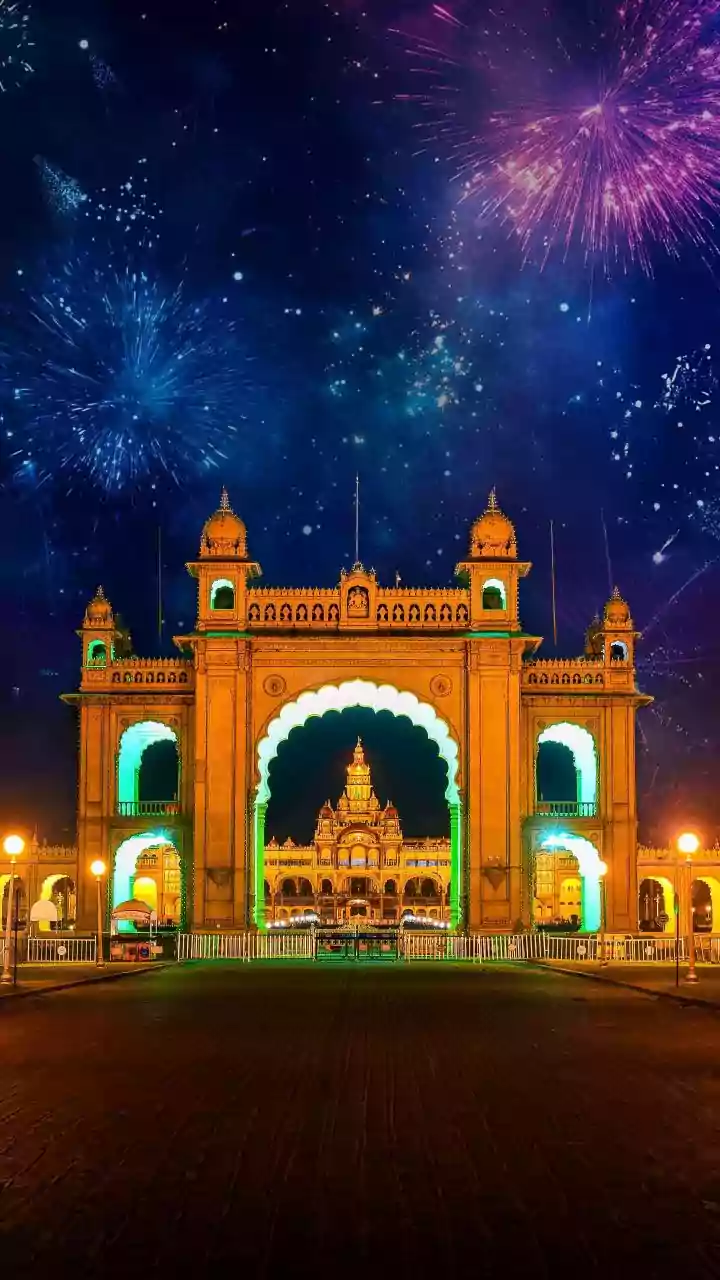
Several key Vande Bharat routes have become gateways to the wild. For tiger enthusiasts in the capital, the journey to Ranthambore National Park in Rajasthan has been transformed. The train to Sawai Madhopur, the park's gateway town, significantly cuts down travel time, making it possible to leave Delhi in the morning and be ready for an evening safari. The station is just a 20-30 minute drive from the park's entrance. Similarly, for those wanting to see the world's only natural habitat of the Asiatic lion, the Sabarmati-Veraval Vande Bharat Express provides easy access to Gir National Park in Gujarat. From Veraval station, Sasan Gir is only 45 km away. In the south, the Chennai-Mysuru Vande Bharat connects travellers to Mysuru, from where Bandipur National Park is a scenic two-hour drive. In the Northeast, while the journey is longer, the Vande Bharat to Guwahati makes Kaziranga National Park more accessible, with a subsequent four-to-five-hour road trip to the UNESCO World Heritage site.
More Than Just Speed
The change isn't just about speed; it's about the quality of the journey. The Vande Bharat's premium, climate-controlled interiors, and smoother ride offer a stark contrast to the often gruelling nature of previous travel options. This level of comfort makes the journey appealing to a broader demographic, including families with young children and older travellers who might have been deterred by a strenuous trip. The onboard amenities also mean that the holiday effectively begins the moment you board the train. This improved accessibility is prompting a shift in how people perceive domestic travel, encouraging more frequent, shorter breaks to explore the nation's natural heritage instead of automatically looking at flights for a quick getaway.
A New Conversation on Sustainable Tourism
This newfound ease of access inevitably changes the conversation around tourism management and sustainability. While the economic benefits for local communities are significant, with an expected influx of tourists boosting hotels, transport providers, and guides, there are also challenges to consider. The increased footfall puts pressure on the delicate ecosystems of these national parks. It raises important questions about carrying capacity and the risk of overcrowding, which can disturb wildlife and diminish the visitor experience. Park authorities and local governments now face the critical task of managing this new wave of tourism responsibly. This includes investing in better infrastructure, implementing stricter regulations to protect the environment, and promoting eco-friendly practices among both tourists and service providers. The convenience of the Vande Bharat must be matched with a commitment to conservation to ensure these natural treasures are preserved for generations to come.