







The New Stars of the Dairy Aisle
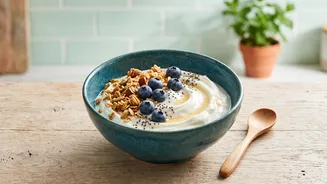
The dairy section in urban India is undergoing a quiet revolution. Traditional staples are being joined by a new class of products specifically formulated and marketed for their high protein content. Tubs of thick Greek yogurt, which offer more protein per
serving than traditional dahi, have become increasingly common. Paneer, a perennial favourite, is now available in high-protein versions. Even liquid milk is getting a functional makeover, with brands launching options fortified with extra protein. This 'proteinisation' of dairy is a direct response to a growing consumer demand for more nutritional value from everyday foods. Whey, once just a byproduct of cheese production, is now a prized ingredient, driving companies to expand their processing capabilities to meet the demand from the fitness and wellness sectors.
Driven by a Wellness Wave
This trend isn't happening in a vacuum. It’s closely tied to a larger health and wellness movement sweeping across urban India. Post-pandemic, there has been a significant increase in nutritional awareness, with protein shifting from a niche concern for bodybuilders to a mainstream requirement for overall health. Consumers, particularly young professionals and millennials in cities, are more conscious of their macronutrient intake than ever before. Yet, despite this awareness, studies show that a significant portion of the urban population remains protein-deficient, often due to diets heavy in carbohydrates. This growing understanding of protein's role in everything from muscle health to immunity has created a fertile market for products that make it easy and convenient to boost daily intake.
From Traditional to Trendy
What makes this shift particularly interesting is how it builds on existing dietary habits. India is the world's largest producer and consumer of milk, and dairy products like curd and paneer are already deeply integrated into the national diet. Companies aren't necessarily introducing entirely new food categories; instead, they are repositioning familiar products as functional foods. A serving of paneer or a bowl of curd can now be framed as a step towards meeting one's daily protein goals. This makes the transition easier for consumers. Simultaneously, the rise of quick-commerce platforms has made it simpler for people to experiment with newer formats like Greek yogurt or protein-fortified beverages, with some platforms seeing orders for protein yogurt surge by nearly 280%.
How the Industry Is Responding
India’s dairy industry has taken notice, recognizing a major opportunity to move from a volume-driven business to one focused on higher-margin, value-added products. Converting milk into protein derivatives like cheese, whey, and Greek yogurt can deliver significantly higher returns than selling plain liquid milk. Major players like Amul, Mother Dairy, and Nestlé, as well as newer companies like Milky Mist and Godrej Jersey, are investing heavily in this space. This includes building new plants to process whey and cheese, launching new product lines, and acquiring startups that specialize in the health food market. The Indian milk protein market is projected to grow substantially, with some estimates suggesting it could reach over USD 400 million by 2034, reflecting the industry's long-term bet on this consumer trend.