


Why Core Stabilization Matters
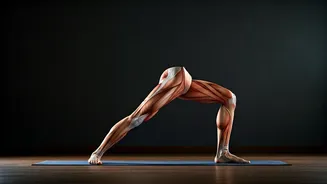
Before diving into the pose, it's important to understand what we mean by 'core.' It isn't just about the six-pack muscles; it's a complex system of deep muscles in your abdomen, back, and hips. These muscles work together to stabilize the spine and pelvis.
Strong core stabilization improves your balance, reduces the risk of back pain and injury, and enhances your posture. Every movement, from walking to lifting groceries, originates from or is supported by your core. A stable core provides a solid base for all other movements, making them more powerful and efficient.
Introducing Warrior Three (Virabhadrasana III)
Warrior Three, or Virabhadrasana III in Sanskrit, is a powerful standing balance pose that demands full-body strength, focus, and stability. It requires you to balance on one leg while extending the other leg straight behind you, creating a 'T' shape with your body parallel to the floor. This posture is exceptionally effective for core stabilization because it forces the deep abdominal and back muscles to engage deeply to maintain balance and alignment. It's a true test of strength and concentration, strengthening not just the core but also the ankles, legs, shoulders, and back.
A Step-by-Step Guide to the Pose
Approaching Warrior Three with mindfulness is key. It's often entered from a High Lunge or Mountain Pose.1. Start by standing in Mountain Pose (Tadasana) at the top of your mat. Find a fixed point on the floor in front of you to gaze at, which will help with balance.2. Shift your weight onto your right foot, keeping a slight micro-bend in the knee to avoid locking the joint.3. On an exhale, begin to hinge forward from your hips. As your torso lowers, simultaneously lift your left leg straight behind you.4. Continue to move as one unit until your torso and lifted leg are parallel to the floor. Your body should form a straight line from the crown of your head to your left heel.5. Extend your arms forward, parallel to each other and alongside your ears, for the classic expression of the pose. For more stability, you can bring your arms out to the sides like airplane wings or place your hands at your heart.6. Hold for 5 to 10 breaths, keeping your core engaged and your breath steady. To exit, slowly and with control, lower your back leg and return to standing. Repeat on the other side.
Common Mistakes to Avoid
Proper alignment is crucial for reaping the benefits and preventing injury. Here are common mistakes to watch for:- **Opening the Hips:** There is a tendency for the hip of the lifted leg to rise. Actively work to keep both hips square and pointing down toward the mat.- **Locking the Standing Knee:** Avoid hyperextending the knee of your standing leg. A slight bend protects the joint and engages the leg muscles for better support.- **Collapsing the Chest:** Keep the spine long and the chest lifted rather than rounding down.- **Holding Your Breath:** Balance requires focus, but don't forget to breathe. A steady breath promotes calm and stability.
Modifications for Every Level
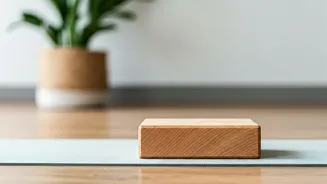
Warrior Three is a challenging pose, but it can be adapted for all experience levels. If you're a beginner or find balance difficult, don't be discouraged. Try these modifications:- **Use a Wall or Chair:** Place your hands on a wall or the back of a sturdy chair for support as you practice the alignment. This removes the balance challenge so you can focus on building strength and proper form.- **Use Yoga Blocks:** Placing blocks under your hands can provide support and help you maintain a long spine.- **Adjust Arm Position:** Keeping hands at your heart or extending them out to the sides like airplane wings can be more stable than reaching them forward.- **Lower the Lifted Leg:** You don't need to get your leg perfectly parallel to the floor right away. Lift it only as high as you can while maintaining good form.