



What is This Secret Saboteur?
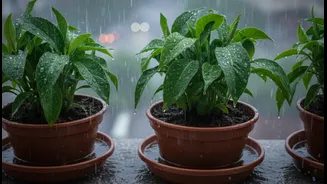
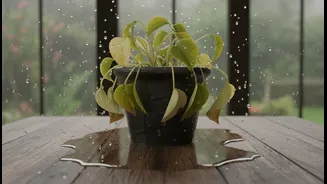
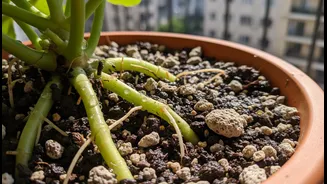
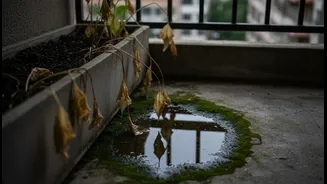
Root rot is exactly what it sounds like: a disease where a plant's roots decay. It's primarily caused by fungi and bacteria that flourish in waterlogged soil. During the rainy season, our pots can easily become oversaturated, either from direct rain or
our own unchanged watering habits. This excess water pushes out the oxygen in the soil, effectively suffocating the roots. Once weakened, roots become an easy target for these opportunistic pathogens, which start to multiply and cause decay. The damage happens below the surface, so by the time we notice something is wrong, the problem can be quite advanced.
Spotting the Signs of Trouble
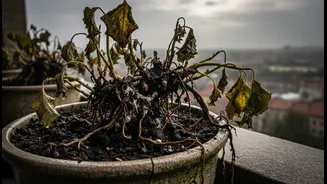
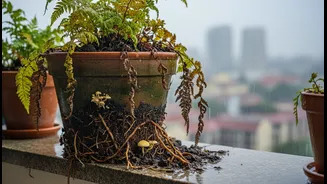
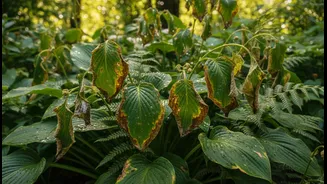
Since root rot starts underground, the first signs are often mistaken for other issues. One of the most telling clues is a plant that looks thirsty—with wilting, drooping leaves—even when the soil is wet. This happens because the rotting roots can no longer absorb water and nutrients to send to the rest of the plant. You might also notice yellowing leaves, particularly the lower ones, stunted growth, or a general lack of vigour. The most definitive signs, however, require a closer inspection. If you gently ease the plant out of its pot, you'll know you have a problem. Healthy roots are typically firm and whitish, while rotting roots will be brown or black, feel mushy to the touch, and may have a distinct, unpleasant smell like rotten eggs or a swamp.
The Golden Rules of Prevention
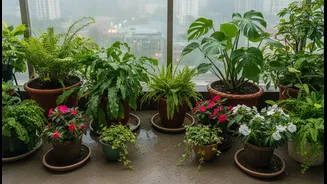
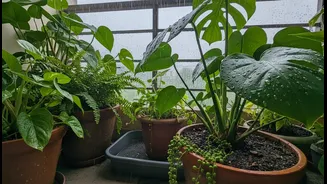
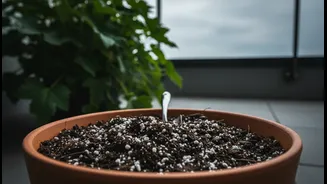
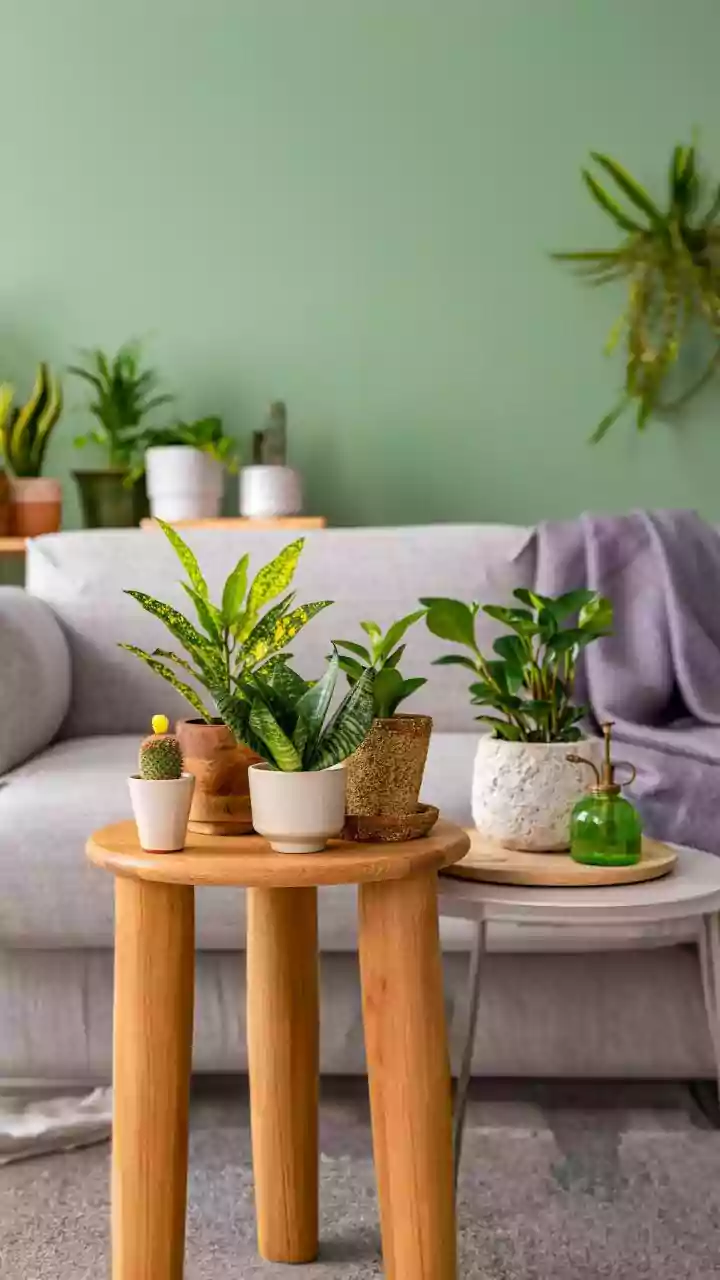
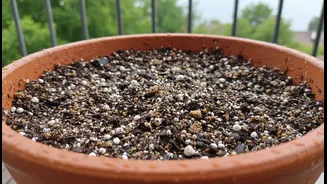
The best way to defeat this villain is to ensure it never gets a foothold. Prevention is all about creating an environment where roots can breathe. First, check your pots. Every single pot on your balcony must have drainage holes—no exceptions. If your decorative pots lack holes, use them as cachepots (outer containers) and place your plant in a functional plastic pot inside, making sure to empty any collected water from the saucer. Elevating pots on feet or bricks can also improve airflow and drainage. Second, rethink your soil. Standard garden soil is too dense for containers and will compact, leading to waterlogging. Instead, use a high-quality potting mix designed for containers, which typically includes ingredients like coco coir, perlite, or vermiculite to keep it light and airy. Finally, adjust your watering schedule. During the monsoon, plants need far less water from you. Always check the soil by sticking your finger two inches deep; if it feels damp, wait a few more days before watering.
Emergency Rescue for an Ailing Plant
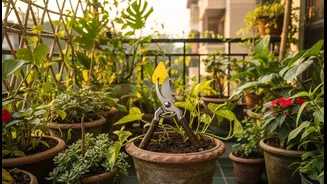
If you’ve confirmed a case of root rot, don't despair. If caught early enough, many plants can be saved. You'll need to perform a little plant surgery. Gently remove the plant from its pot and wash away all the old soil from the roots. Now, inspect the root system. Using a clean, sterilised pair of scissors or shears, carefully trim away all the brown, black, and mushy roots. Be ruthless; any diseased root left behind can cause the rot to return. You need to cut back until you see only healthy, firm, white root tissue. If you've had to remove a significant portion of the roots, it's a good idea to also prune back about a third of the plant's leaves. This reduces the stress on the smaller root system, which now has less foliage to support. Finally, repot the plant in a clean pot with completely fresh, well-draining potting mix. Water it lightly just to settle the soil, and place it in a spot with good indirect light as it recovers.