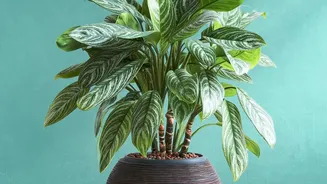




The Plant Promise vs. Reality
The belief that houseplants scrub the air clean largely stems from a 1989 NASA study. It found that in a sealed, controlled chamber, certain plants could remove volatile organic compounds (VOCs) like benzene and formaldehyde from the air. This was exciting
news, especially for creating clean air in enclosed environments like space stations. However, our homes are not sealed chambers. Subsequent research has shown that to replicate NASA's results in a typical room, you would need an enormous and impractical number of plants—some studies estimate between 10 and 1,000 plants per square metre of floor space. While plants are fantastic for our well-being and aesthetics, their air-purifying effect in a standard home is actually negligible compared to other factors.
The Real Culprits: Sources of Indoor Pollution
If plants aren't the solution, what is the problem? Indoor air can often be more polluted than outdoor air because contaminants get trapped. These pollutants come from everyday sources. Cooking, especially with gas stoves, releases particulate matter and nitrogen dioxide. Cleaning products, air fresheners, paints, and even new furniture can off-gas VOCs. Other common culprits include dust, pet dander, mould from excess humidity, and secondhand smoke. These particles and chemicals can irritate our respiratory systems, trigger allergies, and lead to other health concerns over time.
The Power of Ventilation
The single most effective habit for improving indoor air quality is simple: ventilation. Diluting and removing indoor pollutants by bringing in fresh outdoor air is far more efficient than any houseplant. Make it a habit to open windows on opposite sides of your home for 10-15 minutes each day to create a cross-breeze and flush out stale air. When cooking or showering, always use your exhaust fans to vent moisture and fumes directly outside. Of course, if outdoor air quality is poor due to high pollution or pollen counts, it's better to keep windows closed and rely on other methods.
Develop Clean Air Habits
Beyond ventilation, several small, consistent habits can make a huge difference. Managing dust is key, as it's a catch-all for allergens and particles. Dust with a damp or microfiber cloth that traps particles instead of just moving them around. When you vacuum, use a machine with a HEPA filter, which is designed to capture tiny, harmful particles rather than recirculating them into the air. It is also a good practice to leave shoes at the door to avoid tracking in outdoor pollutants.
Mindful Choices for Your Home
The products you bring into your home also play a role. When painting or buying new furniture, look for low-VOC or VOC-free options to reduce chemical off-gassing. Be mindful of scented products like candles and air fresheners, which can release particulate matter and chemicals. Finally, control humidity to prevent the growth of mould and mildew, which release spores into the air. Aim to keep indoor humidity between 30% and 50% by fixing leaks promptly and using dehumidifiers in damp areas if necessary.