


Why New Suits for a New Destination
Humanity is preparing to return to the Moon, but this time the destination is far more challenging than the flat, equatorial plains visited by the Apollo missions. NASA's Artemis program is targeting the lunar south pole, a region of scientific promise
and extreme environmental challenges. This area is defined by rugged, heavily cratered landscapes, steep slopes, and dramatic, low-angle sunlight that casts long, dark shadows. Exploring permanently shadowed craters, which may hold water ice, requires navigating these treacherous conditions. The stiff spacesuits of the past, which famously forced Apollo astronauts into a sort of 'bunny hop', simply aren't up to the task. For the complex scientific work planned for Artemis, a new generation of suit was needed, one that prioritizes mobility and dexterity.
Meet the AxEMU: A Leap in Mobility
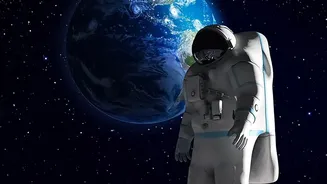
Enter the Axiom Extravehicular Mobility Unit, or AxEMU. Developed by the commercial company Axiom Space under a contract with NASA, this next-generation suit is a marvel of engineering designed for flexibility. Unlike its predecessors, the AxEMU incorporates advanced bearings and joints in the lower torso, legs, and waist. This allows astronauts a far greater range of motion, enabling them to walk naturally, kneel, squat, and even bend down to pick up geological samples with ease. The cumbersome rear-entry system of older suits has been replaced, and the new design can accommodate a much wider range of astronaut body types. This enhanced mobility is not just about comfort; it's a critical safety and mission-success feature for navigating the uneven lunar terrain.
Built for the Extremes of the South Pole
The AxEMU is more than just flexible; it's a fortress designed to protect astronauts from one of the harshest environments imaginable. The lunar south pole features extreme temperature swings, with permanently shadowed regions plunging to temperatures as low as -203 degrees Celsius. The AxEMU is built to withstand these frigid conditions for hours at a time. It also provides enhanced protection against the sharp, abrasive lunar dust that can damage equipment. The helmet features advanced coatings and a high-definition video camera, improving an astronaut's view in the tricky lighting conditions. With life support systems capable of lasting up to eight hours, plus a reserve, the suit will allow for longer and more productive scientific expeditions on the surface.
A New Business Model for Space
The development of the AxEMU also signifies a major shift in how NASA does business. Instead of owning the spacesuits outright, the agency is purchasing services from private industry partners like Axiom Space. Axiom was awarded a task order worth $228.5 million to design, build, and test the suits for the Artemis III mission. This approach is part of a broader strategy to foster a commercial space economy, allowing private companies to innovate while NASA focuses on its core exploration goals. Axiom Space will provide the suits and all the necessary support, from training to real-time operations. This commercial model, which has a potential value of up to $3.5 billion through 2034, is intended to deliver better and safer technologies over time through competition and continuous development.