







The Rise of the Balcony Oasis
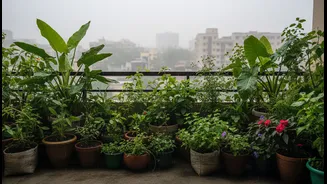
Across India’s cities, a quiet green revolution is taking place on balconies, windowsills, and terraces. More than just a hobby, creating these green nooks has become a way for urban residents, particularly renters in compact apartments, to reconnect
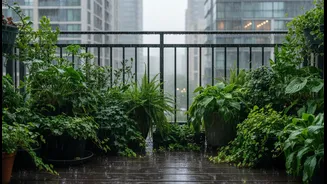
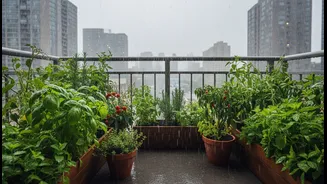
with nature. The desire for fresh, pesticide-free produce, coupled with a growing focus on wellness and sustainable living, has fuelled this trend. A small garden offers a tranquil escape from city life, with studies showing that interacting with plants can reduce stress. Balconies provide a perfect, manageable canvas for this, allowing people to grow food and flowers even without a traditional backyard. The monsoon season, with its cooler temperatures and natural irrigation, makes it the ideal time to start.
Why the Monsoon Is a Gardener's Best Friend
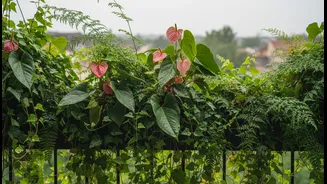
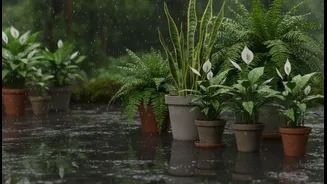
If summer is about survival, the monsoon is about thriving. The rainy season creates near-perfect growing conditions. Rainwater is naturally soft and free from the salts found in tap water, which helps clean dust from leaves and improve nutrient absorption. The consistent moisture keeps soil damp, reducing the daily chore of watering. High humidity and moderate temperatures between 20°C and 30°C encourage faster seed germination and vigorous growth, especially for tropical foliage plants like ferns, philodendrons, and money plants, which see an explosion of new leaves. This period is also excellent for propagation, as cuttings root more easily in the moist environment.
Getting Your Monsoon Garden Started
Starting a balcony garden is easier than it seems, but success during the monsoon hinges on one critical factor: drainage. Heavy rain can quickly waterlog pots, suffocating roots and leading to rot. To prevent this, ensure every container has clear drainage holes. Elevating pots on stands or even bricks can help excess water escape. Using a light, porous potting mix—a combination of garden soil, compost, and coco peat—is crucial for preventing soil compaction. For small spaces, think vertically. Railing planters, hanging baskets, and tiered stands maximize your growing area without cluttering the floor.
What to Plant Right Now
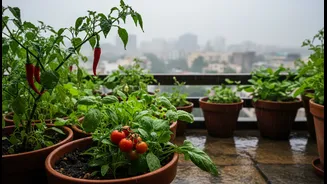
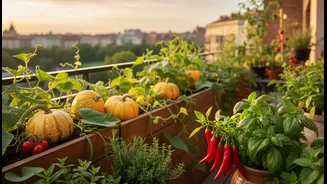
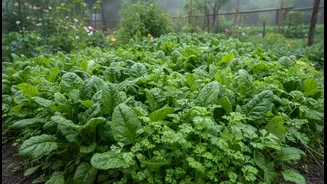
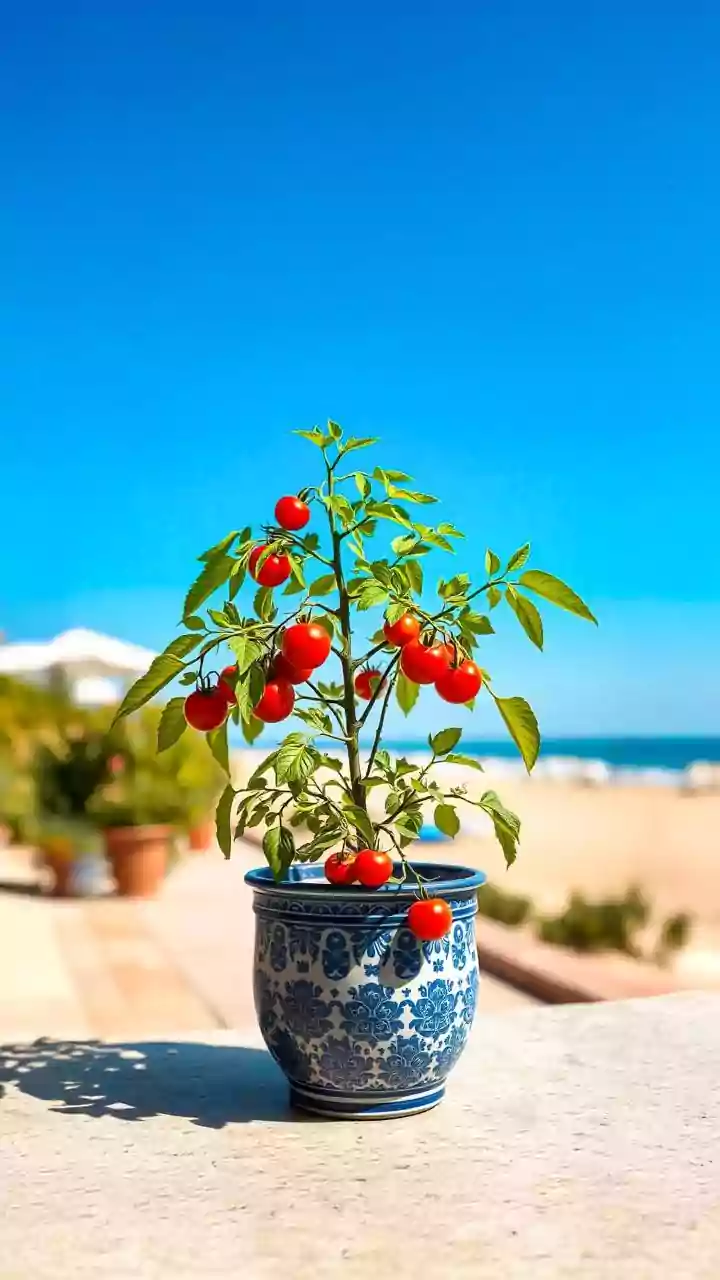
The monsoon is the perfect time to grow a variety of vegetables, herbs, and flowers. Many Indian vegetables thrive in these conditions. Gourds like lauki (bottle gourd) and karela (bitter gourd) grow vigorously, though they need a trellis for support. Okra (bhindi), green chillies, brinjal, and cherry tomatoes are excellent choices for pots and grow bags. Leafy greens such as spinach and amaranth germinate quickly in the damp soil. Herbs are particularly rewarding, with mint, holy basil (tulsi), and lemongrass flourishing in the moist air and providing fresh flavours for your kitchen. For a splash of colour, monsoon-blooming flowers like balsam, hibiscus, and rain lilies are fantastic additions.
Navigating Common Monsoon Challenges
While the monsoon is beneficial, it's not without its challenges. The biggest mistake is assuming plants don't need any attention. Overwatering is a major risk; always check if the top inch of soil is dry before watering manually, as not all pots receive the same amount of rain, especially on a covered balcony. High humidity can also encourage fungal diseases like powdery mildew. Ensure good air circulation by not overcrowding your plants. Regularly check for pests and apply a simple neem oil solution every 10-14 days as a preventive measure. Finally, remember to prune any broken or damaged stems to reduce the risk of disease and encourage healthy new growth.