




The Joy of a Monsoon Garden
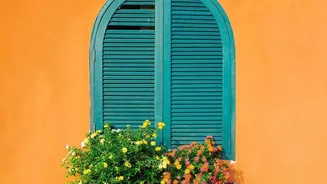
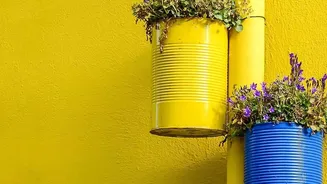
Across India's bustling cities, from Mumbai to Bengaluru, a quiet revolution is taking place on high-rise balconies and small terraces. The arrival of the monsoon no longer just means seeking shelter from the rain; it's an invitation to garden. Urban
residents are embracing the season's natural humidity and cooler temperatures to cultivate their own green sanctuaries. This trend is about more than just aesthetics; it's a way to connect with nature, reduce stress, and find joy in the simple act of watching something grow. The petrichor scent mixed with the fragrance of fresh blooms is a reward that many are finding too good to resist.
Why the Rainy Season is Ideal
The monsoon is nature's own nurturing hand for gardeners. The consistent moisture reduces the chore of daily watering, while the high humidity helps new plants establish themselves with less shock. Rainwater itself is slightly acidic and nitrogen-rich, which is beneficial for plant growth, helping to clean dust off leaves and boost photosynthesis. While the season offers perfect growing conditions, it also comes with challenges like waterlogging and fungal diseases. However, with a few smart preparations, you can harness the best of the monsoon and avoid its pitfalls, making it the most rewarding time of the year to exercise your green thumb.
Essential Balcony Prep
Success in monsoon gardening starts with the right setup. The single most important factor is drainage. Heavy rains can quickly lead to root rot if water has nowhere to go. Ensure every pot has clear drainage holes at the bottom. It's a good practice to elevate your pots on stands or bricks to allow excess water to escape freely. Use a light, well-draining soil mix; a combination of garden soil, cocopeat, and compost is ideal. Avoid heavy clay soils that retain too much moisture. Finally, remember to empty any saucers under your pots after it rains to prevent them from becoming breeding grounds for mosquitoes.
Balsam (Gul Mehndi)
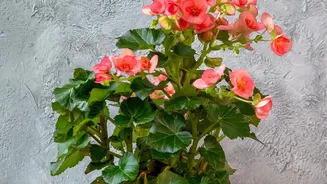
Often called the quintessential Indian monsoon annual, Balsam is incredibly easy to grow and bursts into a profusion of flowers. Its blooms come in shades of pink, purple, red, and white, adding a vibrant splash of colour to any balcony. Balsam thrives in the moist conditions of the rainy season and doesn't demand much attention. Simply sow the seeds in a pot in early June, and by July or August, you’ll have a lush, flowering plant. It prefers a spot with partial sunlight and will continue to bloom generously throughout the season.
Marigold (Genda)
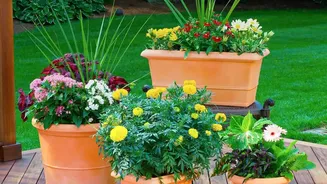
A staple in Indian households for festive and religious purposes, the cheerful marigold is also a fantastic monsoon flower. These hardy plants bloom profusely in bright orange and yellow hues, lighting up even the greyest rainy day. Marigolds are not only easy to grow but also act as a natural pest repellent, protecting other plants in your garden. They require well-draining soil and moderate sunlight to flourish. Regular deadheading—pinching off spent flowers—will encourage the plant to produce more blooms all through the season.
Rain Lily (Zephyranthes)
As its name suggests, the Rain Lily is a magical monsoon plant. These bulbs often lie dormant during the dry summer months and then, almost overnight, send up delicate, beautiful flowers after the first few showers. Available in white, pink, and yellow, they are incredibly low-maintenance and perfect for beginner gardeners. Plant the bulbs in pots and place them in a spot that receives sunlight. They require very little care and will surprise you with their sudden, elegant blooms repeatedly during the rains.
Periwinkle (Sadabahar)
True to its Hindi name 'Sadabahar', which means 'ever-blooming', the Periwinkle is one of the most reliable flowering plants for the Indian climate. It is exceptionally tolerant of heavy rain and blooms continuously with minimal care, making it ideal for busy city dwellers. Its glossy leaves and star-shaped flowers, typically in shades of pink and white, provide consistent colour. Periwinkle thrives in well-draining soil and can handle a range of sun exposures, from full sun to partial shade.
Hibiscus (Gudhal)
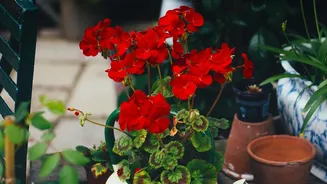
While Hibiscus can bloom for much of the year, the monsoon season encourages even more vigorous and abundant flowering. The large, trumpet-shaped blossoms in vibrant reds, pinks, and yellows bring a lush, tropical feel to any balcony. These plants love the humidity and moisture of the rainy season. Ensure your pot has excellent drainage and place it where it can receive at least a few hours of sunlight. Regular pruning after a bloom cycle will help maintain its shape and promote even more flowers.