







China's Multi-Faceted Space Offensive
China is set to have an exceptionally busy year in space. The China National Space Administration (CNSA) has outlined an intensive schedule for 2026, showcasing its rapidly growing capabilities. A key highlight is the Tianwen-2 mission, which will approach
its target asteroid for close-range exploration and sample return. Alongside this deep-space endeavor, China will continue its robust presence in low-Earth orbit with crewed missions like Shenzhou-23 to its Tiangong space station. One of the Shenzhou-23 astronauts is expected to undertake a year-long stay in orbit, pushing the limits of human endurance in space. The country is also advancing its lunar ambitions with the Chang'e-7 mission, planned to launch late in the year to explore the moon's south pole for resources like water ice. Furthermore, China is making significant strides in reusable rocket technology, with multiple flight verification tests planned, signaling a major push into the commercial launch sector.
The Dawn of Commercial Space Stations
While government agencies push farther into the solar system, private industry is focused on building new destinations in our cosmic backyard. With the International Space Station (ISS) scheduled for retirement around 2030, 2026 is a critical year for its commercial successors. California-based company Vast plans to launch Haven-1, intended to be the world's first commercial space station module, aboard a SpaceX Falcon 9 rocket. The first crewed mission to this private habitat could follow shortly after launch. This marks a crucial step in NASA's strategy to transition from being an owner-operator in low-Earth orbit to a customer of commercial services. The success or failure of these initial private stations will heavily influence the future of research, manufacturing, and tourism in space, potentially creating a bustling orbital economy.
Next-Generation Rockets Take Flight
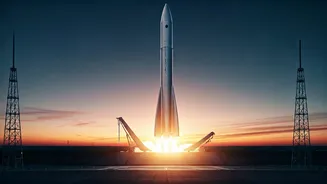
The vehicles that carry our ambitions to space are also undergoing a revolution. SpaceX's massive, fully reusable Starship is central to this story. While Elon Musk has ambitious goals of uncrewed Mars missions in 2026, the year will more realistically be focused on proving the rocket's core capabilities. This includes frequent test flights to demonstrate reliability, deploying real payloads, and testing the orbital refueling systems necessary for deep-space missions. These steps are vital as Starship is a key component of NASA's future Moon plans. Meanwhile, Blue Origin's heavy-lift New Glenn rocket, which had its first flight in early 2025, is expected to continue its launch campaign in 2026, marking the first use of a reused New Glenn booster. Sierra Space's Dream Chaser, a spaceplane designed for runway landings, is also slated for its first orbital demonstration flight, promising a gentler way to return sensitive cargo from orbit.
Robots Pave the Way in Deep Space
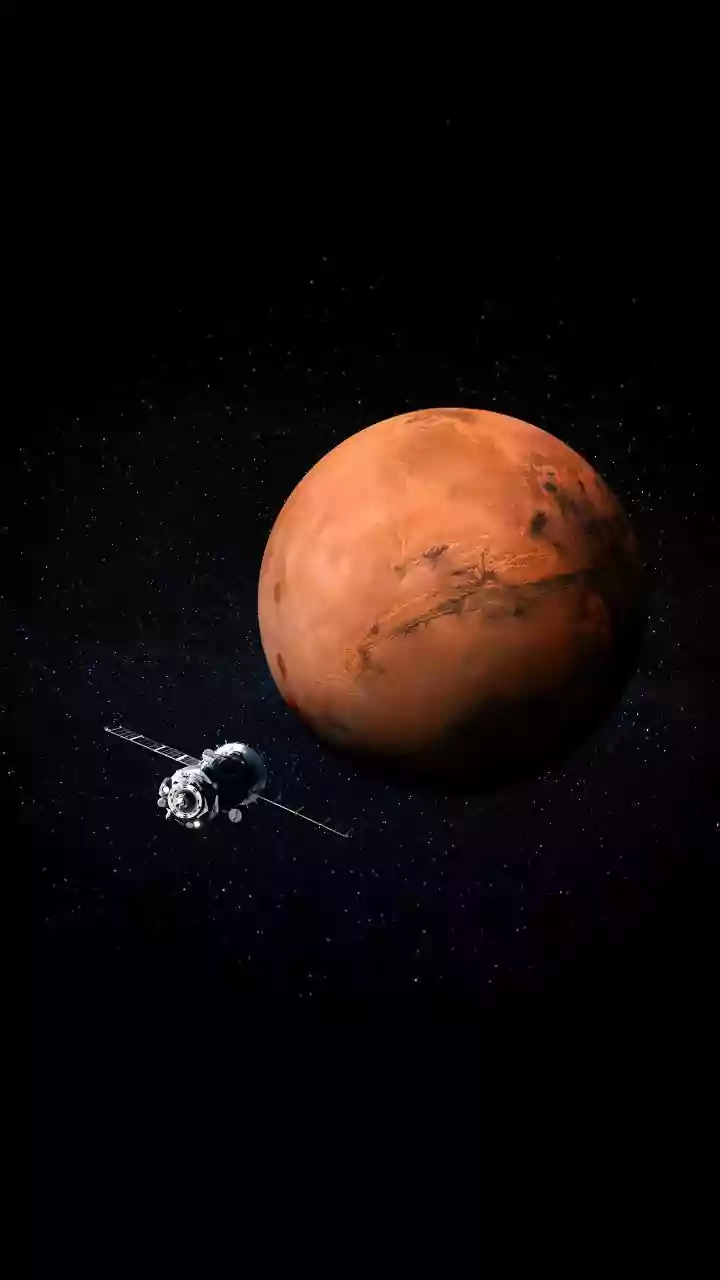
While human missions often capture the headlines, robotic explorers are undertaking groundbreaking science across the solar system in 2026. In November, the European Space Agency's (ESA) Hera mission is scheduled to arrive at the asteroid Didymos to study the aftermath of the DART impact, a key planetary defense experiment. In another milestone, the joint ESA-JAXA mission BepiColombo is expected to finally enter orbit around Mercury after an eight-year journey, providing our best-ever look at the Sun's innermost planet. Japan's JAXA also plans to launch its Martian Moons Exploration (MMX) mission in November 2026, which aims to land on Mars's moon Phobos and return a sample to Earth. These missions are crucial for answering fundamental questions about our solar system's history and for assessing potential future resources and risks.
Artemis Program: A Change of Plans
NASA's Artemis program continues to be the cornerstone of America's return to the Moon. However, the path has been revised. The Artemis II mission successfully sent a crew on a lunar flyby in April 2026. Originally, Artemis III was slated to be the historic lunar landing mission. Now, plans have shifted. Artemis III, currently targeting a late 2027 launch, will be a crewed demonstration flight in low-Earth orbit. Its new purpose is to test the critical systems needed for a lunar landing, including rendezvous and docking operations with the commercial Human Landing System (HLS) spacecraft being developed by SpaceX and Blue Origin. The first crewed lunar landing since the Apollo era is now scheduled for Artemis IV in 2028. This change reflects the immense technical challenge of the lunar landers and represents a safety-first approach to testing these complex new vehicles closer to home before attempting a landing on the Moon.