



More Than Just Comfort Food
For generations, monsoon eating in India hasn't just been about satisfying cravings for something hot and crispy while it pours outside. It has been a conscious practice, guided by the principles of seasonality and wellness. This culinary wisdom, often
passed down from grandmothers, is now finding a new audience. Younger generations and wellness enthusiasts are looking past generic comfort foods and rediscovering a diet tailored to the challenges of the season—a time when humidity is high and the body's digestive system is considered more sensitive. This renewed interest is less a trend and more a return to roots, celebrating local ingredients and time-tested knowledge.
The Wisdom of Seasonal Eating
According to Ayurveda, the monsoon or 'Varsha Ritu' is a period when the digestive fire, or 'Agni', is naturally weaker. The traditional response is to shift towards foods that are light, warm, and easy to digest. This is why meals like khichdi, a simple dish of rice and lentils, become a cornerstone of the monsoon diet. The emphasis is on freshly cooked meals, avoiding heavy, oily, and raw foods, which are believed to be harder for the body to process during this season. Spices like ginger, turmeric, cumin, and black pepper are used not just for flavour but to aid digestion and boost immunity against seasonal ailments like coughs and colds. Drinking warm or boiled water is also a key practice to support digestion and prevent water-borne infections.
Stars of the Rainy Season
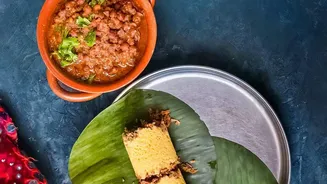
The monsoon brings with it a unique bounty of vegetables and greens that are perfectly suited for the climate. Gourds like lauki (bottle gourd), turai (ridge gourd), and karela (bitter gourd) are staples, prized for being high in water content and easy on the stomach. This season also sees the emergence of wild, foraged foods. In regions like Maharashtra and Gujarat, colocasia leaves (arbi patta) are used to make steamed snacks like Patra or Alu Vadi. In the northeast, bamboo shoots become a prized ingredient for curries and pickles. Other hyperlocal specialities include wild mushrooms like Rugda in Jharkhand and greens like Phodshi Bhaji in Maharashtra, ingredients that are only available during this specific time of year. Even the humble bhutta (grilled corn on the cob), seasoned with salt and lemon, is a quintessential monsoon street food.
A Modern-Day Revival
So why is this ancient food wisdom gaining fresh attention now? The revival is driven by a confluence of factors. There is a growing global movement towards wellness, mindful eating, and understanding the source of our food. Many are turning away from processed items and seeking authentic, natural alternatives. This has led to a renewed appreciation for the knowledge held within traditional Indian culinary practices. Furthermore, chefs and restaurants are playing a significant role in this resurgence. By creating special monsoon menus that feature regional and seasonal delicacies, they are reintroducing these dishes to a wider, urban audience. These menus often highlight forgotten recipes and local ingredients, transforming them into contemporary dining experiences that are both nostalgic and novel.