



What Are Self-Watering Planters?
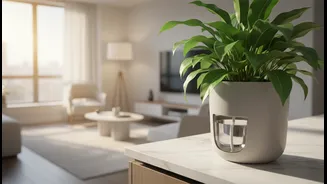
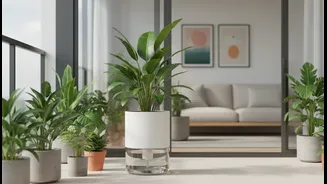
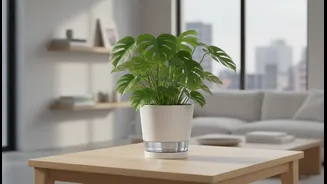
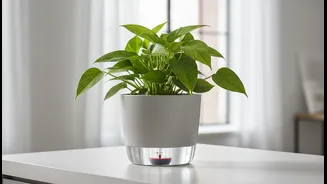
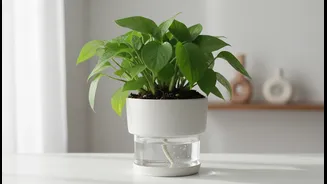
Imagine a plant pot that takes care of watering for you. That's the simple promise of a self-watering planter. These clever containers are designed with a built-in water reservoir at the bottom. This reservoir holds a supply of water that the plant can
draw from as needed, ensuring it gets a consistent amount of moisture without daily intervention. It’s an ideal solution for busy professionals, frequent travellers, or anyone who has ever forgotten to water their plants for a few days. The system essentially lets the plant 'drink' at its own pace, preventing the common problems of both over and underwatering.
The Science of Sipping
The magic behind most self-watering planters is a natural process called capillary action. A wicking system, often a simple cotton rope or a porous material, connects the water in the reservoir to the soil in the upper part of the planter. As the soil begins to dry, it naturally draws water up through the wick, just like a sponge soaking up a spill. This process ensures that the plant's roots have access to moisture from the bottom up, which is how many plants prefer to absorb water. It creates a stable, consistently moist environment that encourages healthy root growth.
Benefits for the Modern Plant Parent
The most significant advantage is convenience. You can go longer between waterings, often for a week or two, depending on the plant and planter size. This is a lifesaver for vacations or hectic work weeks. Secondly, they promote healthier plants. By providing a steady supply of moisture, self-watering pots prevent the stress cycle of drying out and then being flooded with water. This consistency can lead to more lush foliage and even more frequent blooms in plants like the Peace Lily. Finally, they conserve water. Since the water is in a closed system, there's less evaporation, and not a drop is wasted through drainage holes.
Choosing the Right Planter
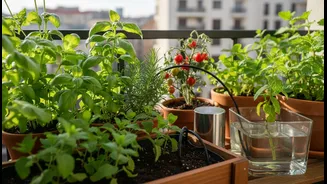
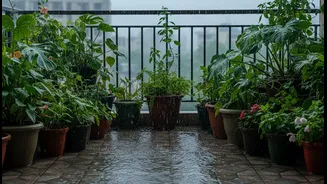
When shopping for a self-watering planter, consider a few key factors. Size is crucial; choose a pot that is appropriate for the mature size of your plant to ensure its roots have room to grow. Look for a water level indicator, a small, clear window or float that shows you how much water is left in the reservoir. This takes the guesswork out of refilling. Also, consider the material. They come in various materials, from plastic to ceramic, to fit any home decor. For outdoor balconies, look for UV-resistant models with an overflow drain to handle rainwater.
Best Plants for Self-Watering Pots
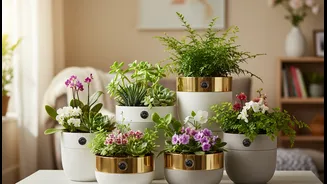
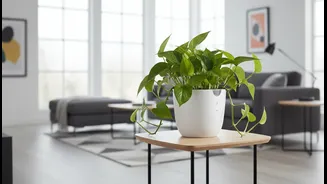
Not all plants are suited for this system. The best candidates are those that thrive in consistently moist soil. In Indian homes, popular choices like the Money Plant (Pothos), Peace Lily, Spider Plant, and various ferns do exceptionally well. Moisture-loving kitchen herbs like basil and mint also flourish. These plants enjoy the steady hydration and are forgiving enough for beginners. You can focus on enjoying their beauty rather than worrying about a strict watering schedule.
A Word of Caution
While fantastic for many, these planters are not ideal for every plant. Species that prefer their soil to dry out completely between waterings, such as succulents, cacti, and Snake Plants, can be prone to root rot in a constantly moist environment. It's also important to clean the reservoir occasionally to prevent the buildup of algae or minerals. And remember, while they are low-maintenance, they aren't 'no-maintenance'. You still need to monitor your plant for signs of distress and refill the reservoir as needed.