


What Exactly Is a Neutron Star?
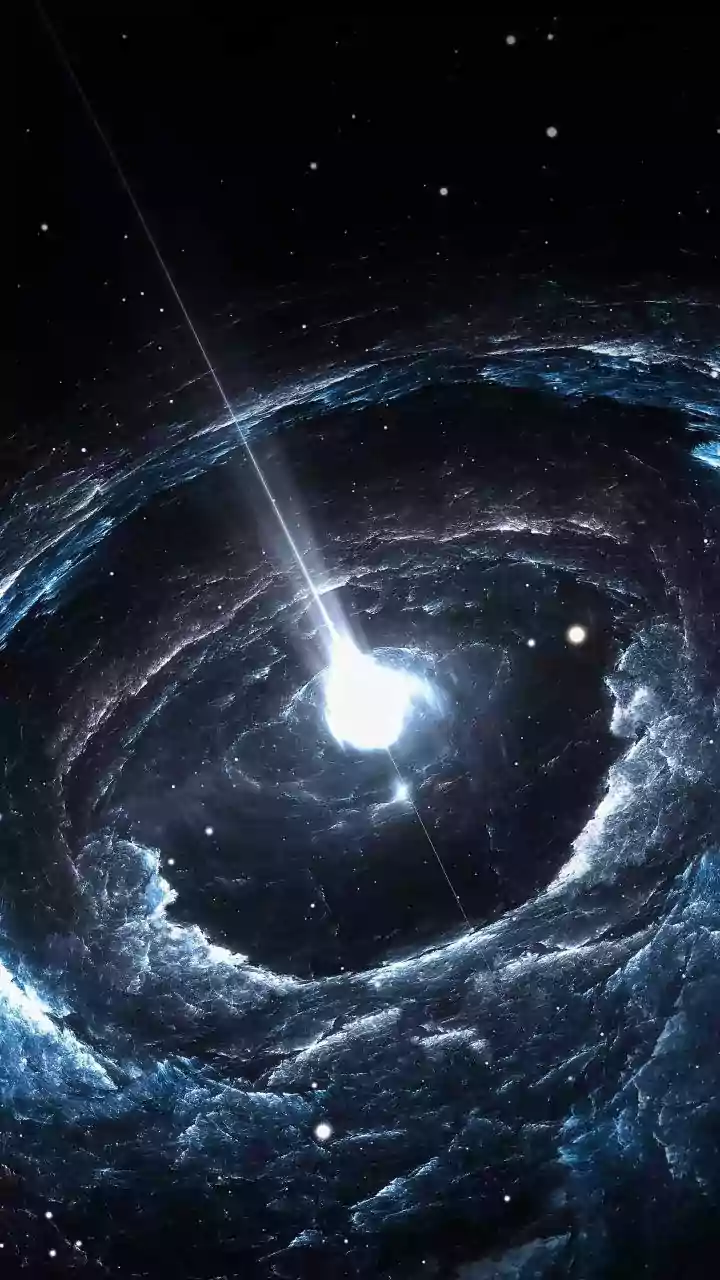
Before you can get to the spin, you have to understand the object itself. A neutron star isn’t really a ‘star’ in the way we think of our sun, which burns fuel through nuclear fusion. Instead, it’s a star’s corpse. When a massive star, much bigger than
our sun, runs out of fuel, it collapses under its own immense gravity and then explodes in a cataclysmic event called a supernova. While the outer layers are blasted into space, the star’s core is crushed into an object of almost unimaginable density. Protons and electrons are squeezed together so tightly that they merge to form neutrons, hence the name. The result is an object only about 12 miles across but with more mass than our entire sun. A single teaspoon of neutron star material would weigh billions of tons on Earth—as much as a mountain.
The Cosmic Ice Skater Effect
So why the dizzying spin? The headline’s figure of 600 times a day is actually a dramatic understatement for the fastest of these objects. The most extreme neutron stars, known as millisecond pulsars, can rotate over 700 times *per second*. That’s more than 42,000 rotations per minute. To understand how, picture a figure skater spinning on the ice. When her arms are outstretched, she spins slowly. When she pulls her arms in tight, her spin accelerates dramatically. This is a physics principle called the conservation of angular momentum. The same thing happens when a giant, slowly rotating star collapses into a tiny neutron star. All of that original rotational energy is now concentrated into a much smaller object, causing its spin rate to increase to truly mind-boggling speeds.
Not Seeing, But Listening
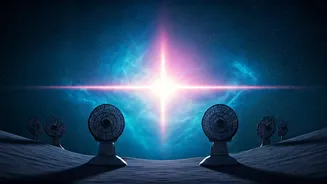
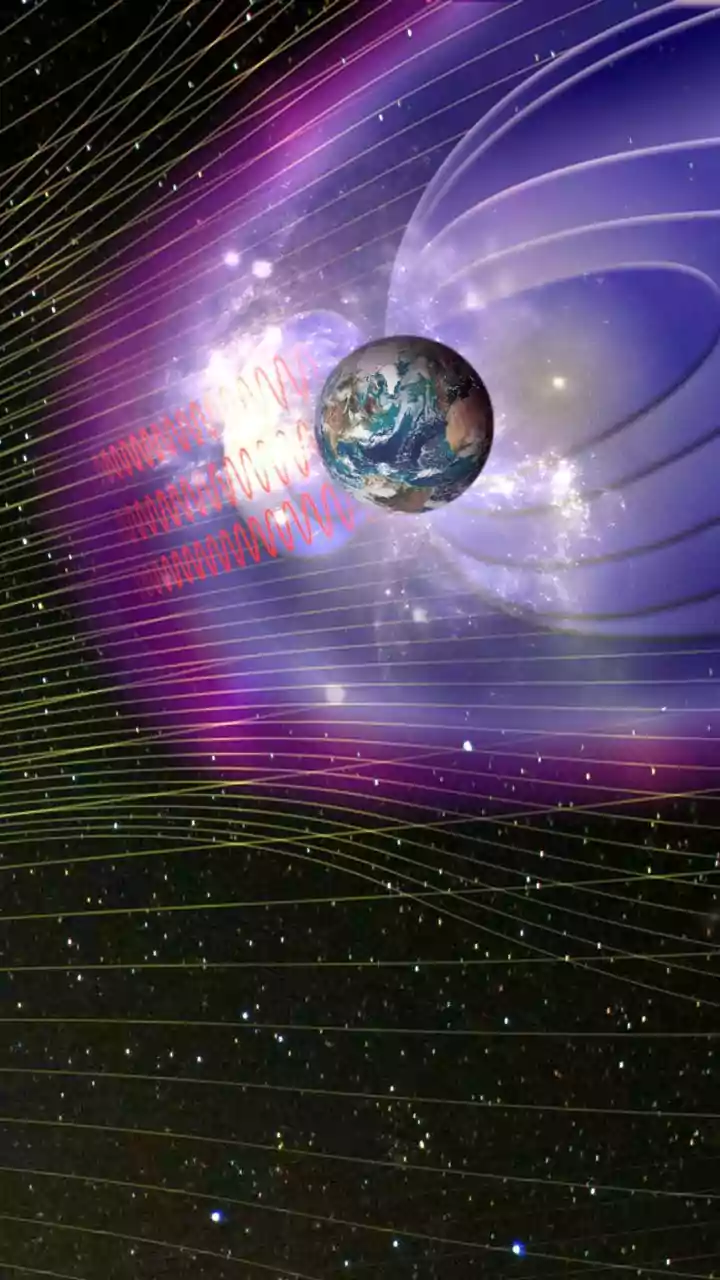
When the headline says telescopes “capture” this spin, it’s not what you might think. We can’t get a video of a neutron star turning. They are far too small and distant to be seen visually. Instead, astronomers use powerful radio telescopes to “listen” to them. Many neutron stars have powerful magnetic fields that shoot out beams of radiation from their poles, like a lighthouse. As the star spins, these beams can sweep across space. If one of those beams happens to sweep past Earth with each rotation, our telescopes detect a regular, repeating pulse of energy. The time between these pulses tells us precisely how fast the star is spinning. So, we’re not watching it rotate; we’re timing the flashes from its cosmic beacon.
Why These Spinners Matter
Studying these extreme objects is more than just cosmic sightseeing. Neutron stars are natural laboratories for physics that we could never hope to replicate on Earth. The matter inside them is under pressures and densities so intense that scientists aren't even sure what state it’s in. By timing the pulses from these spinning stars with incredible precision, astronomers can test the limits of Albert Einstein's theory of general relativity. The predictable timing of these pulsars is so reliable they can even be used as a kind of galactic GPS system for future spacecraft or to detect faint gravitational waves rippling through the fabric of spacetime. They are cosmic clocks that help us probe the most fundamental laws of the universe.