




The Science Behind the Squeeze
The main issue lies with how certain citrus fruits interact with a crucial enzyme in your small intestine called CYP3A4. This enzyme is responsible for breaking down, or metabolizing, a large number of medications before they enter your bloodstream. Compounds
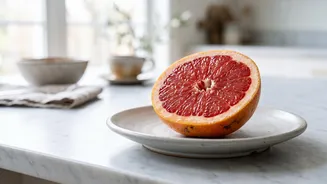
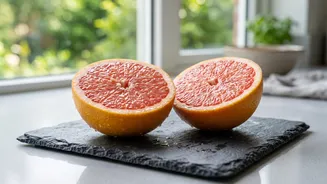
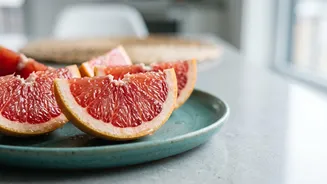
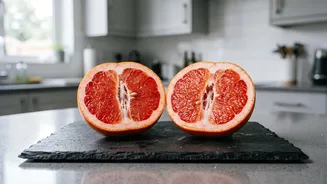
found in grapefruit, called furanocoumarins, effectively block this enzyme. When CYP3A4 is inhibited, much more of the drug can pass into your bloodstream than intended, essentially turning a standard dose into a much higher one. This can dramatically increase the risk of side effects, some of which can be serious. Conversely, for a few drugs like the antihistamine fexofenadine, some juices can block transporters that help the drug get absorbed, making it less effective.
It’s Not Just Grapefruit
While grapefruit is the most famous culprit, it is not the only citrus fruit to be wary of. The U.S. Food and Drug Administration (FDA) warns that other citrus varieties may have a similar effect. These include Seville oranges (often used in marmalades), pomelos (an ancestor of the grapefruit), and tangelos (a cross between a tangerine and grapefruit). Regular sweet oranges, such as navel or Valencia varieties, and lemons are generally not considered to cause this specific interaction. However, it's worth noting that orange and apple juice have been found to decrease the effectiveness of certain medications, like fexofenadine, by blocking their absorption.
Common Medications That Interact
More than 85 drugs are known to interact with grapefruit, and the list continues to grow. It is not about a specific class of drugs, but rather individual medications that are metabolized by the CYP3A4 enzyme. Some of the most common categories include: certain statins for high cholesterol (like atorvastatin and simvastatin), some calcium channel blockers for high blood pressure (like nifedipine), immunosuppressants for organ transplant patients, and some anti-anxiety medications. Because the effect varies from person to person, you should never assume an interaction won't happen.
Timing Doesn't Solve the Problem
A common misconception is that you can avoid the interaction by simply separating your medication and your glass of juice by a few hours. Unfortunately, this is not effective. The blocking effect of grapefruit on the CYP3A4 enzyme is long-lasting. It can take 24 to 72 hours for your body to produce new enzymes and restore normal function. This means that a single glass of juice can impact how you process your medication for up to three days. Therefore, for affected medications, complete avoidance is often the only safe strategy.
Your Guide to Safe Consumption
Navigating this issue doesn't have to be complicated. The first step is awareness. Always read the patient information leaflet that comes with your prescription, as it will often include a warning about grapefruit juice. The most important step is to talk to your doctor or pharmacist. They have access to comprehensive databases and can tell you definitively if the specific medication and dosage you take are at risk. Never stop taking a prescribed medication if you realize you've been consuming grapefruit; instead, contact your healthcare provider for advice. They can help you understand the risks, suggest alternative medications if necessary, and ensure your treatment remains both safe and effective.