
Embrace the Stems
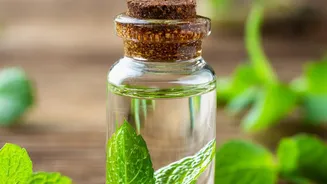
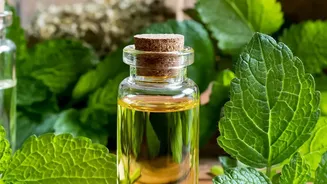
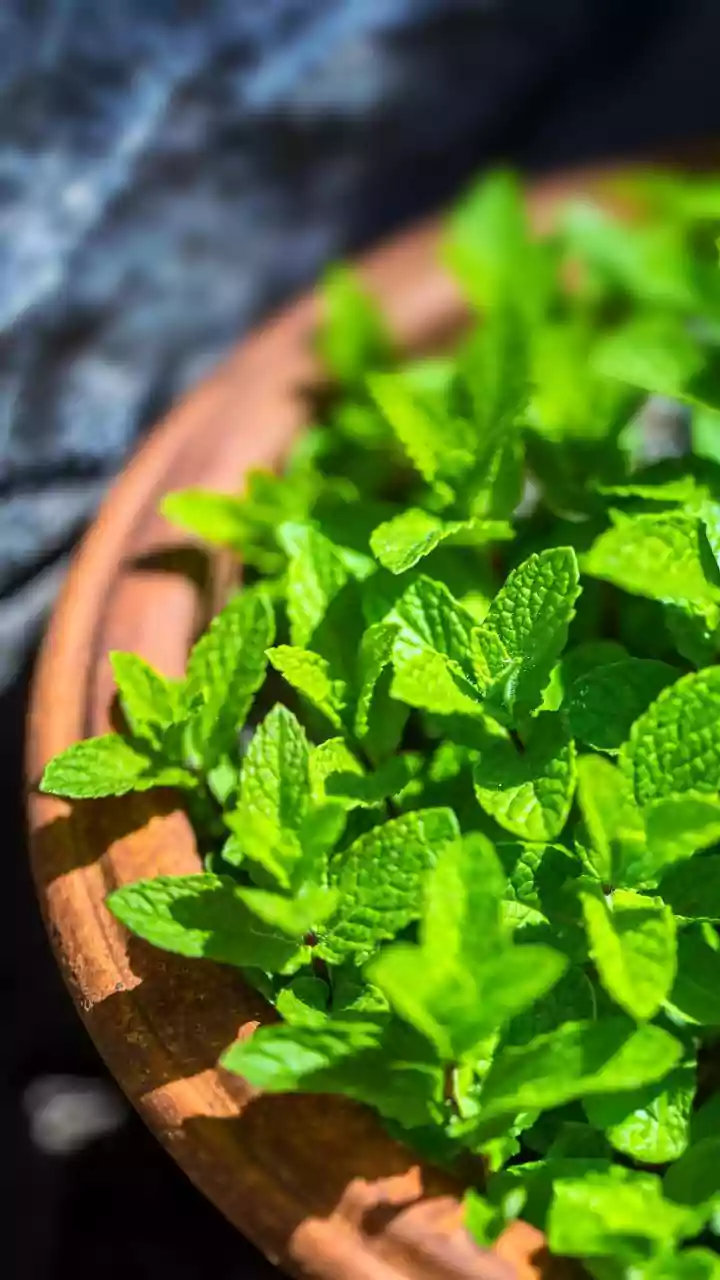
Tossing out herb stems is a missed opportunity. The stems of soft herbs like coriander and mint are packed with flavour, often a more intense and peppery version of what's in the leaves. Using them is a simple and effective step toward a zero-waste kitchen,
saving you money and adding a new, complex ingredient to your culinary arsenal. By repurposing these scraps, you extract every last bit of value from your fresh produce, ensuring nothing goes to waste. The process is not just about sustainability; it's about discovering the untapped potential in everyday ingredients.
Choosing Your Ingredients
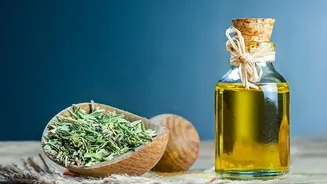
The beauty of this infusion lies in its simplicity. For the herbs, gather the leftover stems from a bunch of fresh coriander and mint. Ensure they are washed thoroughly and, most importantly, patted completely dry. Excess water is the enemy of infused oils, as it can encourage bacterial growth. For the oil, choose a neutral-flavoured variety that will allow the herbs to shine. Grapeseed, sunflower, or a light olive oil are all excellent choices. A strong, extra-virgin olive oil can be used, but its powerful flavour may compete with the delicate notes of the mint and coriander.
A Step-by-Step Guide to Infusion
The heated infusion method is quick, effective, and safer for fresh herbs as the heat helps inhibit bacteria. First, roughly chop your clean, dry coriander and mint stems. Next, combine the chopped stems and your chosen oil in a small saucepan, using a ratio of roughly two parts oil to one part herbs. Gently heat the mixture over low heat. You are not trying to fry the herbs, but rather to gently coax the flavour out. Keep the temperature low and steady, letting it warm for about five to ten minutes until the aroma is potent. Be careful not to let the oil smoke or the herbs sizzle aggressively. Once infused, turn off the heat and allow the mixture to cool completely.
Strain and Store with Care
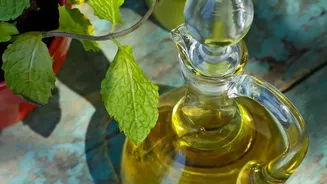
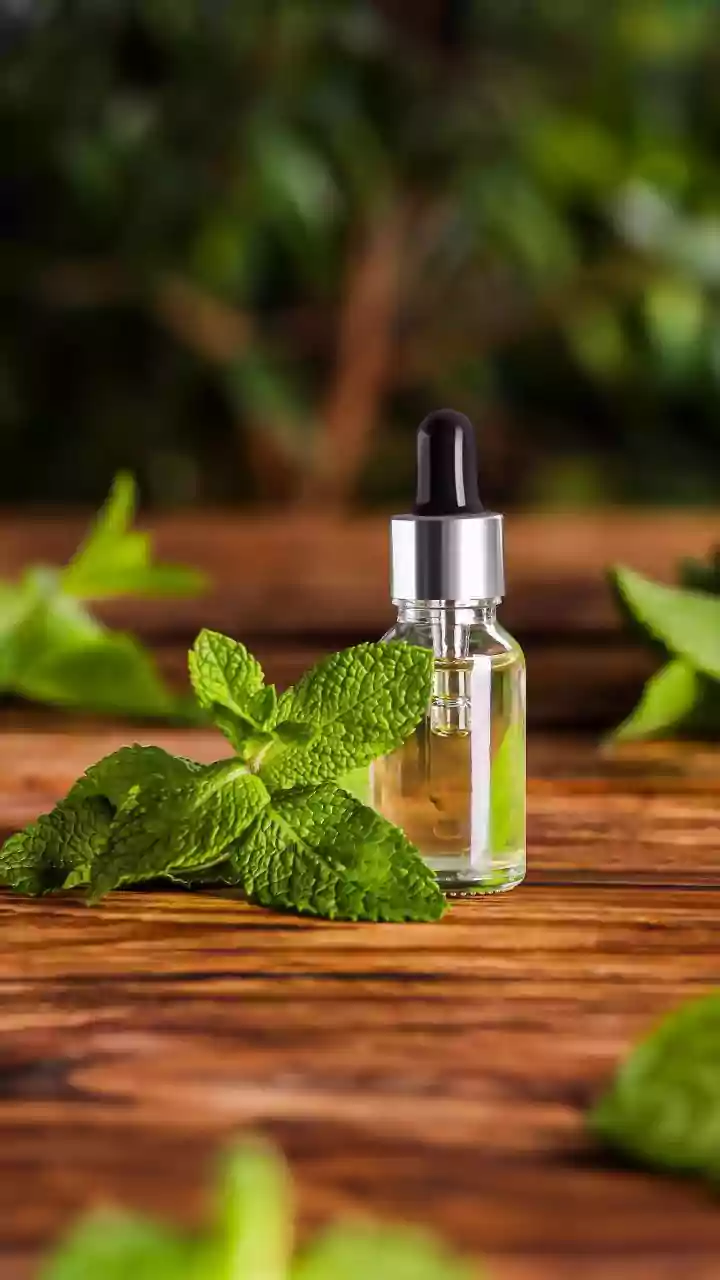
Once the oil has cooled to room temperature, it's time to strain out the solids. Place a fine-mesh sieve lined with cheesecloth or a coffee filter over a clean, sterilized glass jar or bottle. Pour the oil through the filter, allowing it to drip through slowly. Resist the temptation to press down on the solids, as this can make the oil cloudy. Due to the use of fresh herbs, there is a risk of botulism if stored improperly. To ensure safety, this oil must be stored in the refrigerator and should be used within a week. The oil may solidify or become cloudy in the cold; simply let it sit at room temperature for a few minutes to liquify before using.
Ways to Use Your Homemade Herb Oil
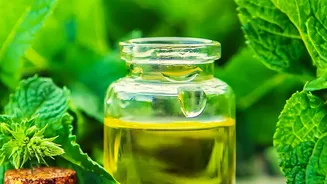
This vibrant green oil is a versatile addition to countless dishes. Drizzle it over roasted vegetables, grilled fish, or chicken for a fresh, aromatic finish. Whisk it with lemon juice and a pinch of salt for a simple, bright salad dressing. Use it as a base for a flavourful marinade for meats or tofu. It can be stirred into soups, dolloped onto eggs, or used to liven up a bowl of plain rice or noodles. The combination of cooling mint and peppery coriander creates a unique flavour profile that can elevate simple meals into something special.