



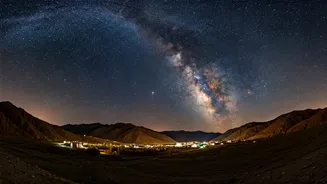


Why Ladakh's Night Sky is Legendary
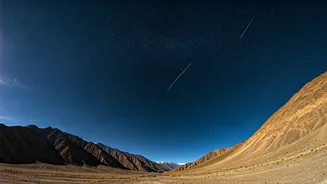
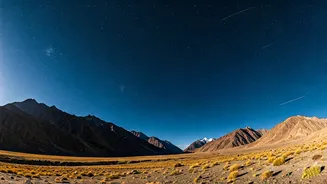
Ladakh's unique geography is a dream for astronomers and casual observers alike. Situated at altitudes mostly above 10,000 feet, the thin, dry air results in exceptionally clear skies. The region's remoteness means there is very little light pollution,
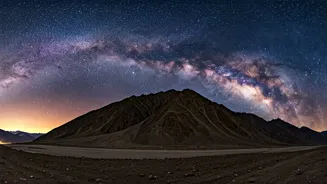
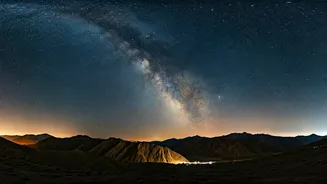
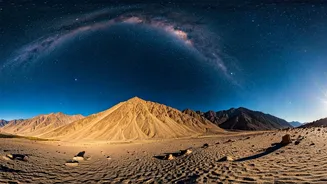
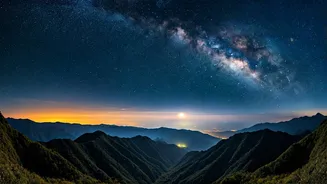
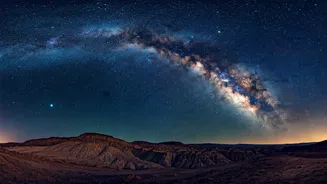
allowing the Milky Way, distant planets, and countless stars to shine with brilliant clarity. On moonless nights, the sky is so dark that our galaxy can be seen stretching from horizon to horizon with the naked eye, a sight most city dwellers have never experienced. This combination of high altitude, low humidity, and dark skies makes Ladakh a world-class natural observatory.
Best Time to Go
To make the most of your stargazing trip, timing is everything. The prime season runs from May to September, when the weather is milder and the skies are consistently clear. The core of the Milky Way is most visible during these summer months. For the most dramatic views, plan your visit around a new moon. The absence of moonlight creates the darkest possible canvas, allowing fainter stars and deep-sky objects to pop. While winter (December to February) offers incredibly crisp skies, the extreme cold and road closures make it a challenge for all but the most seasoned adventurers.
Hanle: India’s First Dark Sky Reserve
Hanle, a remote village in the Changthang region, is the crown jewel of stargazing in India. Officially designated as India's first Dark Sky Reserve in 2022, it is a haven for astronomers. At an altitude of 4,500 metres, it hosts the Indian Astronomical Observatory, one of the highest in the world. The light pollution here is practically non-existent, providing unparalleled views of galaxies, nebulae, and planets. Local villagers have been trained as 'Astronomy Ambassadors' to guide tourists, offering sessions with telescopes and sharing knowledge about the cosmos, making for a truly immersive astro-tourism experience.
Nubra Valley: Desert Dunes and Starry Nights
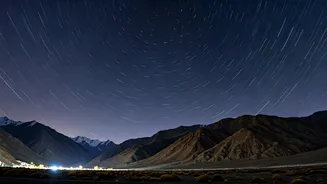
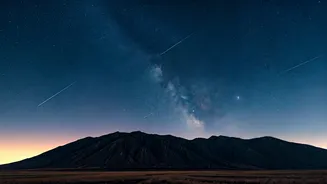
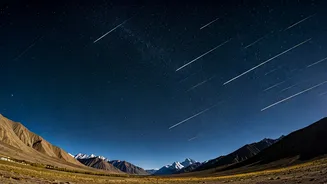
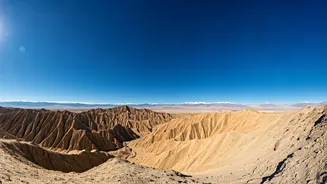
Known for its unique landscape of sand dunes against snow-capped mountains, Nubra Valley offers a different but equally stunning stargazing experience. Situated at a lower altitude of around 3,000 metres, the nights are relatively warmer and more accessible for families or those acclimatising. The wide-open valley provides unobstructed panoramic views. Villages like Hunder and Diskit are excellent bases with minimal artificial light, perfect for spotting constellations and watching meteor showers streak across the silent desert sky. The sight of the Milky Way arching over the silhouette of the Karakoram range is unforgettable.
Pangong Tso: Celestial Reflections
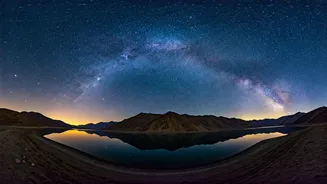
The iconic Pangong Tso, a high-altitude lake sitting at 4,350 metres, is as magical by night as it is by day. On a clear, calm night, the vast, still waters of the lake create a perfect mirror for the cosmos, reflecting the starlit sky. Imagine watching the Milky Way not just above you but also shimmering on the surface of the water below. The open landscape and high altitude ensure spectacular visibility. Camping near the lake in villages like Spangmik allows you to stay away from the main tourist hubs and experience a truly profound connection with the night sky.
Tso Moriri: A Secluded Spectacle
For those seeking solitude, Tso Moriri is the perfect destination. Less crowded than Pangong, this pristine high-altitude lake at 4,522 metres offers an incredibly peaceful and uninterrupted stargazing experience. The dry air and high elevation lead to exceptionally sharp star visibility. It is considered to have a Bortle scale 1 sky, the darkest possible. Camping near Korzok village, you can listen to the traditional star legends of the local Changpa nomads while witnessing a celestial display that feels both ancient and immediate.