





The Core Problem: Monsoon Majesty vs. Monsoon Mayhem
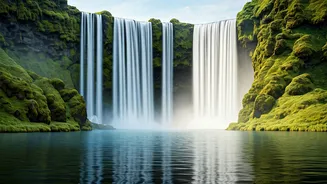
We've all seen the videos: a once-gentle stream turned into a terrifying, destructive torrent, washing away bridges and paths. The monsoon season, from roughly June to September, is when India’s waterfalls are at their most powerful and visually stunning.
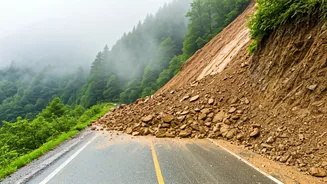
However, this is also the period of highest risk. Flash floods, slippery terrain, and road closures are common, turning a dream trip into a dangerous ordeal. The desire to see nature's power up close is strong, but so is the need for safety. The key isn't to avoid waterfalls, but to approach them with intelligence and a solid plan that works with the weather, not against it.
The Year-Round Kerala Giant: Athirappilly Falls
Often called the “Niagara of India,” Athirappilly Falls in Kerala is a fantastic option because it’s a perennial waterfall with well-managed tourist infrastructure. While it's at its most thunderous during the monsoon, the viewing areas are relatively safe and well-barricaded. For those wary of the peak-monsoon crowds and downpours, visiting between September and January is ideal. The rains have subsided, but the Chalakudy River, which feeds the falls, remains full and impressive. You get the magnificent views with lush green surroundings, but with far less risk of sudden weather-related disruptions. The paths are paved, making the walk down to the base of the falls more manageable than at many other more rustic locations.
Goa's Post-Monsoon Marvel: Dudhsagar Falls
Dudhsagar Falls is the poster child for a waterfall that demands patience. Trying to visit during the peak monsoon is often impossible and always dangerous. Access via the popular jeep safari is typically suspended as the forest tracks become impassable mud pits. However, if you wait until the monsoon recedes, from October to February, you are rewarded spectacularly. The “Sea of Milk” is still flowing powerfully, the surrounding forests are a vibrant, freshly-washed green, and the jeep safaris are back in operation. You get the full, majestic experience without the life-threatening risks of flash floods. Planning a trip for this window turns Dudhsagar from a source of weather panic into a guaranteed highlight.
The All-Weather Option: Hogenakkal Falls, Tamil Nadu
Located on the border of Tamil Nadu and Karnataka, Hogenakkal Falls offers a different kind of experience that is less dependent on the primary southwest monsoon. Fed by the Kaveri River, the flow is generally strong year-round, though it peaks during the monsoon months (July-October). The main attraction here are the coracle rides, which take you close to the plumes of spray. Local authorities are quick to suspend these rides when the water levels are dangerously high. For a less frantic visit, consider the winter months (November to February). The weather is pleasant, the water flow is steady but safe, and you can enjoy the unique rock formations and the boat ride without constantly checking a weather app.
Smart Waterfall Chasing: Universal Rules
Regardless of the destination, a few rules can eliminate weather panic from any waterfall trip. First, always check with local authorities or your hotel about the current conditions before you set out. News from a week ago is irrelevant; conditions can change in hours. Second, hire a local guide. They understand the terrain, know the safe and unsafe spots, and can read the subtle signs of changing weather. Third, wear proper footwear. Slippery rocks are a given, and sports sandals or sturdy shoes with good grip are non-negotiable. Finally, respect the barriers. They are there for a reason. A slightly better photo is never worth risking your safety.