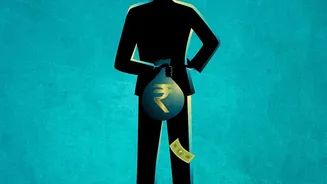







The Shrinking Ticket Size
Recent data from the Reserve Bank of India (RBI) paints a fascinating picture. While the total number of credit card transactions is surging, the amount spent per swipe is dropping. In July 2026, the number of transactions jumped by over 24% compared
to the previous year, but total spending grew by a much slower 7.4%. This divergence has pushed the average ticket size down to around ₹3,460, a year-on-year decline of approximately 13.5%. So, while more people are using their cards more often, they are doing so for smaller purchases. This isn't a sign of a spending collapse; rather, it signals a fundamental change in how Indians perceive and use credit.
The UPI-Credit Card Crossover
A primary driver of this trend is the growing integration of credit cards with the Unified Payments Interface (UPI). The introduction of RuPay credit cards linked to UPI allows users to scan a merchant's QR code and pay with their credit line, a convenience that was previously limited to bank accounts. This has transformed credit cards from a tool for large, occasional purchases—like electronics or travel—into a daily utility for smaller expenses, such as groceries, dining, or online orders. Banks have actively encouraged this shift. For instance, PNB's partnership with Kiwi for a UPI-based credit card saw its transaction volumes surge, driven by many small-value payments. This trend effectively blurs the line between UPI's convenience and the credit card's borrowing power.
A Fundamental Shift in Consumer Habits
The data suggests that UPI hasn't killed the credit card; instead, it has created a new kind of digitally savvy consumer. Indians are now comfortable making digital payments for almost everything, from morning chai to monthly bills. Credit cards are fitting into this new habit by offering rewards, cashback, and short-term credit on the same UPI network that users are already familiar with. While UPI dominates low-value, routine payments, credit cards are retaining their importance for higher-value discretionary spending while also capturing a new market in smaller, credit-backed daily transactions. This creates two distinct roles: UPI for direct debit, and credit cards (often via UPI) for when a user wants to borrow.
What This Means for Banks and Lenders
For financial institutions, this shift presents both opportunities and challenges. On one hand, encouraging smaller, frequent transactions increases card activation and usage, driving higher overall transaction volumes and customer engagement. On the other hand, the business model may need to adapt. The profitability of credit cards has traditionally relied on interest from revolving balances and fees from larger transactions. With the average ticket size falling, banks must now process a much higher volume of transactions to maintain revenue. It also means that competition is intensifying, not just among traditional card issuers but also from fintech companies offering innovative credit-on-UPI products. Public sector banks, in particular, are seeing strong growth in this new landscape.
The Big Picture for the Economy
The falling transaction size is a sign of a maturing digital payments ecosystem. It shows that credit is becoming more accessible and integrated into the fabric of daily commerce, moving beyond just metros and into Tier-2 and Tier-3 cities. This democratisation of credit can fuel consumption and economic activity. However, it also brings risks. The ease of tapping into credit for small amounts can make it harder for consumers to track their borrowing, potentially leading to debt traps if balances are not managed carefully. For regulators and lenders, the key will be to balance this expanded access to credit with the need for responsible lending and financial education, ensuring that the convenience of a small swipe doesn't lead to bigger financial burdens down the line.