


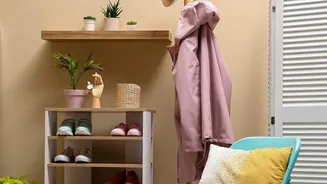

Location is Everything: Designate Your Zone
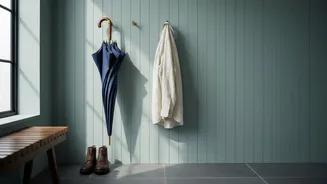
The first step to containing monsoon mess is to choose a specific location. Ideally, this should be right near your home’s entrance—be it the foyer, a corner of the balcony, or a small patch of the verandah. The goal is to stop water and mud from being
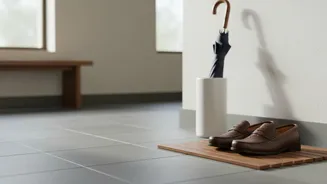
tracked through the house. This area will become the designated spot for anyone entering your home to shed their wet gear. Ensure the flooring in this area is waterproof, like tile or stone. If you have wooden floors, protect them with a large, absorbent, and waterproof mat. Good ventilation is also key; a spot near a window or in a well-circulated area will speed up drying and prevent musty smells from developing.
The Shoe Situation: Containment and Care
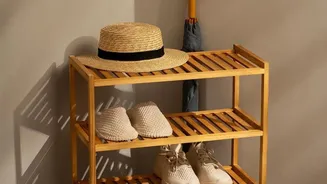
Wet shoes are a primary culprit for dampness and odour. Simply leaving them in a pile creates a breeding ground for bacteria and can ruin the footwear. An open-shelf shoe rack is an excellent solution, as it allows air to circulate freely around each pair. For particularly soaked shoes, the first step is to act quickly. Wipe off excess mud and water, then stuff them with newspaper. The paper absorbs internal moisture and helps the shoes retain their shape as they dry. Avoid using direct heat like a hairdryer, which can crack leather and damage other materials. It's wise to have at least two pairs of monsoon-friendly shoes in rotation, so one pair can dry completely while you wear the other.
The Umbrella Dilemma: Drip-Free Solutions
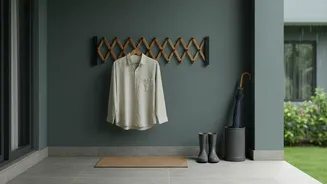
A dripping umbrella can quickly create a hazardous puddle on your floor. Instead of leaning it in a corner where it remains damp and can develop rust, invest in a proper umbrella stand. Look for a stand that is sturdy enough not to tip over and has a basin at the bottom to collect water. For a space-saving alternative, consider installing wall hooks near your drying zone. You can hang umbrellas from these hooks with a bucket or tray placed underneath to catch the drips. This keeps them out of the way and allows them to air dry more effectively. Before storing a dry umbrella, always leave it open for a few hours to ensure the fabric is completely free of moisture.
Essential Add-ons for Your Drying Zone
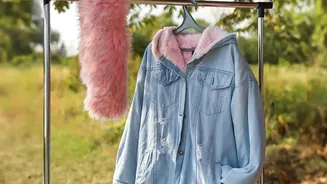
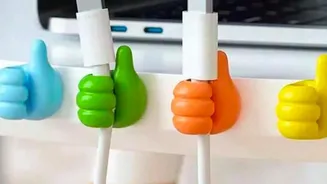
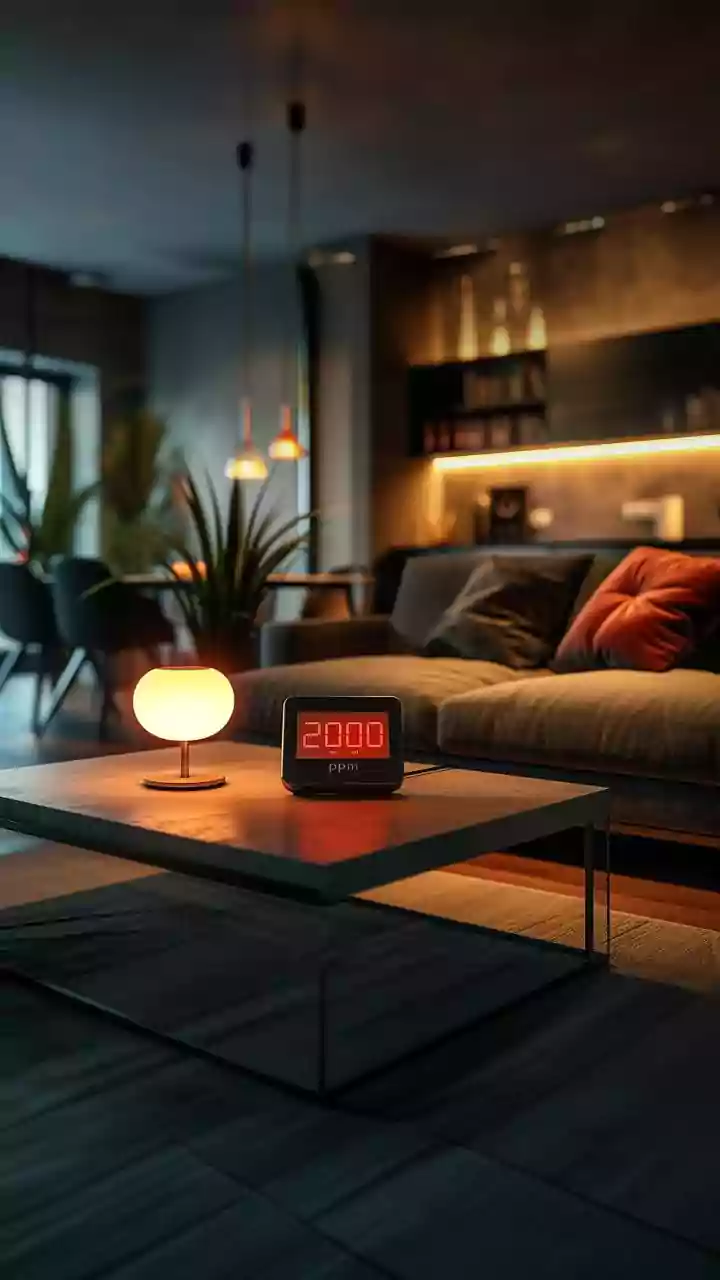
Beyond racks and stands, a few key items can elevate your drying zone. A highly absorbent doormat is non-negotiable for wiping feet and shoes before they even enter the home. Inside the zone, a waterproof tray or a boot tray can be a great place for dripping shoes. A set of sturdy hooks on the wall is invaluable for hanging wet raincoats and jackets. For a more advanced setup, consider a small dehumidifier for the area. Dehumidifiers pull moisture from the air, which not only helps clothes, shoes, and umbrellas dry faster but also significantly reduces the risk of mould and mildew growth throughout the home. Keeping the indoor humidity level below 60% is crucial for preventing mould.
Fighting Dampness and Odours
Even with a perfect drying zone, high humidity can cause a persistent musty smell. Improve air circulation by opening windows for a while when it isn't raining or by using fans. Natural absorbents can also work wonders. Placing bowls of camphor, neem leaves, or even silica gel packets in shoe cabinets and wardrobes helps absorb excess moisture and keep odours at bay. Regularly cleaning your drying zone is also important. Wipe down the floor, empty water from trays and stands, and ensure mats are dried out to prevent the area itself from becoming a source of dampness.