

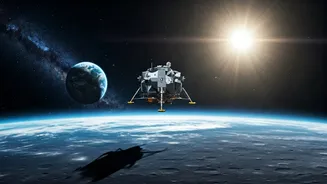


To the Moon, This Time to Stay
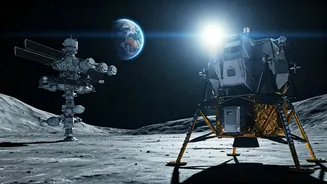
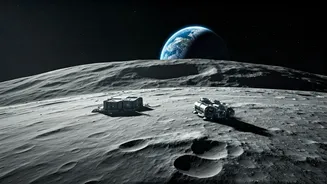
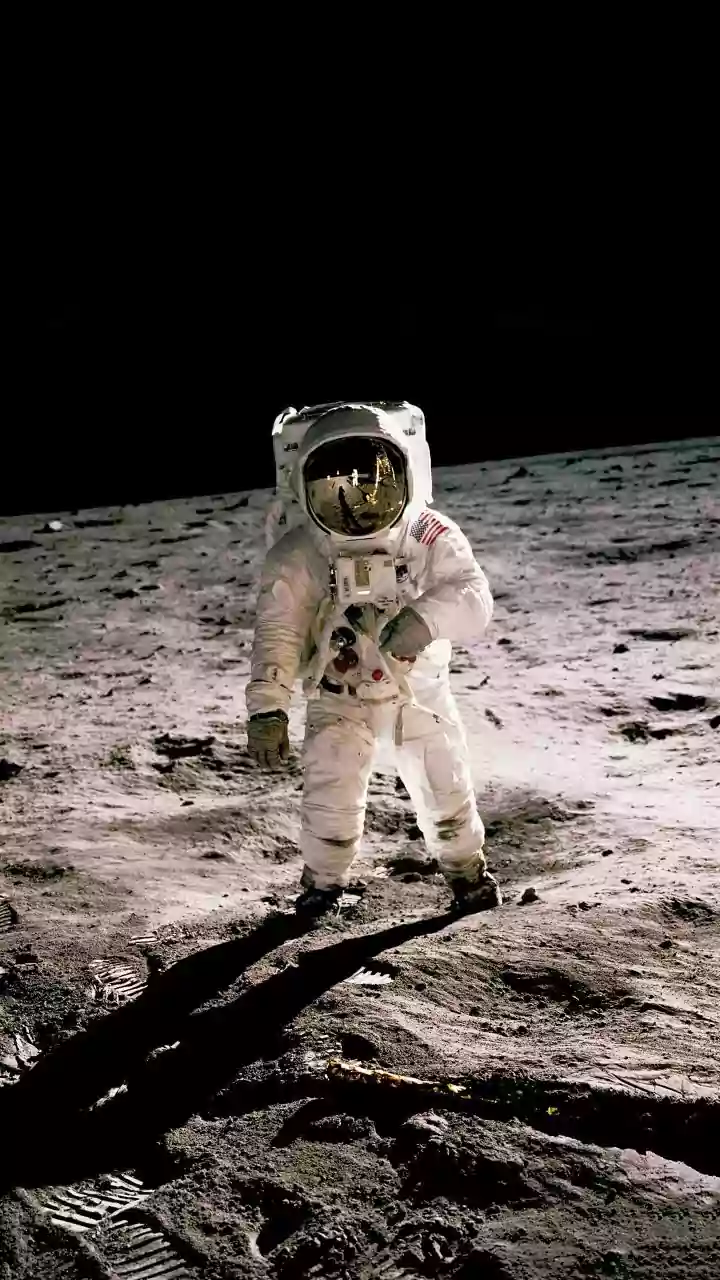
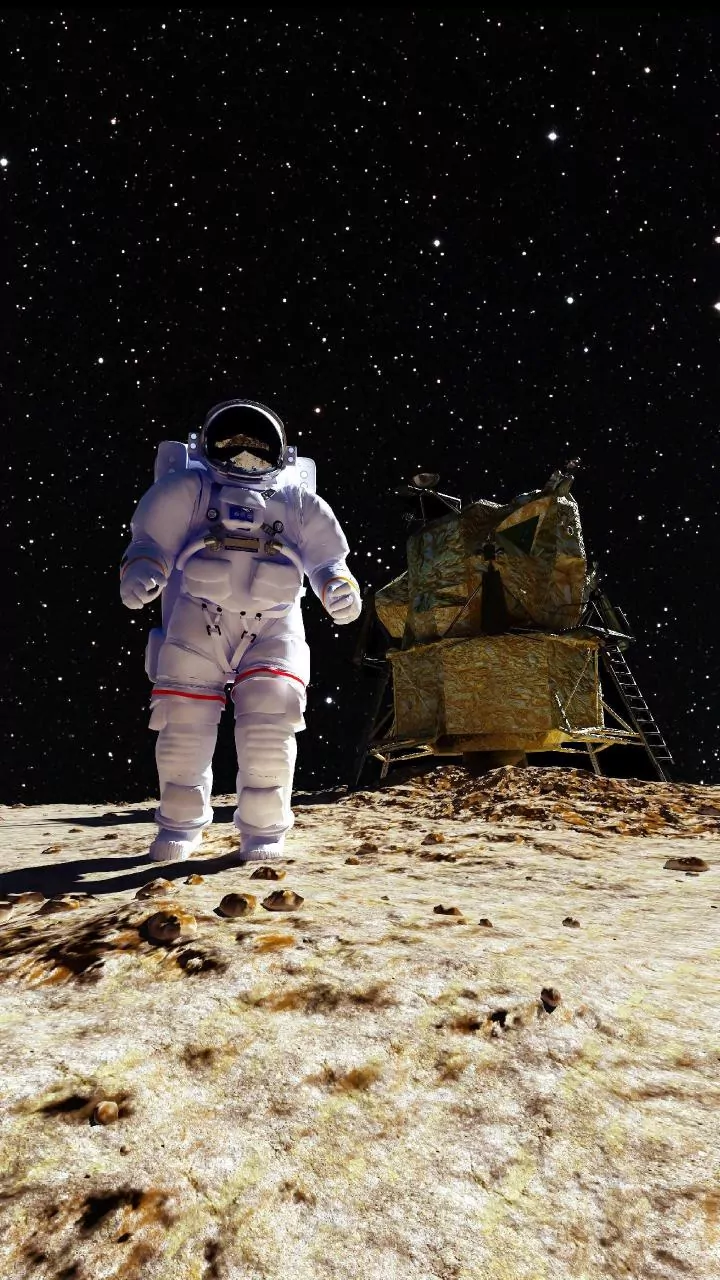
At the forefront of this new era is NASA's Artemis program, an ambitious plan to establish a sustainable human presence on the Moon. Unlike the Apollo missions of the 20th century, Artemis is not about planting a flag and leaving; it's about building
a permanent base for long-term scientific research. [7, 13] Following the uncrewed Artemis I flight in 2022 and the crewed lunar flyby of Artemis II in April 2026, the program is methodically progressing. [4, 7] Artemis III is scheduled for 2027 to test lunar landers in Earth's orbit, paving the way for Artemis IV—the first crewed lunar landing since 1972, now planned for 2028. [4, 9, 13] The ultimate vision is a lunar base camp, a crucial stepping stone for the next giant leap: sending astronauts to Mars. [7, 11]
The Red Planet: A Multi-Pronged Approach
Mars remains the ultimate prize in planetary exploration, and the quest to understand it is intensifying. NASA's Perseverance rover is currently on Mars, collecting rock and dust samples that could hold signs of ancient microbial life. [15, 23] However, the ambitious joint NASA-ESA Mars Sample Return (MSR) mission, intended to bring these samples to Earth, has faced significant budgetary hurdles and has been effectively cancelled in its original form, with a revised mission now being planned for the 2030s. [3, 10, 15] This situation opens a door for other players. China is also a major contender in Mars exploration; its Tianwen-3 mission aims to launch in 2028 and return its own Martian samples to Earth by July 2031. [17] Meanwhile, Japan's Martian Moons eXploration (MMX) mission plans to launch in 2026 to collect samples from Mars's moon Phobos, which may contain Martian material ejected from the surface. [17]
China's Celestial Ascendancy
China's space program is advancing at a breathtaking pace, with major goals set for the coming years. The China National Space Administration (CNSA) is operating the Tiangong space station, one of only two active space stations. [25] In 2026, the country will continue its intensive mission schedule, which includes crewed missions like Shenzhou-23 and the Tianwen-2 probe's approach of a target asteroid. [2, 6] Looking further, China plans to land its first astronauts on the Moon by 2030 and is collaborating with Russia and other nations to construct an International Lunar Research Station (ILRS) at the lunar south pole. [18, 25] The nation has also set its sights on crewed missions to Mars by 2033. [18]
India's Leap into Human Spaceflight
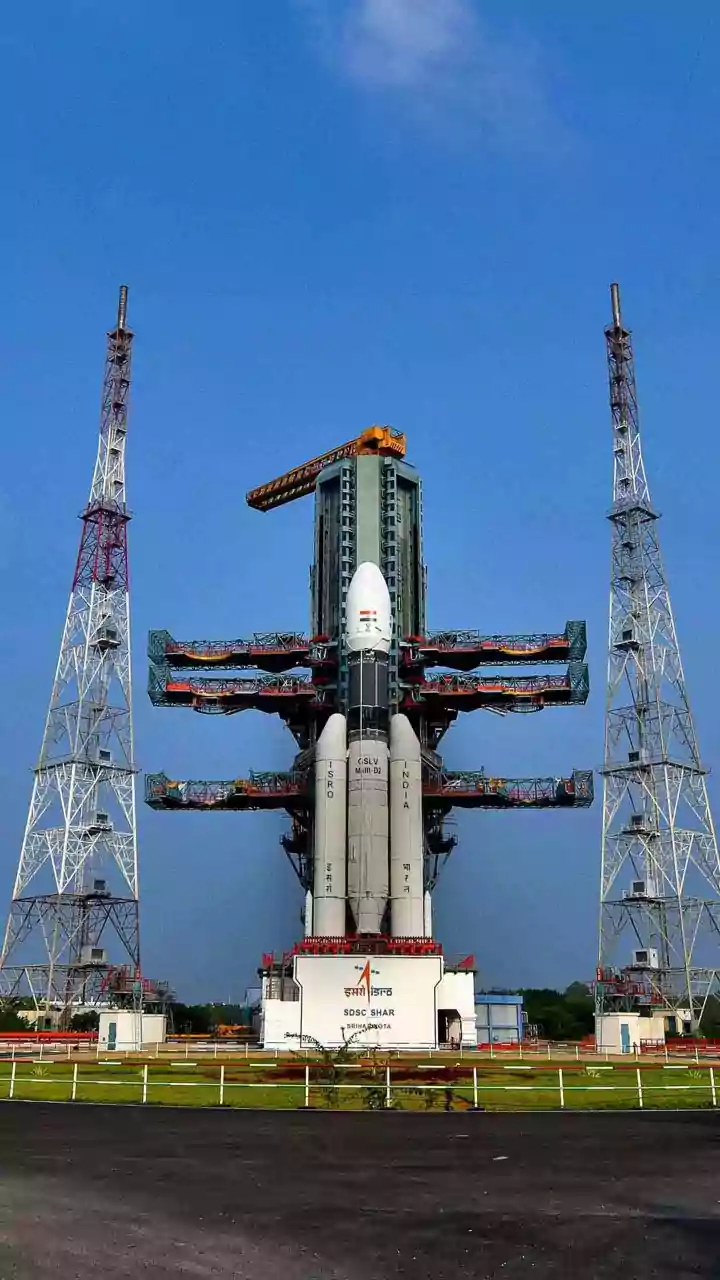
The Indian Space Research Organisation (ISRO) is on the verge of a historic milestone with its Gaganyaan programme. This initiative aims to demonstrate India's capability for human spaceflight by sending a crew of three astronauts into a 400 km orbit for a three-day mission. [14] Following a series of uncrewed test flights, including the G1 mission planned for 2026, the first crewed flight is anticipated in 2027. [8, 29] Successful completion would make India only the fourth nation to conduct independent human spaceflight. [5] This achievement is seen as a gateway for more ambitious future projects, including a potential Indian space station, crewed lunar landings, and interplanetary missions. [5, 14]
Europe's Cosmic Vision and Collaboration
The European Space Agency (ESA) continues to be a crucial player, both through its own missions and extensive international collaboration. [24] Under its Cosmic Vision and Voyage 2050 programmes, the ESA is pursuing a range of ambitious science missions. [19] These include PLATO, a space observatory for discovering exoplanets launching in 2026, and future flagship projects like the Athena X-ray observatory and the LISA gravitational wave observatory, both planned for the 2030s. [12, 19] The JUICE mission, launched in 2023, is currently en route to Jupiter to study its icy moons. [19] ESA is also a key partner in NASA's Artemis program, providing the service module for the Orion spacecraft, demonstrating the deeply collaborative nature of modern space exploration. [4, 24]