








An Introduction to Nupe Artistry
The Nupe people, residing primarily in the North Central region of Nigeria, are custodians of a rich artistic heritage that has been passed down through generations. While they are celebrated for a diverse range of skills including pottery, brass-smithing,
and woodcarving, it is their textile arts that truly capture the soul of their culture. Bida, the historic capital of the Nupe kingdom, has long been a creative hub, recognized for its guild-organized craftwork that includes everything from glass beads to intricate leatherwork. This tradition of making is not just a trade but a fundamental part of Nupe identity, with skills passed from parent to child, embedding history into every object created. The textile crafts, in particular, serve as a colourful and tangible archive of the Nupe people's journey.
The Soul in the Stitches
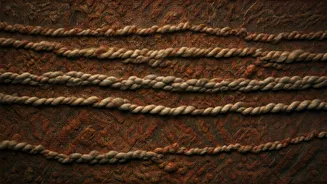
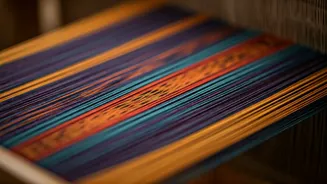
At the heart of Nupe textile craft is the meticulous art of threadwork, encompassing weaving, dyeing, and embroidery. Weaving was traditionally performed by both men and women using different types of looms. Women often used wide, stationary looms to create cloths for wrappers, while men worked with narrow-strip looms. The resulting strips were then stitched together to create larger textiles. These cloths are known for their vibrant colours and intricate patterns, often featuring bold geometric shapes and symmetrical designs that hold cultural significance. The use of bright hues like red, blue, and green makes the garments stand out, transforming them into statements of artistry and identity. This threadwork is not merely decorative; it's a language of symbols and status.
The Rich Hues of Tradition
Dyeing is another cornerstone of Nupe textile art. For centuries, indigo was a principal dye, with Kano, a major trading hub, providing much of the indigo-dyed cloth worn across the Sahara. The process involves resist-dyeing techniques, where parts of the cloth are tied or stitched with raffia to prevent the dye from penetrating, creating stunning patterns. This method results in a beautiful contrast between the deep blue of the indigo and the original colour of the cloth. While synthetic dyes are more common today, the traditional methods using natural substances like indigo and cassava starch are still practiced, aligning with a growing global interest in sustainable fashion.
Embroidery as Expression
The embroidery tradition, known as 'riga' in Bida, is one of the most respected in Nigeria. This is not simple ornamentation but a highly developed art form, often seen embellishing the flowing gowns worn by men, known as 'Babariga', and the kaftans worn by women. The embroidery, featuring elaborate patterns around the neckline, chest, and cuffs, is done by hand and represents a significant cultural inheritance. These embroidered garments are worn for important occasions like mosque gatherings and family celebrations, signifying respect and status. The intricate stitch-work, combined with the fine cloth, creates a garment that is both a piece of clothing and a work of art.
Weaving the Future
In the face of modernization, the Nupe people continue to be a dynamic force in Nigeria's cultural landscape. While some traditional practices like weaving on certain looms have declined since the mid-20th century, the legacy lives on. Nupe crafts are not static; they are constantly evolving. Contemporary artisans and designers are finding new ways to incorporate traditional techniques and motifs into modern fashion, bringing this ancient art to a global audience. Collaborations between Nupe artisans and international designers are helping to preserve these skills while also providing economic empowerment. This blend of tradition and innovation ensures that the threads of Nupe culture will continue to be woven for generations to come, telling their story to the world.