

Understanding India's Millet Family
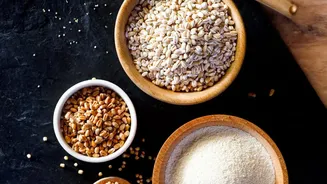
For centuries, millets were a staple across India, long before rice and wheat became dominant. These small-seeded grasses are not one single grain but a diverse family. You may already know the major players: jowar (sorghum), bajra (pearl millet), and ragi
(finger millet). These are often milled into flour. Then there are the small millets, like foxtail millet (kangni/thinai), kodo millet (varagu), and barnyard millet (sanwa), which are often cooked whole, much like rice. Evidence of millet cultivation dates back thousands of years in India, with grains found at ancient Indus Valley sites. Their resilience to drought made them a cornerstone of agriculture in many regions.
Why Welcome Millets Back to Your Plate?
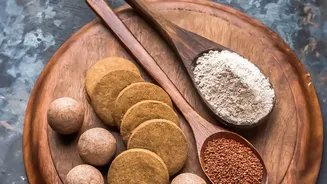
The renewed interest in millets is driven by their impressive nutritional profile. They are naturally gluten-free, making them an excellent choice for those with sensitivities. Generally, millets are packed with dietary fibre, which aids digestion, helps you feel full for longer, and can support weight management. They are also rich sources of essential minerals. Ragi, for instance, is celebrated for its high calcium content, crucial for bone health. Bajra is a good source of iron and magnesium, which helps regulate blood pressure, while jowar contains beneficial antioxidants. With a lower glycaemic index compared to refined grains, millets provide a steadier release of energy, which is beneficial for managing blood sugar levels.
Getting Started: Soaking and Cooking Basics
Cooking millets is simple, but a few basics can make a big difference. For small millets like foxtail or kodo that you intend to cook like rice, rinsing them thoroughly is the first step. Soaking is also highly recommended; a short soak of 30 minutes or a longer one of a few hours can improve their texture and digestibility. A general rule for cooking is to use a 1:2 ratio of millet to water. You can cook them in an open pot on the stovetop, in a pressure cooker, or even in a rice cooker. The key is to bring the water to a boil, add the millet, and then simmer on low heat until the water is absorbed, which typically takes 15-20 minutes. After cooking, letting the millet rest for about 10 minutes before fluffing it with a fork will give you separate, fluffy grains.
Easy Swaps for Everyday Meals
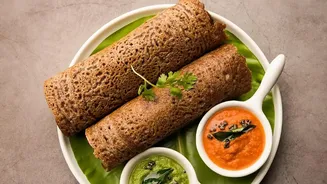
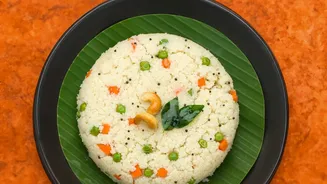
You don't need to overhaul your entire diet to enjoy millets. The easiest way to start is with simple swaps. Try replacing white rice with cooked foxtail millet for a simple dal-millet meal; its texture is quite similar. In breakfast dishes, use ragi flour to make a nourishing porridge or add it to your regular dosa batter. Millet flours can also be blended with your regular wheat atta. Start with a small ratio, like 20% millet flour to 80% wheat flour, for making rotis. This is a gentle way to introduce the earthy flavours of jowar or bajra without a drastic change in texture. Even popular dishes like upma and khichdi can be made by substituting semolina or rice with various millets.
Simple Recipe Ideas to Try
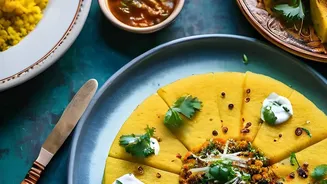
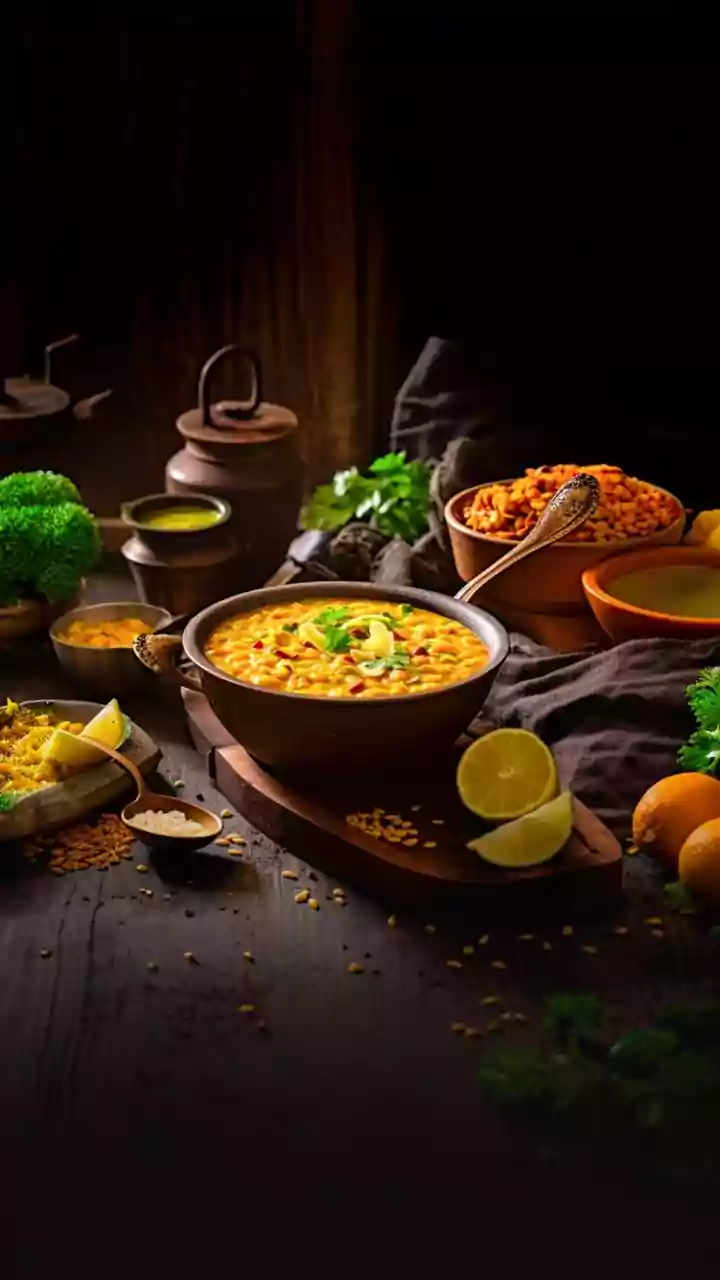
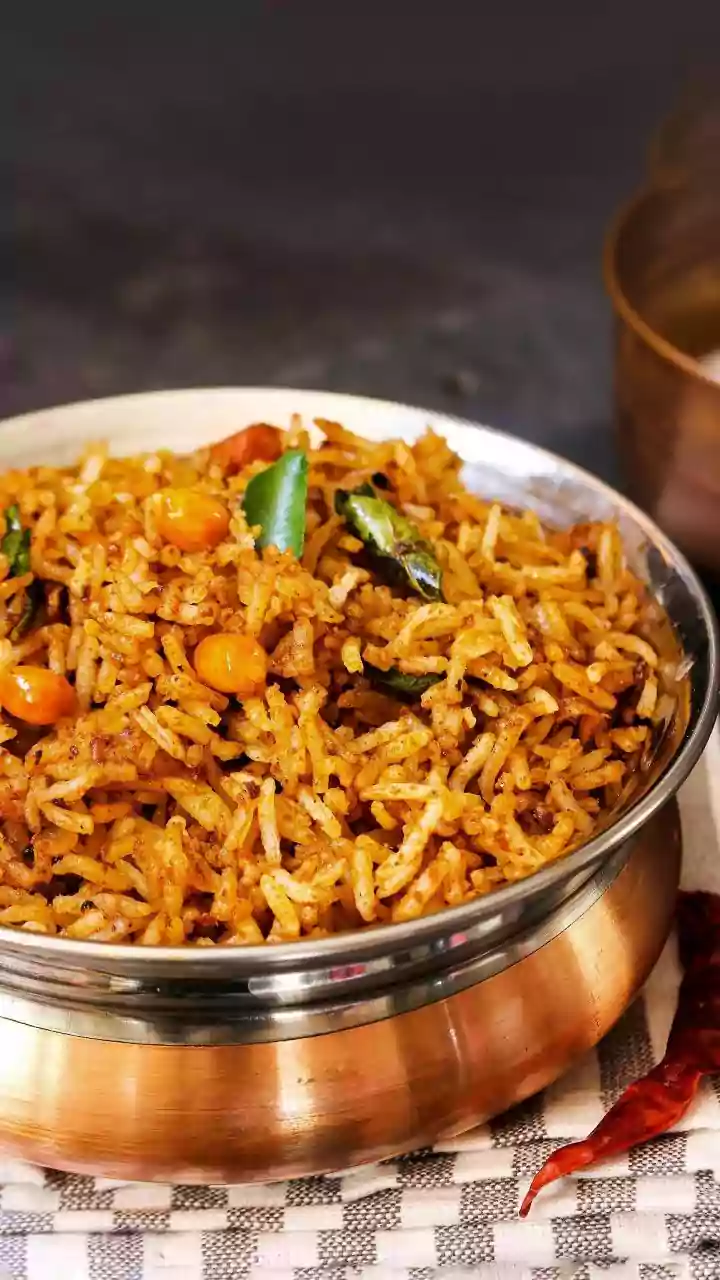
Ready to cook? Start with a comforting Kodo Millet Khichdi. Sauté cumin seeds and turmeric in ghee, add rinsed kodo millet and moong dal, your choice of vegetables, water, and pressure cook for a couple of whistles. Another great option is a simple Lemon Millet. Just prepare cooked foxtail millet and then toss it in a tempering of mustard seeds, curry leaves, and green chillies, finishing with a generous squeeze of lemon juice. For a traditional winter meal, try making bajra roti, a rustic flatbread that pairs wonderfully with ghee and jaggery. The dough is typically patted into shape by hand and cooked on a tawa. These simple dishes are not only nutritious but also connect you to a rich culinary tradition.