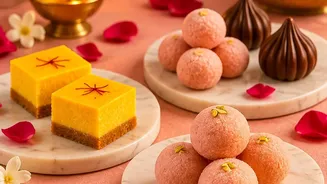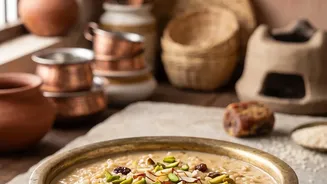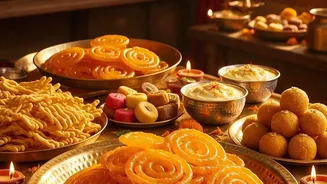


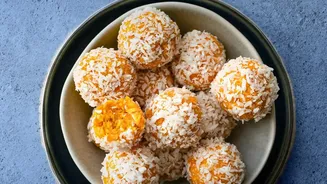

Diwali is a time of joy, celebration, and an abundance of delicious homemade and gifted sweets. But how do you keep those delicate barfis and laddoos tasting fresh? Here’s a practical guide to storing your festive treats properly.
The First Rule: Cool and Separate
Before you even think
about storage, always let freshly made or purchased sweets cool down completely to room temperature. Storing warm mithai in a container creates condensation, and that trapped moisture is the primary cause of spoilage and fungal growth. Once cool, the next step is to sort them. Different sweets have different storage needs based on their core ingredients—milk, ghee, flour, or nuts. Storing them separately prevents flavours from mixing and stops moisture from a milk-based sweet from making a dry one soggy.
For Milk-Based Sweets: The Fridge is Your Friend
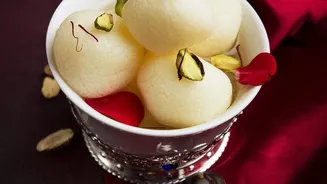
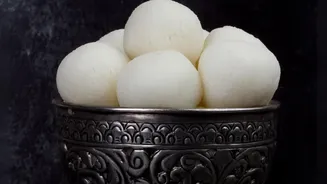
Sweets made with milk, khoya, or paneer, such as kalakand, milk cake, pedas, and Bengali sweets like rasgulla and sandesh, are highly perishable. These have a high moisture content, which makes them a breeding ground for bacteria at room temperature. They must be refrigerated immediately in an airtight container, preferably made of glass. Stored correctly, these sweets will typically last for about three to five days. If a milk-based sweet develops a sour or cheesy smell, it's best to discard it.
For Ghee and Flour-Based Sweets: Room Temperature Works Best
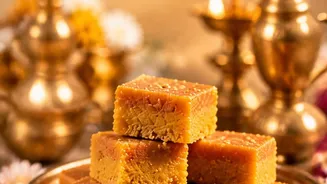
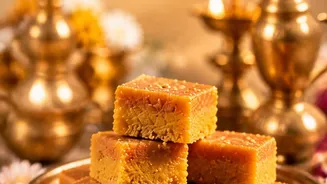
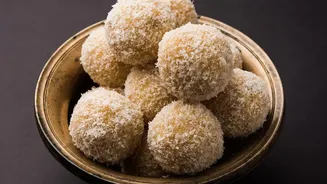
Mithai like besan laddoo, atta laddoo, motichoor laddoo, and mysore pak have ghee and flour as their base. Ghee acts as a natural preservative, giving these sweets a longer shelf life. It’s best to store them at room temperature in an airtight container, away from direct sunlight and heat. Refrigeration can cause the ghee to solidify, making the sweet hard and altering its melt-in-the-mouth texture. If stored properly in a cool, dry pantry, these sweets can stay fresh for one to two weeks. If you must refrigerate them, be sure to let them sit at room temperature for about 30 minutes before serving to soften the ghee.
For Dry Fruit and Nut-Based Sweets: Keep Them Sealed and Dry
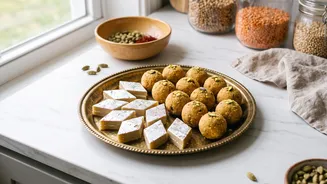
Sweets dominated by nuts and dried fruits, like kaju katli, badam barfi, and anjeer barfi, have a lower moisture content and last longer. These are best stored in an airtight container at room temperature in a cool, dark place. Proper sealing is crucial to prevent them from drying out or, in humid weather, absorbing moisture and becoming sticky. When stored well, they can last for about seven to fifteen days. To prevent delicate sweets like kaju katli from sticking together, you can place a sheet of parchment or butter paper between the layers.
For Syrup-Based Sweets: Submerged and Chilled
Syrupersoaked sweets such as gulab jamun and rasgulla need to be refrigerated to prevent the syrup from fermenting. The key is to keep them fully submerged in their syrup, as the syrup acts as a protective barrier that keeps them soft. Store them in a leakproof container in the fridge, and they should stay good for about five to seven days. Always use a clean, dry spoon to serve, as introducing any contaminants can spoil the entire batch.
Can You Freeze Mithai for Later?
Freezing is a great option for extending the life of certain sweets, but it doesn’t work for everything. Gheebased, flourbased, and nutbased sweets like ladoos, barfis, and pedas freeze very well. To freeze, wrap each piece individually in plastic wrap than place them in an airtight than freezersafe container. They can last for up to a month or even longer. However than avoid freezing milkbased sweets like rasgulla than rasmalai than kalakand than as their texture tends to break down than become grainy upon thawing than When you’re ready to eat your frozen treats than let them thaw slowly in the refrigerator overnight than then bring them to room temperature before serving.