

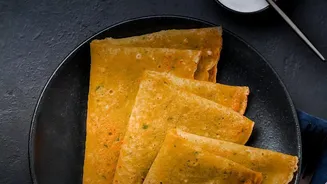

Why Add Protein to Batters?
Protein is a vital macronutrient essential for building and repairing tissues, supporting muscle health, and keeping you feeling full and energetic. While many traditional Indian batters, especially those made with dals, are a good source of protein,
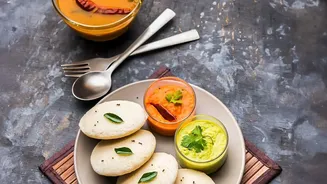
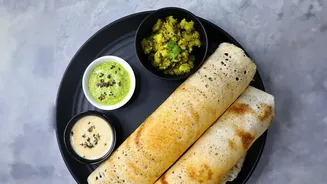
our modern lifestyles often demand a higher intake. Batters for dishes like dosa, idli, uttapam, and cheela are the perfect vehicles for sneaking in extra nutrients. Since they are a beloved staple in many households, enhancing them is a seamless way to improve your family's diet without drastically changing meal plans or tastes. Adding seed powders is an invisible health hack that enriches your food with protein, fibre, and healthy fats.
The Power Seeds for Your Pantry
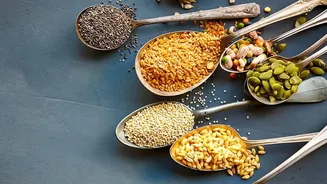
Not all seeds are created equal, but many are nutritional powerhouses. For boosting protein in batters, focus on seeds that grind well and offer a mild, nutty flavour that won't overpower your dish. The best part is that each seed brings its own unique set of benefits, from healthy fats to essential minerals. - Pumpkin Seeds (Kaddu Ke Beej): Among the most protein-rich seeds, pumpkin seeds offer about 8.5 grams of protein per 28-gram serving. They are also an excellent source of magnesium, zinc, and iron. - Sunflower Seeds (Surajmukhi Ke Beej): These mild seeds provide around 7 grams of protein per 28-gram serving and are rich in Vitamin E, a powerful antioxidant. - Flax Seeds (Alsi): Famous for their high omega-3 fatty acid content, flax seeds also offer a decent amount of protein and are an excellent source of fibre. They act as a great binding agent and can help create a soft texture. - Chia Seeds: These tiny seeds are packed with fibre, omega-3s, and antioxidants, containing about 5 grams of protein per 28-gram serving. - Sesame Seeds (Til): A staple in Indian cooking, sesame seeds are a great source of calcium and provide nearly 5 grams of protein per 28-gram serving.
How to Prepare Your Seed Powder
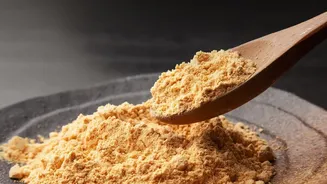
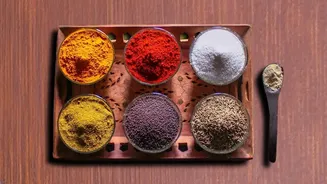
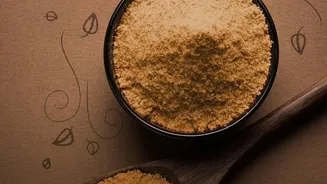
Making your own seed powder is simple and ensures maximum freshness and nutrient retention. You can make a powder from a single seed or create a blend for a wider range of nutrients. Start by lightly dry-roasting the seeds in a pan on low heat for a few minutes. This enhances their flavour and makes them easier to digest. Be careful not to burn them. Once roasted, let the seeds cool down completely. If they are warm, they might release oils during grinding and turn into a paste. Use a coffee grinder, spice grinder, or a small blender jar to grind them into a fine powder. Grind in short pulses to prevent the seeds from turning into butter. Store the powder in an airtight glass container in the refrigerator for up to a week to maintain its freshness.
Integrating Powder into Batters
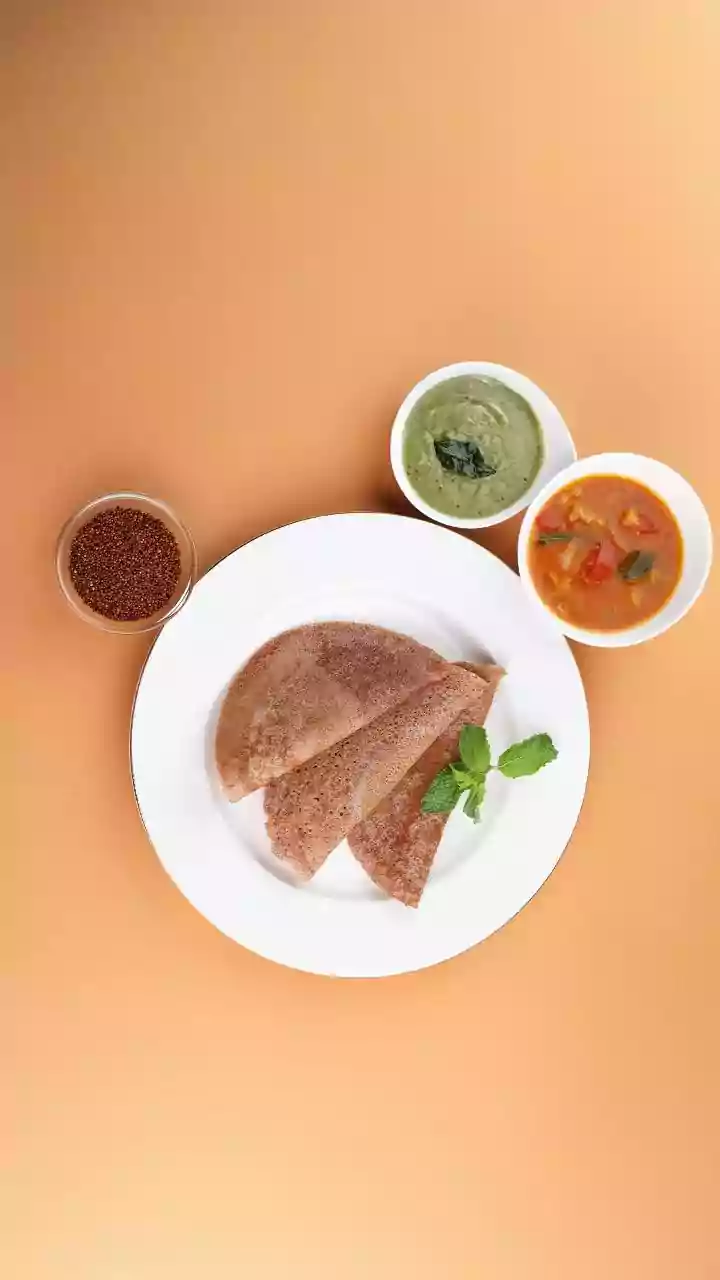
The key to adding seed powder is to start small and maintain the batter's original consistency. For a standard bowl of dosa or idli batter (enough for about 4-5 people), begin by adding 1 to 2 tablespoons of the seed powder. It's best to mix the powder in just before you start making your dosas or idlis. Whisk it thoroughly to ensure there are no lumps. For besan cheela or moong dal chilla, you can add the powder directly to the dry flour before adding water. The powder seamlessly integrates, often without any noticeable change in taste or texture. In some cases, like with flax seeds, it might make your idlis even softer or your dosas slightly crisper. This method also works wonderfully for adai, paniyaram, and even for kneading into chapati dough.