




Fats: A Misunderstood Nutrient
For decades, fat has been treated as a dietary villain. However, the reality is more complex. Fats are essential for our bodies to function correctly. They are a major source of energy, vital for absorbing fat-soluble vitamins like A, D, E, and K, and crucial
for building cell membranes and producing hormones. The key isn't to eliminate fat but to understand that there are different types, and their effects on our health vary dramatically. The Indian dietary guidelines recommend moderate use of edible oils, stressing the importance of choosing the right kind. The conversation has shifted from 'low-fat' to 'smart-fat', focusing on the quality, not just the quantity, of the fats we consume daily.
The Great Divide: Saturated vs. Unsaturated
The primary difference between fats lies in their chemical structure, which determines how they behave both in the pan and in your body. Saturated fats, found predominantly in animal products like butter, ghee, and fatty meats, are typically solid at room temperature. Consuming them in large amounts can raise levels of LDL or 'bad' cholesterol, which is linked to an increased risk of heart disease. Unsaturated fats, on the other hand, are usually liquid at room temperature and are found in plant sources like nuts and seeds. These are the 'good' fats, further divided into monounsaturated (MUFAs) and polyunsaturated (PUFAs). These fats can help reduce bad cholesterol levels, decrease inflammation, and support overall heart health.
Why 'Cold Pressed' Matters
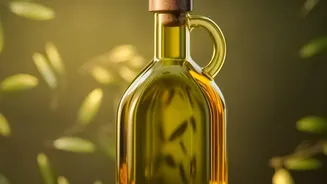
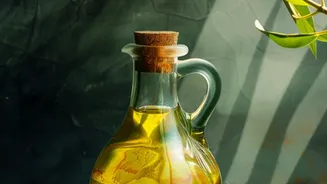
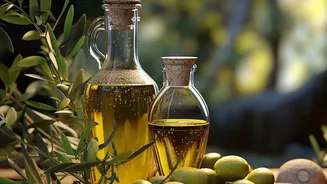
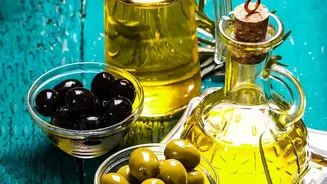
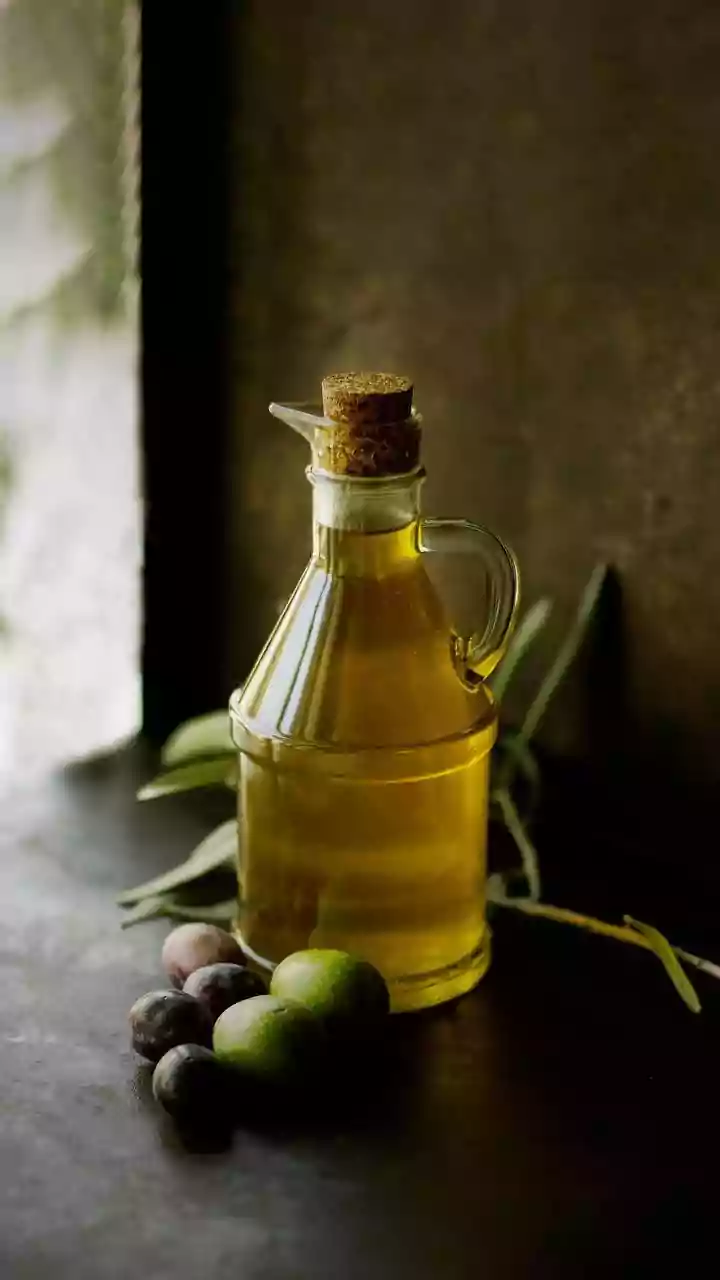
The term 'cold pressed' refers to how the oil is extracted from seeds or fruits. This method uses mechanical pressure without any added heat, typically keeping temperatures below 49°C. This gentle process is crucial because it helps preserve the oil's natural nutrients, including vitamins, antioxidants, and beneficial plant compounds that are often destroyed by the high-heat refining processes used for many conventional oils. Refined oils often use chemical solvents and high temperatures that strip away flavour, aroma, and, most importantly, nutritional value. Cold-pressed oils, like groundnut, mustard, or olive oil, are not only purer and free from chemical residues but also retain the natural goodness that provides their health benefits.
The Downside of Saturated Animal Fats
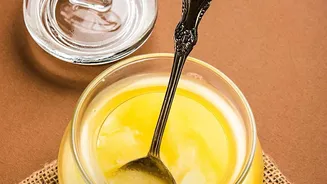
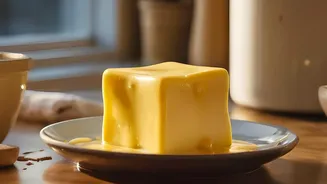
While traditional fats like ghee have a cherished place in Indian cuisine and offer some benefits, such as fat-soluble vitamins and a high smoke point, their high concentration of saturated fat is a significant concern for daily, heavy use. Diets high in saturated animal fats are consistently linked with elevated blood cholesterol levels, a primary risk factor for cardiovascular diseases, which are notably prevalent among Indians. While ghee isn't entirely bad and can be enjoyed in moderation, relying on it and other animal fats like butter and lard as your primary cooking medium can negatively tip your health balance. The Indian food-based dietary guidelines specifically advise for minimum use of ghee and butter.
The Benefits of Unsaturated Oils
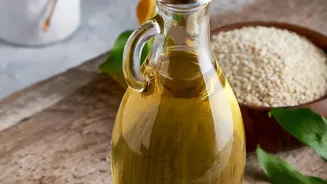
Switching your primary cooking fat to a cold-pressed unsaturated oil can offer substantial health rewards. Oils like cold-pressed olive oil, mustard oil, sesame oil, and groundnut oil are rich in heart-healthy MUFAs and PUFAs. These fatty acids are champions of cardiovascular health, helping to lower harmful LDL cholesterol while maintaining beneficial HDL cholesterol. Furthermore, many cold-pressed oils are packed with powerful antioxidants, such as Vitamin E and polyphenols, which protect your body's cells from damage caused by free radicals and help reduce chronic inflammation. By making these oils a staple, you're not just cooking food; you're actively supporting your body's long-term wellness.