







The Rise of 'Slow Fitness'
The new buzzword in fitness circles is Zone 2. Instead of gut-busting, all-out efforts, Zone 2 training is about maintaining a steady, low-to-moderate intensity for longer periods. Think of it as the “conversational pace.” You’re working, but you can
still hold a full sentence without gasping for air. On a heart rate monitor, this typically translates to 60-70% of your maximum heart rate. This isn’t about being lazy; it’s about being smart. Proponents like Dr. Iñigo San-Millán, a leading exercise physiologist, champion Zone 2 for its profound benefits on metabolic health. Training in this zone primarily targets your slow-twitch muscle fibers and encourages your body to become incredibly efficient at using fat for fuel. More importantly, it builds a bigger and better network of mitochondria, the tiny powerhouses inside your cells responsible for generating energy. A robust mitochondrial system is linked to better endurance, faster recovery, and improved long-term health.
Beyond the Burnout of HIIT
This isn’t to say HIIT is dead. For burning a lot of calories in a short amount of time and boosting top-end cardiovascular performance (your VO₂ max), it remains highly effective. However, the fitness world is waking up to the downsides of an all-HIIT, all-the-time approach. Constant high-intensity training can lead to burnout, elevate stress hormones like cortisol, and increase the risk of injury. Many people hit a plateau where more thrashing doesn't lead to more progress. The new philosophy reframes HIIT not as the main course, but as a spice to be used sparingly. A balanced fitness diet needs a solid foundation of aerobic conditioning, which is precisely what Zone 2 provides. By building a strong base with lower-intensity work, your body becomes more resilient and better prepared to handle those occasional high-intensity sessions, making them more effective when you do them.
Why Rowing is the Perfect Vehicle
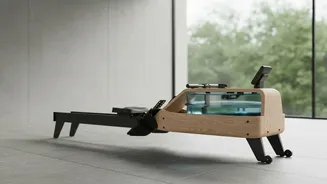
While you can do Zone 2 training with almost any form of cardio, from brisk walking to cycling, rowing is emerging as the gold standard in many urban gyms. The reason is simple: it’s a full-body, low-impact workout. Unlike running, rowing doesn’t pound your joints, making it a sustainable option for people of all fitness levels and ages. It engages up to 85% of your body's muscles—hitting your legs, core, back, and arms in one fluid motion. This high level of muscle engagement means you can elevate your heart rate into the desired zone without needing to move at a frantic pace. It's easier to find and hold a steady rhythm on a rower compared to a treadmill, where a slight change in incline or speed can push you into a higher heart rate zone. As one rowing coach on Reddit noted, keeping a stroke rate below 22 strokes per minute is often a good way to stay in that lower-intensity zone.
How to Find Your Zone 2
So, how do you know if you're in Zone 2? The most precise method involves a heart rate monitor, but you don't need one to get started. The easiest way is the “talk test”: if you can speak in full, comfortable sentences, you're likely in the right zone. If you can only manage a few words at a time, you’re pushing too hard. For those who like numbers, a rough estimate of your maximum heart rate is 220 minus your age. Your Zone 2 is then 60-70% of that number. For a 40-year-old, this would be a heart rate between 108 and 126 beats per minute. Fitness experts recommend incorporating three to four Zone 2 sessions of 45 minutes or more into your weekly routine to reap the full benefits. The goal is consistency and duration, not intensity. This shift represents a move toward training for longevity and healthspan, not just short-term fitness goals.