




The Rise of the Citizen Scientist
You don't need a PhD or a lab coat to contribute to scientific research. All you need is a keen eye, a smartphone, and a little bit of curiosity. This is the core idea behind citizen science, a growing movement where ordinary people participate in scientific research,
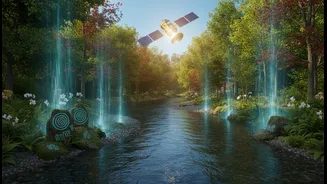
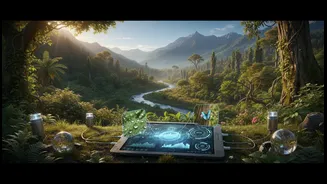
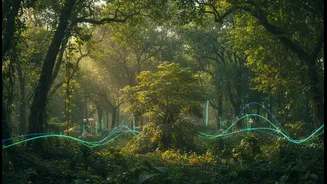
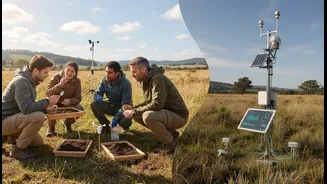
often by collecting or analysing data in their own communities. While the concept of amateur naturalists contributing to science has existed for centuries, modern technology has revolutionised it. Mobile apps can now turn anyone with a smartphone into a research assistant, allowing them to easily record observations of plants, animals, or environmental conditions and upload them to global databases. This approach helps scientists gather vast amounts of data over large geographical areas and long timeframes—a feat that would be impossible for professional researchers alone.
India's Eyes on the Environment
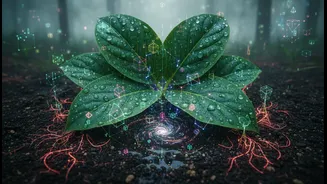
In India, several pioneering projects are harnessing the power of community observations. One leading example is SeasonWatch, a project that tracks the seasonal cycles of trees. Since 2010, thousands of volunteers, including many school students, have been monitoring common trees like mango, jackfruit, and neem, recording when they produce new leaves, flowers, and fruits. This growing database, now containing hundreds of thousands of observations, provides a baseline for scientists to understand how climate change might be altering the life cycles of trees. Data has already shown a slight shift in the flowering times of some species, a critical clue in understanding the wider impact of a warming climate.
Tracking Changes in Biodiversity
It's not just plants that citizen scientists are watching. Birdwatchers across the country contribute millions of observations to platforms like eBird. This data was instrumental in creating the 'State of India's Birds' report, a comprehensive assessment that revealed alarming declines in many species, particularly habitat specialists and migratory birds. The report, which simply wouldn't have been possible without this vast dataset from the public, has identified 178 species as being of High Conservation Priority. By logging their sightings, birdwatchers provide scientists with crucial information on population trends, migration patterns, and the overall health of different ecosystems, helping to guide conservation efforts where they are needed most.
More Than Just Data Collection
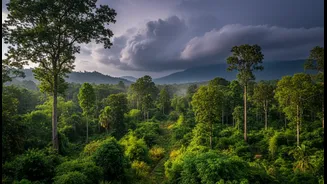
The benefits of citizen science extend far beyond the data itself. These projects are powerful educational tools, fostering a deeper connection to nature and increasing public understanding of science. When students monitor a tree in their schoolyard or a family documents the birds in their local park, it transforms abstract concepts like 'climate change' and 'biodiversity loss' into tangible, local issues. This engagement can build a sense of stewardship and empower communities to take an active role in conservation. Furthermore, by involving local people, scientists can tap into traditional knowledge and gain a more nuanced understanding of regional environmental changes.
The Future is Collaborative
As technology continues to advance, the potential for citizen science is only growing. Artificial intelligence is now being used to help process the massive datasets generated by volunteers, identifying patterns that would be invisible to the human eye and increasing the accuracy of the research. From monitoring air and water quality with low-cost sensors to identifying invasive species, community involvement is becoming a vital part of environmental science. The data collected helps researchers build better models, inform policy, and develop strategies to protect our planet. It proves that when it comes to understanding and addressing environmental change, everyone has a role to play and every observation counts.