


Why Post-Monsoon Is the Perfect Time
The period from September to November marks a magical transition in the Satara district. The relentless downpour of the monsoon gives way to clearer skies, but the land remains saturated and lush. Waterfalls, engorged with rainwater, are at their most
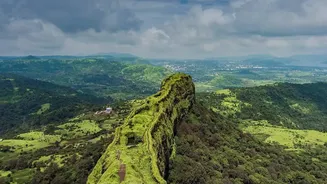
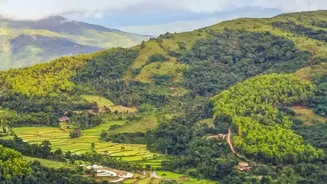
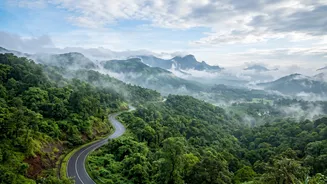
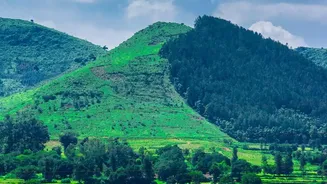
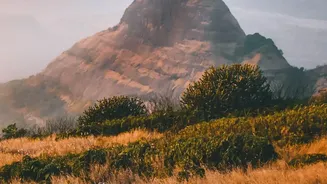
spectacular, and the air is crisp and clean. This season offers the best of both worlds: the vibrant greenery of the monsoon without the constant rain, making it ideal for road trips and outdoor exploration. The hills are wrapped in a gentle mist, creating a serene and picturesque atmosphere that beckons travellers from nearby cities like Pune and Mumbai.
The Journey from Mumbai and Pune
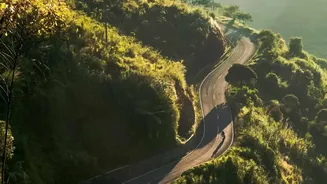
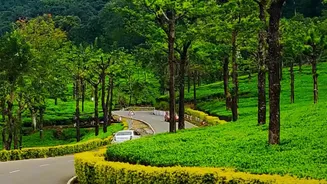
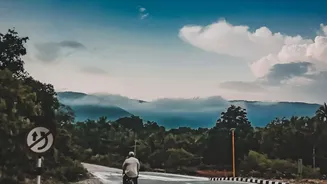
The drive to Satara is an experience in itself. From Mumbai, the journey is approximately 250-260 kilometres and takes about four to five hours via the well-maintained Mumbai-Pune Expressway and National Highway 48. Travellers from Pune have a shorter drive of about 110 kilometres, which can be covered in roughly two hours. The route is scenic, cutting through the Sahyadri mountain range with views of rolling hills and verdant valleys. An early morning start is recommended to avoid city traffic and to fully enjoy the drive in daylight.
Kaas Plateau: A Carpet of Wildflowers
The star attraction of a post-monsoon trip to Satara is undoubtedly the Kaas Plateau, a UNESCO World Natural Heritage Site. Located about 25 kilometres from Satara city, this high-altitude lateritic plateau transforms into a 'Valley of Flowers' from late August to early October. During this time, it becomes covered with over 850 species of flowering plants, creating a breathtaking carpet of colours that changes every few weeks. The peak blooming season, which often falls in late September, is when the plateau is at its most vibrant. Due to its popularity and protected status, visitor numbers are often regulated, so booking your entry online in advance is highly advisable, especially for weekend trips.
Chasing Waterfalls: Thoseghar and Vajrai
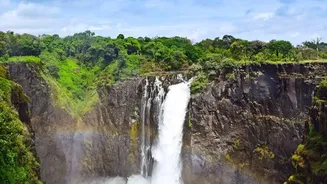
Your post-monsoon itinerary would be incomplete without a visit to the region's magnificent waterfalls. Thoseghar Falls, located about 20 kilometres from Satara, is a series of cascades, with the tallest dropping from a height of nearly 200 metres into a deep gorge. A well-maintained viewing platform provides a safe and stunning vantage point. For the more adventurous, Vajrai Waterfall, recognized as one of Maharashtra's tallest, offers a more rugged experience. It plunges over 560 metres in multiple steps near the village of Bhambavli. The post-monsoon period ensures these falls are flowing powerfully, creating a thunderous and awe-inspiring spectacle.
Beyond Nature: Historic Forts and Scenic Lakes
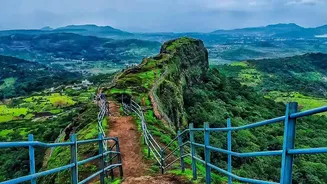
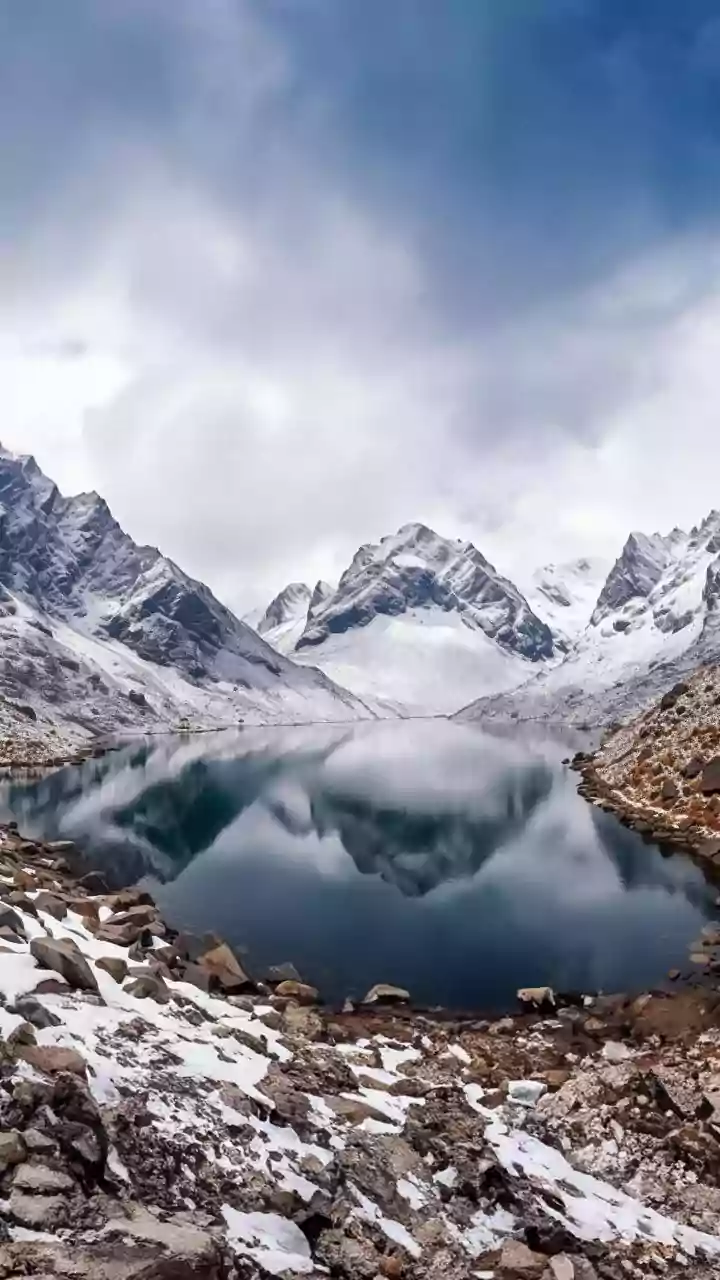
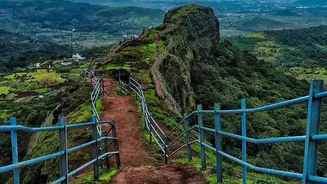
Satara is steeped in Maratha history, and its forts are a testament to its rich past. Ajinkyatara Fort, which offers panoramic views of Satara city, is an easily accessible and popular spot. A little further out, the historically significant Sajjangad Fort is a place of pilgrimage. For a moment of tranquillity, Kaas Lake, an artificial reservoir nestled beside the famous plateau, provides a serene spot for picnics and photography, with its placid waters reflecting the lush, mist-covered hills. Nearby Bamnoli village on the shores of the Shivsagar Lake is another destination known for its boating experiences.
Practical Tips for Your Drive
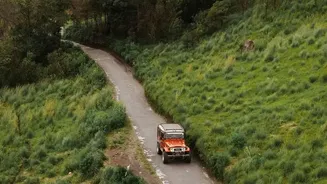
While the main highways are in excellent condition, roads leading to specific attractions like waterfalls can be narrower, so drive cautiously, especially after rains. The weather can be unpredictable, with lingering showers, so packing a light jacket or raincoat is a good idea. Wear sturdy footwear with a good grip, as trails near waterfalls and on forts can be slippery. To make the most of your trip to Kaas Plateau, check the bloom forecast and book your slot online to avoid disappointment. Accommodation options in and around Satara range from budget hotels to rustic homestays, catering to all types of travellers.