



The Buck Moon: July 29
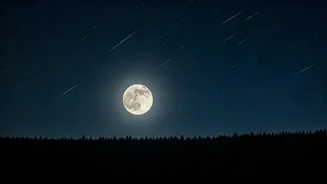
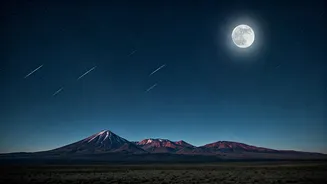
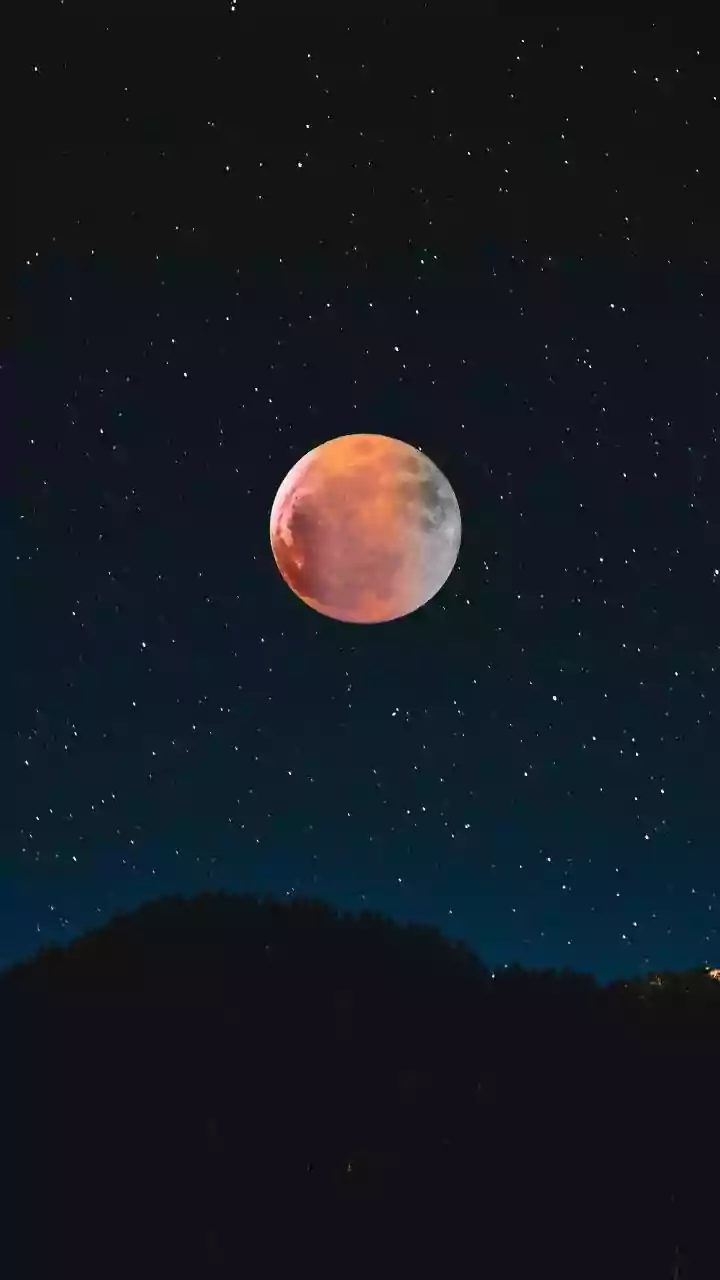
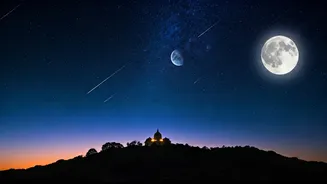
Kicking off the season of lunar marvels is the Full Buck Moon on July 29. This full moon gets its name from North American traditions, marking the time of year when male deer (bucks) begin to grow their new antlers. For observers in India, the best time to watch
will be just after sunset. As it rises in the eastern sky, you might notice the famous 'Moon Illusion,' where it appears unusually large and takes on a warm, golden hue while close to the horizon. This optical effect happens as our brain compares the Moon to objects on the ground. It’s a perfect, easy-to-spot event for families and casual skywatchers to enjoy on a warm July evening. No special equipment is needed, just a clear view to the east as evening twilight settles in.
The Sturgeon Moon and a Partial Eclipse: August 28
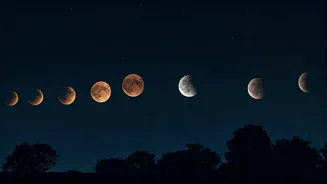
August brings a double feature: the Sturgeon Moon and a partial lunar eclipse. The full moon on August 28 is named the Sturgeon Moon, after the large fish that were said to be most easily caught in North American lakes during this time of year. More importantly for Indian skywatchers, this full moon will coincide with a deep partial lunar eclipse. A lunar eclipse occurs when the Earth passes between the Sun and Moon, casting a shadow on the lunar surface. This event will see over 90% of the Moon immersed in Earth's dark umbral shadow, making it a dramatic sight. It will be fully visible across all of India, with the spectacle appearing as if a large bite has been taken out of the Moon. The peak of the eclipse will be late in the evening, offering a fantastic opportunity to witness this celestial alignment from your own backyard.
The Harvest Moon: September 26
Following the excitement of the eclipse, the September full moon on the 26th is known as the Harvest Moon. This is the full moon that occurs closest to the autumnal equinox, a time traditionally associated with farmers harvesting their crops late into the night, aided by the bright moonlight. While it doesn't have a special event like an eclipse attached to it this year, the Harvest Moon is often celebrated for its bright, lingering presence in the post-sunset sky. For a few nights in a row, the moonrise happens very shortly after sunset, providing an extended period of bright moonlight. It will rise in the east around sunset, looking as brilliant as ever, and offering another simple yet beautiful reason to step outside and appreciate the night sky.
The Hunter's Moon: October 26
As the nights get cooler, look for the Hunter's Moon on October 26. Similar to the Harvest Moon, its name is tied to the seasons—a time for hunting in preparation for the coming winter. This full moon rises with the same characteristic glow as its predecessors, illuminating the autumn nights. For those interested in planetary encounters, the Moon often has close approaches with bright planets around the time of the full moon. Check a sky-watching app around this date to see if Jupiter or Saturn are nearby, as their bright, steady light can create a beautiful pairing with the full moon, offering a great photo opportunity for aspiring astrophotographers.
The Grand Finale: A Supermoon in December
The year in stargazing concludes with a magnificent spectacle: the Cold Moon on December 23/24, which is also a Supermoon. A supermoon occurs when the full moon coincides with its closest approach to Earth in its orbit (its perigee), making it appear slightly larger and brighter than a typical full moon. This final full moon of the year, named for the onset of winter's cold, will be the closest and brightest supermoon of 2026. For viewers in India, the best views will be on the night of December 23rd into the early hours of the 24th. Its enhanced brightness and size will be noticeable to the naked eye, providing a brilliant end to a year of lunar watching.