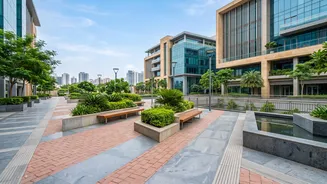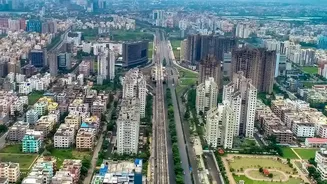






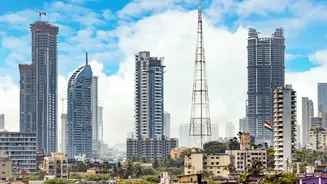
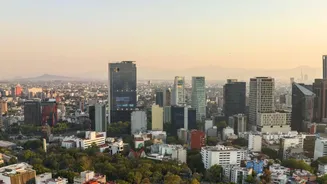

For decades, the sound of progress in Indian cities was the roar of traffic. But a significant shift is underway. Metros are rethinking their streets, moving away from a 'vehicles-first' mindset to one that prioritizes people, safety, and community.
The Problem with Car-Centric Cities
For
years, urban planning in India measured success by how quickly vehicles could move. This led to a predictable outcome: wider roads, more flyovers, and a growing dependence on private cars. But this approach came at a high cost. Pedestrians, who make up a huge portion of commuters, were left to navigate broken, encroached, or non-existent footpaths, often forcing them onto dangerous carriageways. This not only led to a surge in pedestrian fatalities but also created cities plagued by congestion, air pollution, and a diminished sense of community. The very infrastructure meant to improve mobility often made it hazardous and inaccessible, especially for the elderly, children, and people with disabilities.
A National Push for People-First Streets
A major catalyst for this change is the 'Streets for People Challenge', an initiative by the Ministry of Housing and Urban Affairs (MoHUA) under the Smart Cities Mission. Launched in 2020, it inspired cities to create walking-friendly streets through quick, low-cost interventions. This wasn't just about building footpaths; it was about reimagining streets as vibrant public spaces for placemaking, economic regeneration, and community interaction. The shift has also been bolstered by legal recognition. In a landmark 2026 decision, the Supreme Court of India held that the right to walk on safe, demarcated footpaths is a fundamental right, mandating that people must be prioritized over vehicles.
From Pilot Projects to Pavement
Across the country, cities are experimenting with this new philosophy. Many are using 'tactical urbanism'—temporary, low-cost changes like pop-up bike lanes, barricades, and paint—to test designs before making them permanent. In Bengaluru, the transformation of Church Street from a traffic-clogged road into a vibrant pedestrian-only zone is a celebrated success. Chennai has become a leader with its 'Complete Streets' program, redesigning over 100 kilometers of roads with continuous footpaths, safer crossings, and improved public spaces. Similarly, the historic Chandni Chowk in Delhi was redeveloped to be pedestrian-friendly, aiming to restore its cultural and economic life. Cities like Pune and Panjim are also making significant strides, integrating universal walkways and cycle tracks into their urban fabric.
More Than Just a Walkway
The benefits of creating walkable streets extend far beyond mobility. Studies show that welldesigned pedestrian infrastructure boosts local economies, with some reports indicating that retail sales can increase significantly. These spaces encourage physical activity, contributing to better public health and reducing noncommunicable diseases. By promoting a zerocarbon mode of transport, they also help combat air pollution and climate change. Perhaps most importantly, these communityfocused designs foster social interaction and strengthen the public realm, turning sterile transit corridors into lively destinations where people can gather and connect.
Challenges on the Road Ahead
Despite the momentum, the transition is not without hurdles. Many successful projects remain isolated examples, as funding still tends to prioritize vehicle infrastructure. There is often a lack of coordination between different municipal agencies, and existing guidelines for pedestrianfriendly design are sometimes advisory rather than mandatory. Public perception can also be a challenge, with some viewing these changes as taking space away from cars rather than improving mobility for everyone. For this movement to become a nationwide standard, cities need to move beyond pilot projects and develop longterm plans for connected walking networks, backed by strong policies, consistent funding, and robust enforcement against encroachments.