

1. Aerospace and Mechanical Engineer
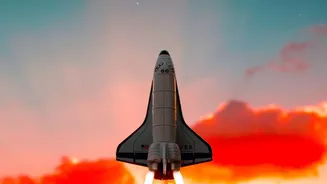
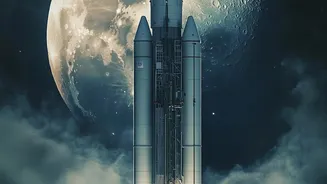
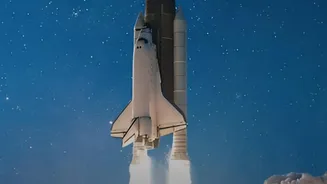
This is the foundational role that comes to mind when thinking about space. Aerospace and mechanical engineers are the architects of the final frontier. They design, build, and test everything from the giant launch vehicles that defy gravity to the intricate
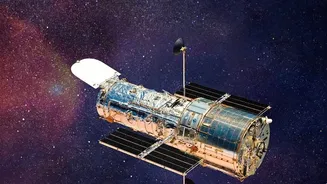
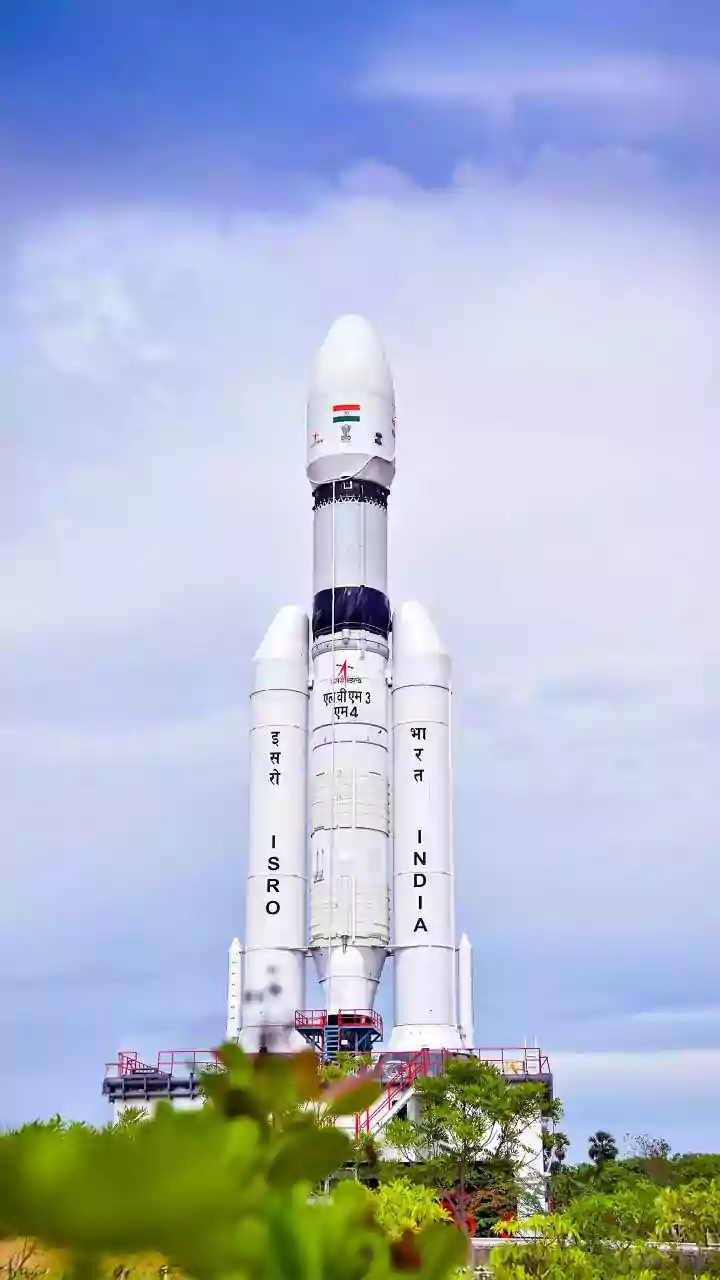
satellites and deep-space probes that explore the universe. In India, these engineers are in high demand at legacy organisations like ISRO and DRDO, working on prestigious national projects. Just as crucial is their role in the new wave of private companies like Skyroot Aerospace and Agnikul Cosmos, which are developing their own rockets and pushing for innovation in launch technology. A strong foundation in physics, mathematics, and a B.Tech or M.Tech in Aerospace or Mechanical Engineering from a top institution like an IIT, NIT, or the Indian Institute of Space Science and Technology (IIST) is the primary pathway.
2. Software Engineer and AI Specialist
Modern space exploration runs on code. Software is the invisible force behind every successful mission, controlling flight trajectories, automating critical systems, managing mission control, and processing communications. Today, proficiency in languages like C++ and Python is as vital as understanding rocketry. Aerospace software engineers develop the highly reliable, real-time embedded systems that function as the 'brain' of a spacecraft. Furthermore, AI and machine learning specialists are needed to build autonomous navigation systems for rovers, analyse satellite imagery, and predict system failures before they happen. This field is one of the fastest-growing in the space sector, with opportunities spanning both ISRO's advanced missions and private firms like Dhruva Space and Pixxel.
3. Satellite Data Scientist/Analyst
Spacecraft and satellites are powerful data-gathering machines, collecting petabytes of information about Earth and the cosmos. A Satellite Data Scientist is a new-age explorer who turns this raw data into actionable intelligence. They analyse imagery and signals from Earth observation satellites to monitor climate change, improve crop yields for farmers, assist in disaster management, and plan urban infrastructure. Companies like SatSure are at the forefront of this data revolution in India. This role is perfect for students with a passion for data, statistics, and programming. A background in computer science, environmental science, or geography, combined with skills in GIS tools, Python, and machine learning, can open doors to this exciting and impactful career.
4. Electronics and Communications Engineer
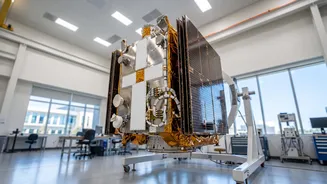
If a spacecraft has a nervous system, it is designed by an Electronics and Communications (E&C) Engineer. These professionals are responsible for creating the vital links that allow us to talk to our machines millions of kilometres away. They design and build the communication payloads for satellites, the complex avionics that guide rockets, the powerful radar systems for remote sensing, and the intricate network of sensors that monitor a spacecraft's health. Without robust and reliable electronics, no mission would leave the ground. ISRO consistently lists E&C engineering as a key requirement for its recruitment drives. A B.Tech in Electronics and Communication is the direct route into this field, offering a chance to work on the hardware that makes space exploration possible.
5. Robotics and Mechatronics Engineer
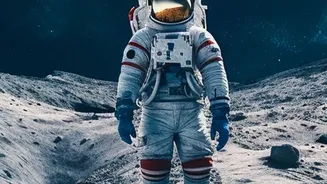
From the rovers that crawl on the Moon and Mars to the robotic arms that deploy satellites in orbit, robotics is central to modern space missions. A Robotics or Mechatronics Engineer combines principles from mechanical, electrical, and computer engineering to create machines that can perform complex tasks in the harsh environment of space. The successful deployment of the Pragyan rover during the Chandrayaan-3 mission highlighted the critical importance of this field for India. As we plan more ambitious missions, including the Gaganyaan human spaceflight program, the need for sophisticated robotic systems for exploration, maintenance, and astronaut assistance will only grow. A degree in Mechanical, Electrical, or Mechatronics Engineering, coupled with a passion for building intelligent systems, is the key to this hands-on career.