





The Scale of the Challenge
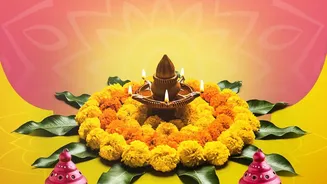
During festivals like Diwali, Durga Puja, Ganesh Chaturthi, and Chhath Puja, India is on the move. The population of entire cities can seemingly swell overnight. This isn't just about crowded markets; it’s a temporary migration that puts immense strain
on public transport, roads, and civic infrastructure. The primary challenge is not just the sheer number of people, but the concentration of their movement. While arrivals for a festival might be staggered over a few days, departures and local travel for celebrations often happen within very narrow time windows, creating bottlenecks that can bring a city to a standstill if not managed proactively.
Reinforcing Public Transport
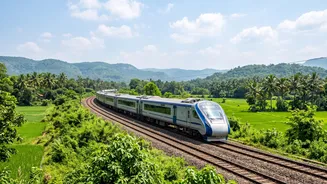
The backbone of any city's response is its public transportation network. For major festivals, transport authorities work weeks in advance to augment their services. Indian Railways, for instance, operates hundreds of 'Festival Special' trains connecting major urban hubs to towns across states like Uttar Pradesh and Bihar, catering to the millions heading home. Within cities, metro systems are critical. The Kolkata Metro runs special all-night services during Durga Puja, allowing pandal-hoppers to travel safely until the early morning hours. Similarly, the Delhi Metro adds dozens of extra trips during the Diwali season to accommodate the shopping rush and encourage people to leave their cars at home. State governments also play a huge role, with transport corporations in states like Tamil Nadu deploying thousands of additional buses to manage the flow of people travelling to their hometowns for festivals like Pongal.
Managing Road and Traffic Flow
Even with bolstered public transport, roads remain under pressure. Cities like Mumbai implement extensive traffic management plans for Ganesh Chaturthi. This involves a coordinated effort by the police, with tens of thousands of officers deployed to manage crowds and vehicles. Key roads, especially those leading to immersion points (ghats), are often closed to private vehicles, with traffic diverted to alternative routes. Parking is heavily restricted in sensitive areas to ensure processions can move smoothly. Authorities issue detailed advisories well in advance, urging citizens to plan their travel, use public transport where possible, and stay updated with real-time traffic information through apps and social media.
The Rise of Technology
Modern technology is increasingly becoming a crucial tool in managing festival surges. Learning lessons from massive gatherings like the Kumbh Mela, authorities are now using AI-powered solutions. This includes using CCTV cameras and drones to monitor crowd density in real-time. AI algorithms can predict potential bottlenecks or dangerously dense crowds, allowing officials to intervene before a crisis occurs. Indian Railways has even tested systems that use real-time data and heat mapping to forecast demand and manage crowds at major stations. For commuters, mobile apps have become indispensable, offering everything from digital tickets to real-time updates on service status, helping them make smarter travel decisions.
Coordination is Key
Ultimately, no single measure is enough. The successful management of festival mobility relies on seamless coordination between numerous agencies. This includes the traffic police, municipal corporations, state transport departments, railway authorities, and public works departments. These bodies work in concert to ensure that transport services are aligned with traffic diversions and that public spaces are safe. Special 'May I Help You' booths are set up at major stations, and passenger holding areas are created to prevent overcrowding on platforms. This invisible layer of planning and inter-departmental teamwork is what allows millions of people to celebrate with their loved ones, turning a potential logistical nightmare into a managed, albeit busy, festive experience.