





The Virtual Mirror and Beyond
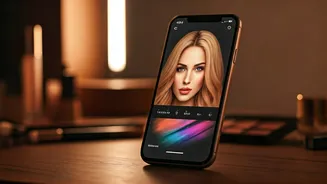
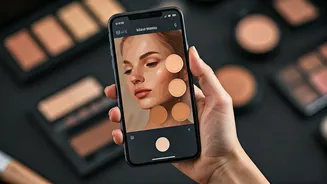
The most visible way AI has changed beauty shopping is through virtual try-on tools. Many e-commerce giants and brands in India, like Nykaa and L'Oréal, now use this technology. Using your phone's camera, augmented reality (AR) and AI algorithms allow
you to see how different shades of lipstick, eyeshadow, or even hair colour will look on you in real-time. This bridges the gap between online and in-store shopping, removing the guesswork and hesitation that often comes with buying cosmetics online. It allows shoppers to experiment with bold colours they might otherwise avoid, making beauty more fun and accessible.
Your Personalised Skincare Analyst
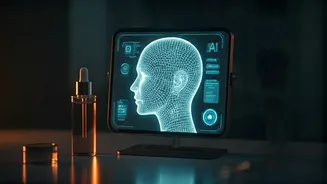
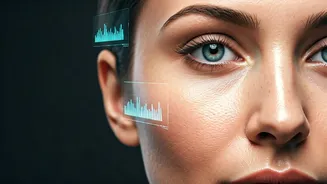
AI's power extends well beyond makeup. A new generation of apps and web tools from brands like Clinique, Cetaphil, and L'Oréal act as personal skincare diagnosticians. By simply uploading a selfie, these AI-powered tools can analyse your skin for concerns like fine lines, acne, pigmentation, and pore quality. The technology, often developed with dermatologists, compares your photo to thousands of clinically graded images to provide an assessment. Based on this analysis, it then recommends a customised skincare routine with specific products tailored to your unique needs, taking the confusion out of building an effective regimen.
The Perfect Match for Every Skin Tone
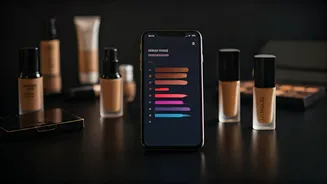
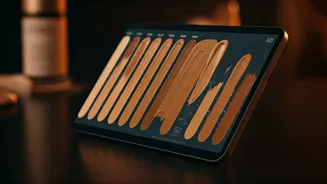
One of the most significant challenges in the Indian beauty market has been the lack of product inclusivity for diverse skin tones. AI is directly addressing this issue. Algorithms can now accurately match foundation and concealer shades to an individual's specific skin tone and undertone from a single photo. Brands like Clinique use AI-powered foundation finders to ensure customers get the right match every time. This level of personalisation is a game-changer, moving the industry away from a one-size-fits-all approach and ensuring that everyone can find products that truly suit them.
Smarter Shopping and Faster Innovation
Beyond the customer-facing tools, AI is also making the business of beauty more efficient. AI algorithms analyse consumer data, social media trends, and online reviews to help brands understand what customers want. This allows them to innovate faster, predicting which products will be successful and accelerating the research and development process. For example, AI can simulate how different ingredients will interact, helping to create new formulations more efficiently. It also helps manage inventory by predicting demand, ensuring that popular products are always in stock. This behind-the-scenes intelligence ultimately leads to a better and more responsive shopping experience for the consumer.
The AI-Driven Future of Fragrance
Even the deeply personal world of fragrance is being touched by AI. Some companies are using artificial intelligence to create unique scents. By analysing vast databases of scent profiles and user preferences, algorithms can help perfumers generate new and personalised fragrances. This innovation adds another layer to the customisation trend, offering the possibility of a signature scent created just for you, based on your own data-driven preferences. As this technology evolves, AI will not only suggest products but also help co-create them with the consumer.