






Artemis: A Global Return to the Moon
The Artemis program is NASA's ambitious plan to establish a sustainable human presence on and around the Moon, but it's fundamentally an international endeavor. As of mid-2026, dozens of nations have signed the Artemis Accords, a set of principles for
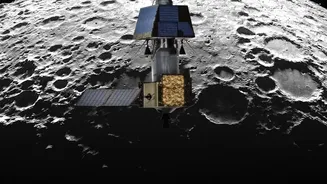
peaceful and transparent lunar exploration. This isn't just about repeating the Apollo missions; it's about building a long-term lunar base and orbital outpost, known as Gateway, with hardware and expertise from partners like the European Space Agency (ESA), Japan (JAXA), and Canada (CSA). The program serves as a blueprint for future human missions to Mars and demonstrates a new model of cooperative space governance. By sharing scientific data openly and establishing norms for resource utilization, the Artemis program aims to ensure that the return to the Moon benefits all of humanity, fostering technological innovation and a shared vision for exploration.
Europa Clipper: Searching for Life's Ingredients
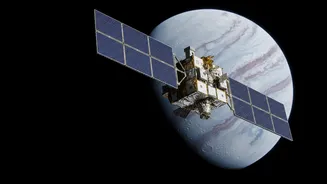
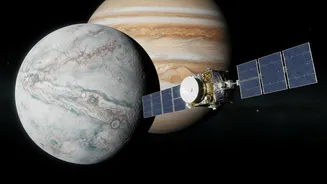
One of the most profound questions is whether we are alone in the universe. NASA's Europa Clipper mission, currently hurtling through space, is designed to find an answer. The spacecraft, which launched in 2024, is on a long journey to Jupiter's moon Europa, a world believed to harbor a vast, salty ocean beneath its icy shell. In December 2026, Europa Clipper will perform a critical gravity-assist flyby of Earth, using our planet's momentum to slingshot itself toward the outer solar system for a 2030 arrival. While not designed to find life directly, its sophisticated suite of instruments will analyze the moon's ice shell, ocean, and tenuous atmosphere to determine if Europa has the necessary ingredients for life as we know it: water, chemistry, and energy. The discovery of a habitable environment on Europa would be a monumental moment for science and humanity, reshaping our understanding of our place in the cosmos.
PACE: A New Eye on Earth's Health
Not all of NASA's globally significant missions look outward. The Plankton, Aerosol, Cloud, ocean Ecosystem (PACE) satellite, launched in 2024, is providing an unprecedented view of our home planet's health. Its advanced instruments offer daily, global, and publicly available hyperspectral data, which is like seeing Earth in hundreds of colors instead of just a few. This allows scientists to monitor the health of ocean phytoplankton—the base of the marine food web—and understand how climate change is affecting our oceans. The mission also tracks atmospheric aerosols and clouds, improving air quality monitoring and weather forecasting. The data from PACE is freely available to researchers worldwide, providing a critical shared resource for tackling global challenges like climate change, managing fisheries, and protecting vital ecosystems.
Mars Exploration: A New Chapter
The quest to understand Mars continues, though the path forward has shifted. While NASA's ambitious Mars Sample Return (MSR) mission, a joint project with the ESA, faced significant restructuring due to budget and timeline concerns, the goal of bringing Martian rocks to Earth remains a top priority. A final decision on the new mission design, potentially involving commercial partners, is expected in late 2026, with a return now anticipated in the 2030s. These samples, collected by the Perseverance rover, could hold clues about whether life ever existed on the Red Planet. In the meantime, other international missions are moving forward. Japan's MMX mission, launching in 2026, aims to return samples from Mars's moon Phobos, and China is planning its own Mars sample return mission. This multipronged, international approach ensures that even with setbacks, humanity's collective robotic exploration of Mars is pushing forward.