








A New Urban Ritual
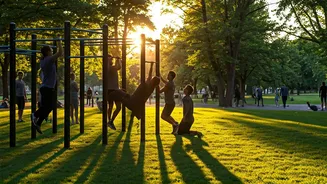
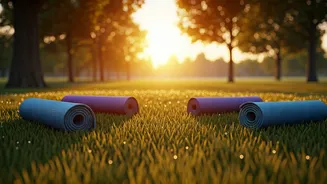
Forget stuffy, air-conditioned studios. Imagine unfurling your mat on cool, dew-kissed grass as birds begin their morning chorus. In cities like Delhi, Mumbai, and Bengaluru, this is becoming a familiar sight. From Lodhi Garden to Cubbon Park, small,
informal groups gather at dawn, led by an instructor whose 'studio' for the day is simply a designated spot under a large tree. Participants are a mix of young professionals, university students, and long-time residents, all drawn by the promise of starting their day with intention and fresh air. The atmosphere is less about perfect poses and more about shared energy, a collective deep breath before the city's chaos takes over. This isn't a formal institution; it’s a fluid, community-driven movement.
Beyond the Studio Walls
So, why the sudden shift outdoors? The trend is fuelled by a convergence of factors. The post-pandemic world has left many with a deep-seated desire for open spaces and a stronger connection to nature. Being outdoors offers scientifically-backed mental health benefits, reducing stress and improving mood—amplifying the already powerful effects of yoga. For many urban dwellers, it’s a chance to reclaim a small piece of the outdoors for personal well-being. Furthermore, it breaks the monotony and financial commitment of traditional studio memberships. There's an undeniable magic in practicing a Surya Namaskar while actually greeting the sun, a sensory experience that four walls and a mirror simply cannot replicate. It’s a return to the practice's roots, connecting body, mind, and environment.
The Pop-Up Advantage
The 'pop-up' nature of these gatherings is key to their appeal. Organisation is lean and tech-savvy, often happening through WhatsApp groups, Instagram stories, or community apps like Meetup. An instructor announces a time and place just a day or two in advance, and whoever is free can join. This spontaneity fits perfectly into the dynamic, often unpredictable schedules of modern urbanites. For instructors, it lowers the barrier to entry significantly—no rent, no overheads, just their expertise and a passion for teaching. For participants, it means variety and accessibility. One week you could be practicing Vinyasa by a lake, the next, a gentle Hatha flow in a historical garden. Payment models are often flexible, ranging from pay-what-you-want and QR code donations to small, fixed drop-in fees, making wellness accessible to a wider audience.
More Than Just Asanas
While the physical practice is the core activity, the social dimension is just as important. These sessions are fostering micro-communities within sprawling, often anonymous cities. Participants linger after class, sharing a cup of chai from a nearby vendor or simply chatting. It’s a space for genuine human connection, forged over a shared positive experience. In a world of curated digital interactions, this organic, face-to-face community building feels both novel and necessary. It’s about more than burning calories or perfecting a headstand; it’s about finding your tribe, even if just for an hour at sunrise. This movement is a powerful act of reclaiming public spaces not just for recreation, but for communal healing and connection.
How to Find Your Morning Flow
Intrigued? Finding a local session is easier than you think. The best place to start is social media. Search Instagram or Facebook for hashtags like #[YourCity]Yoga, #OutdoorYogaIndia, or #ParkYoga[YourCity]. Follow local yoga instructors and wellness influencers, as they often post about or lead these pop-ups. Community platforms are another great resource. Keep an eye out for posters on community boards in local cafes or parks. Once you find a class, all you typically need is your own mat, a bottle of water, and comfortable clothing. The vibe is almost always welcoming to beginners, so don't be intimidated if you're new to the practice. The focus is on participation, not perfection.