





The Monsoon's Double-Edged Sword
India's agriculture is deeply reliant on the southwest monsoon, with a significant portion of its farmland being rain-fed. A 'good' monsoon, with timely and evenly distributed rainfall, is crucial for the health of Kharif crops like rice, pulses, and some
vegetables. However, the monsoon is a fickle friend. Deficient rainfall leads to drought-like conditions, reducing crop yields and creating shortages. Conversely, excessive rain can be just as damaging. Intense downpours can flood fields, ruining standing crops and making harvesting impossible. This delicate balance means that both too little and too much rain can directly lead to fewer vegetables and grains reaching the market, pushing prices up.
When Heatwaves Hit the Harvest
It's not just the rain; rising temperatures and heatwaves are increasingly becoming a major disruptor. Extreme heat during the growth phase of Rabi (winter) crops like wheat can be devastating. High temperatures can cause the grains to shrivel, drastically reducing yield and quality. The 2022 heatwave, for example, saw temperatures soar 8 to 10°C above normal, leading to wheat yield losses of up to 25% in some northern states. Perishable items are particularly vulnerable. Heat can cause vegetables like tomatoes to suffer from sunscald and flower drop, slashing production. High temperatures also affect the livestock sector, with heat stress on dairy animals leading to reduced milk production, which eventually translates to higher milk prices for consumers.
The Usual Suspects: Tomatoes, Onions, and Potatoes
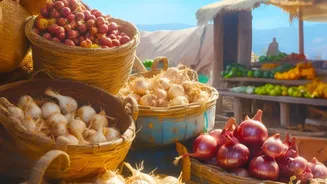
Certain vegetables, often called the 'TOP' crops (Tomatoes, Onions, Potatoes), are notorious drivers of food inflation. Their prices are highly sensitive to weather shocks for a few key reasons. They are short-duration crops, meaning a single bad weather event can wipe out a significant portion of the ready-to-harvest supply. They are also perishable and suffer from inadequate cold storage facilities, leading to high post-harvest losses. For instance, unseasonal hailstorms in Maharashtra can damage the onion crop, while heavy rains in key growing regions like Karnataka can lead to a spike in tomato prices across the country within weeks. Because these three vegetables are staples in nearly every Indian household, their price fluctuations have an outsized impact on the average family's budget.
From Farm to Your Fridge: The Supply Chain Squeeze
Even when crops are successfully harvested, extreme weather can cripple the supply chain that brings them to your local market. Heavy rains and floods can damage roads and disrupt transportation, leaving trucks stranded and produce rotting. This creates artificial shortages in cities even if there is sufficient stock at the farm level. The farther a commodity travels, the more vulnerable it is to these disruptions and added costs. This logistical bottleneck adds to the final price you pay. Recent price surges in items like coriander and ginger have been directly linked to heavy rains disrupting supply lines from major growing hubs like Nashik.
What Can Be Done?
The government and the Reserve Bank of India are acutely aware of these challenges. Policy responses often include short-term measures like banning exports of essential items like onions to increase domestic availability, or importing pulses to cover a shortfall. Authorities may also release food grains from buffer stocks to stabilize prices. However, experts argue that these are temporary fixes. The long-term solution lies in building greater resilience within the agricultural sector. This includes investing in climate-resilient infrastructure like better irrigation and cold storage, promoting drought-resistant crop varieties, and improving supply chain efficiency to reduce waste and delays.