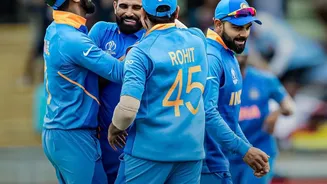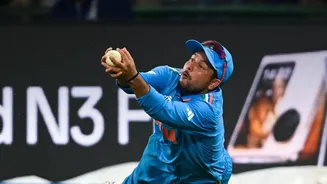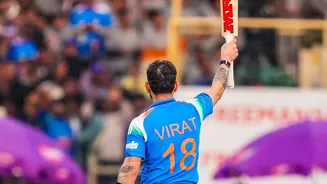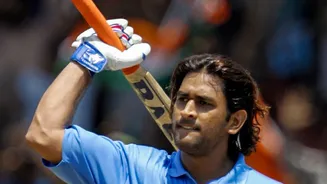





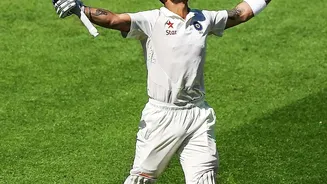


It was a final that promised a clash of titans but ended in a one-sided shock. India, the pre-tournament favourites, faced arch-rivals Pakistan and crumbled. Years later, the pain of that 180-run loss lingers. What exactly went so wrong?
A Fateful Decision at the Toss
Indian captain
Virat Kohli won the toss and chose to field, a decision that has been debated ever since. The strategy was to leverage India's strength in chasing, which had served them well throughout the tournament. The team management, including then-coach Anil Kumble and senior players, collectively backed the call, hoping to restrict Pakistan to a manageable total. However, on a sunny day at The Oval with a good batting pitch, the decision put immense pressure on the bowlers and handed Pakistan the opportunity to set the terms of the final without the scoreboard pressure of a chase. In hindsight, batting first and putting a big score on the board in a high-pressure final might have been the more prudent choice.
The Costliest No-Ball
The single most decisive moment of the match arrived in the fourth over. Pakistan's aggressive opener, Fakhar Zaman, then on just three runs, edged a Jasprit Bumrah delivery straight to wicketkeeper MS Dhoni. As Indian players celebrated the crucial early breakthrough, the umpire signaled a no-ball. Bumrah had overstepped. Handed a new life, Zaman made India pay dearly. He went on to score a blistering, match-winning maiden century of 114 runs off 106 balls, laying the foundation for Pakistan's mammoth total. That one illegal delivery completely shifted the momentum and proved to be the turning point from which India never recovered.
Pakistan's Batting Onslaught
Buoyed by Zaman's reprieve, Pakistan's batting unit fired collectively to post a colossal 338 for 4. Zaman and fellow opener Azhar Ali put on a 128-run partnership that blunted India's new-ball attack. After their departure, seasoned players like Mohammad Hafeez came in and played a blistering cameo, scoring 57 not out from just 37 balls to push the total beyond India's reach. The Indian spinners, R Ashwin and Ravindra Jadeja, were largely ineffective and expensive, failing to contain the run flow in the middle overs. This allowed Pakistan to build a total that was their highest in any ICC tournament final and created immense psychological pressure on the Indian batting lineup before they even faced a ball.
Amir's Fiery Opening Spell
If Pakistan's batting set up the win, Mohammad Amir's devastating opening spell sealed it. The left-arm pacer delivered one of the most memorable spells in ICC final history, dismantling India's formidable top order within the first nine overs. He first trapped the in-form Rohit Sharma LBW for a duck. He then induced an edge from Virat Kohli, who was dropped in the slips, only to be dismissed off the very next ball for just five runs. Soon after, he had Shikhar Dhawan, the tournament's leading run-scorer, caught behind. India was left reeling at 33 for 3, their chase effectively over before it had properly begun. Amir's spell of 3 for 16 was a masterclass in swing and seam bowling under pressure.
A Lone Warrior's Fight
Amidst the wreckage of the top-order collapse, Hardik Pandya produced a spectacular counter-attack that gave Indian fans a fleeting glimmer of hope. He smashed 76 runs from just 43 balls, including six powerful sixes, in a breathtaking display of power hitting. For a brief period, it seemed an impossible miracle might be on the cards. He forged an 80 run partnership with Ravindra Jadeja. However, the final nail in the coffin came in the form of a calamitous run out. A mix up between the two batsmen saw both players stranded at the same end, and a furious Pandya had to depart. With his dismissal, India s resistance ended, and the team was eventually all out for 158.