




Finding a fitness routine you can stick with is the biggest hurdle to a healthier lifestyle. Running and dancing are two fantastic, yet wildly different, options. But which one is right for your body, your mind, and your schedule?
Cardio Health and Calorie Burn
When it comes to pure
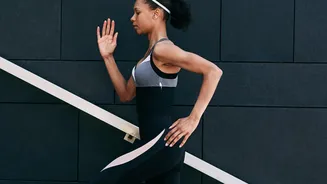
cardiovascular efficiency, running often takes the lead. It is a high-impact, high-intensity exercise that elevates your heart rate quickly and burns a significant number of calories in a short amount of time. For a 70 kg person, a 30-minute run at a moderate pace can burn approximately 345 calories. In contrast, a general dance session for the same duration might burn around 193 calories. However, the numbers don't tell the whole story. High-intensity dance styles like Zumba, hip-hop, or salsa can significantly close that gap, with some studies showing that vigorous dancing can be comparable to jogging or cycling. Furthermore, many people find they can dance for a longer duration than they can run because it feels less like a chore, potentially leading to a similar or even greater total calorie burn over the entire workout session.
Muscle Toning and Full-Body Strength
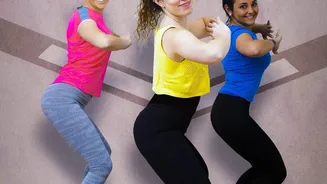
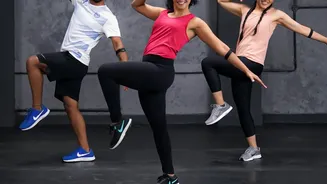
Running is a forward-motion, repetitive exercise that primarily builds strength and endurance in the lower body, particularly the quads, hamstrings, glutes, and calves. While it's excellent for developing lean leg muscles, it can neglect other areas. Dancing, on the other hand, is a genuinely full-body workout. The constant changes in direction, side-to-side movements, twists, and arm work engage a wider variety of muscle groups, including the core, back, and stabilizer muscles that running often misses. This dynamic movement not only improves overall muscle tone but also enhances flexibility, balance, and coordination. While running builds powerful, linear strength, dancing promotes a different kind of muscular endurance through sustained positions and varied, fluid motions.
The Mental and Social Game
Both activities are fantastic for mental health, largely due to the release of mood-boosting endorphins. Runners often speak of the 'runner's high', a meditative, stress-relieving state achieved during a long run. It's typically a solo activity, offering a chance for introspection and focus. Dancing offers a different, but equally powerful, set of psychological benefits. The combination of music, movement, and learning choreography engages the brain, which can improve cognitive function and help protect memory. Moreover, dance is often a social activity. Whether in a class or with a partner, the social connection can combat feelings of loneliness, enhance motivation, and build self-esteem. For many, the sheer joy and creative expression of dancing make it a powerful tool against anxiety and depression.
Injury Risk and Accessibility
From an accessibility standpoint, running has a low barrier to entry: all you need is a good pair of shoes and a place to go. However, its high-impact, repetitive nature puts significant stress on the joints, particularly the knees, ankles, and hips, leading to common injuries like shin splints and stress fractures. Proper form and well-fitted shoes are crucial to mitigate these risks. Dancing, especially styles like ballroom, is generally lower-impact because the movements are more rotational and lateral rather than purely vertical. This can be gentler on the joints. However, dancers are also susceptible to overuse injuries, especially in the feet, ankles, and hips, due to the extreme ranges of motion and repetitive practice required.
The All-Important Consistency Factor
The single most important factor in any fitness plan is consistency. This is where the choice between running and dancing becomes deeply personal. The 'best' workout is the one you actually enjoy and will do regularly. For those who love structure, tracking metrics, and the simplicity of a solo workout, running is an excellent choice. For those who get bored easily, crave social interaction, and are motivated by music and creativity, dance classes may be the key to long-term success. The fun factor in dancing often makes it feel less like exercise, which can be a powerful motivator to keep showing up. Ultimately, consistency is built on enjoyment, not just on which activity burns more calories per minute.