



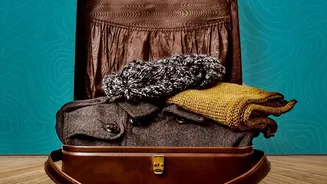
Start With a Strategy, Not a Pile of Clothes
The key to light travel begins before a single item goes into your bag. Most overpacking stems from a 'just in case' mentality. Instead, shift to a 'just what I need' mindset. Start by planning your outfits. Check the weather at your destination and list
your daily activities. This simple step helps you pack with intention, ensuring every piece of clothing earns its spot. The goal is to create a versatile collection of items that work together, rather than a suitcase full of individual, non-coordinating outfits. A popular guideline is the 3-to-1 rule: pack three tops for every bottom. For a week-long trip, this could mean two pairs of trousers and six tops, giving you plenty of options without the bulk.
Build a Mix-and-Match Capsule Wardrobe
A capsule wardrobe is your best friend for minimalist travel. The concept is simple: choose a small collection of essential items that can be easily mixed and matched. Start by selecting a neutral color palette for your core items—think black, navy, grey, or beige. Then, add one or two accent colors for variety. For a 7-day trip, a good starting point includes three to four tops, two to three bottoms, one dress or an extra outfit, and a versatile jacket or sweater. Every top should work with every bottom, maximising your outfit combinations from a minimal number of items. This approach ensures you're never staring at a suitcase full of clothes with nothing to wear.
Choose Your Fabrics Wisely
The material of your clothing has a huge impact on both weight and space. Ditch heavy cottons, which are bulky and slow to dry. Instead, opt for lightweight, wrinkle-resistant, and high-performance fabrics. Merino wool is a travel superstar; it’s breathable, resists odours (meaning you can wear it multiple times), and adapts to your body temperature. Synthetic fabrics like polyester and nylon are also excellent choices as they are wrinkle-free and dry quickly, making them perfect for a quick sink wash. Tencel and linen blends offer style and airflow for warmer climates, helping you stay comfortable without adding weight.
Master Space-Saving Packing Techniques
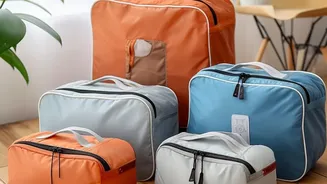
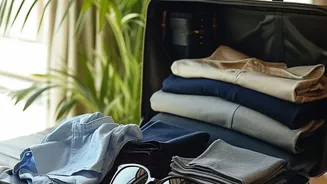
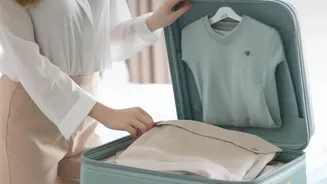
How you pack is just as important as what you pack. Rolling your clothes is a popular method that saves space and helps prevent wrinkles in softer items like t-shirts and casual pants. For more structured items like blazers, folding is often better. The real game-changer, however, is using packing cubes. These zip-up pouches help you categorise and compress your clothing, keeping your suitcase organised and tidy. Many travellers use compression cubes, which have an extra zipper to squeeze out excess air, saving even more space. Think of arranging the cubes in your luggage like a game of Tetris to fill every available inch.
Downsize Toiletries and Wear Your Heaviest Items
Liquids and bulky items are often the culprits behind overweight bags. Instead of full-size products, opt for solid toiletries like shampoo bars, conditioner bars, and solid toothpaste tablets to save space and avoid potential spills. For any liquids you must bring, use travel-sized containers that are under 100ml. Another non-negotiable rule of light travel is to wear your bulkiest items on the plane. This includes your heaviest shoes (like boots or sneakers), your jacket, and any sweaters. This simple trick frees up a significant amount of weight and volume in your bag, which can make the difference in meeting that 7kg limit.