


Why August is Prime Time for Ladakh
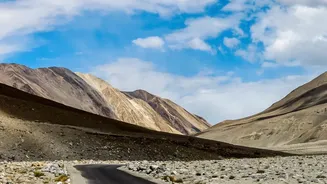
While the rest of the country deals with the monsoon, Ladakh experiences its summer. Nestled in a rain shadow created by the Himalayas, it receives minimal rainfall, resulting in dry, clear weather perfect for travel. Daytime temperatures in Leh are pleasant,
typically ranging from 15°C to 25°C, ideal for sightseeing. Nights are crisp and cool, so packing layers is essential. This favourable weather means that both major road arteries—the Srinagar-Leh and Manali-Leh highways—are open, as are the crucial internal roads to popular spots like Nubra Valley and Pangong Lake. This accessibility makes August a peak tourist season, with a vibrant atmosphere and all hotels and guest houses fully operational.
Gateway to the High Passes: Getting There
You have two main options for reaching Ladakh in August: by air or by road. Flying into Leh's Kushok Bakula Rimpochee Airport is the fastest and most reliable method, with regular services from major Indian cities. However, the dramatic road journey offers an adventure in itself. The Manali-Leh highway is a legendary route but can be susceptible to rain and landslides in its lower stretches. The Srinagar-Leh highway is often considered a slightly safer bet during the monsoon, with fewer disruptions. Whichever route you choose, the scenery shifts from lush greenery to stark, beautiful mountain desert as you ascend. Given the popularity of the season, booking flights and accommodations well in advance is highly recommended.
Iconic Sights and Cultural Immersion
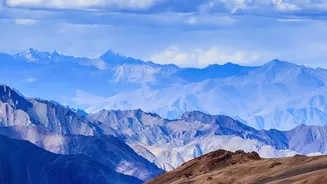
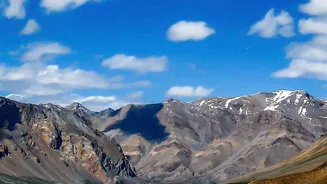
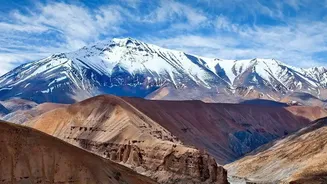
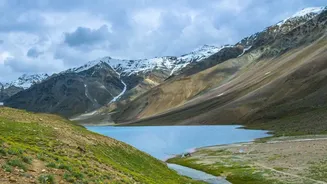
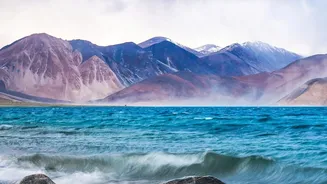
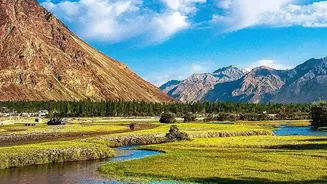
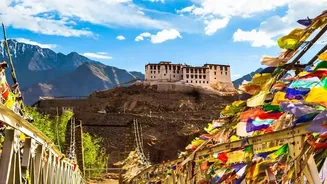
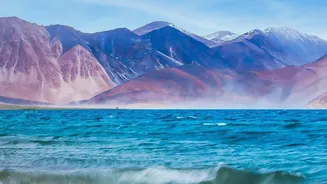
Ladakh in August is a visual feast. The iconic, colour-changing Pangong Tso is a must-visit, its deep blue waters set against barren mountains. The Nubra Valley, accessed via the famed Khardung La pass, offers the surreal sight of sand dunes and double-humped Bactrian camels. The region's soul, however, lies in its ancient monasteries. Thiksey Monastery, with its stunning resemblance to the Potala Palace, and Hemis, the largest monastery in Ladakh, are essential stops. August is also a time for vibrant monastic festivals. Depending on the lunar calendar, you might catch events like the Korzok Gustor or Takthok Festival, featuring masked dances and ancient rituals.
Adventures in the Thin Air
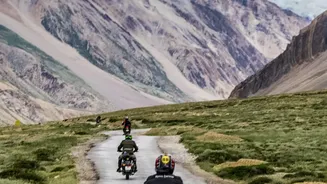
The clear weather in August makes it an excellent time for adventure activities. The water levels in the Zanskar and Indus rivers are high, offering thrilling white-water rafting experiences for both beginners and experts. The region is also a trekker's paradise. The Markha Valley trek is a popular choice, taking you through remote villages and stunning landscapes. For those who prefer two wheels, the roads are perfect for a motorcycle expedition, with the ride to Khardung La being a bucket-list item for many riders. Whether you're camping by the serene Tso Moriri lake or ziplining across the Indus valley, adventure is always around the corner.
The Golden Rule: Acclimatisation and Permits
The most critical part of any Ladakh trip is acclimatisation. Leh is situated at an altitude of 3,500 metres (about 11,500 feet), and arriving by flight means a rapid ascent. To prevent Acute Mountain Sickness (AMS), you must rest for at least 24-48 hours upon arrival. This means no strenuous activity, no immediate trips to high passes, and plenty of water. Listen to your body; headaches and dizziness are early warning signs. For visiting areas like Nubra Valley, Pangong Tso, and Tso Moriri, Indian tourists need to pay an environment fee online via the official Leh administration portal. This receipt, along with a valid government ID, functions as your permit at various checkpoints.