



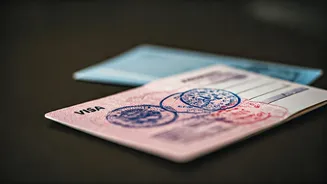




What's the Global Fee Change?
Effective July 1, 2026, Japan implemented its first major visa fee revision in 48 years. For most foreign nationals, the cost of a single-entry visa jumped fivefold, from 3,000 yen to 15,000 yen (approximately ₹8,700). Similarly, the fee for a multiple-entry
visa increased from 6,000 yen to 30,000 yen (around ₹17,500). The Japanese government stated that this significant hike was necessary to reflect decades of inflation and fluctuating exchange rates, as well as to cover the rising administrative costs associated with a record boom in tourism. The move also aims to align Japan's charges more closely with those of other G7 nations. This change applies to applications submitted at Japanese embassies and consulates worldwide.
The Good News for Indian Travellers
Here’s the crucial update for anyone planning a trip from India: Indian passport holders are exempt from this global visa fee hike. Thanks to a bilateral agreement between India and Japan, the visa fee structure for Indian citizens remains unchanged. While travellers from many other countries will now face a significantly higher cost, Indians can continue to plan their Japanese holidays without factoring in this new expense. The news confirms that despite the global headlines, travel to Japan remains just as accessible for Indians as it was before the change.
So, What Will You Actually Pay?
For Indian applicants, the visa fee remains a very affordable ₹500 for both single-entry and multiple-entry visas. This fee is paid to the Embassy of Japan. In addition to this, applicants must pay a mandatory service charge to VFS Global, which handles the application processing in India. As of early July 2026, this service charge is ₹800, inclusive of all taxes. Therefore, the total mandatory cost for a Japanese tourist visa for an Indian citizen comes to ₹1,300. This is a stark contrast to the nearly ₹9,000 that many other nationals will now have to pay for a single-entry visa.
A Tale of Two Fee Structures
The exemption for India highlights a system of country-specific visa fee arrangements. While Japan has overhauled its standard international fee, its agreements with certain nations like India take precedence. This means that while a traveller from the Philippines or China applying for a visa will face the new, higher costs, an Indian family planning a trip to see the cherry blossoms will pay the same low fee as they would have last year. The application process itself also remains the same for Indians, with submissions continuing through VFS Global centres across the country without any new procedural hurdles related to the fee change.
Keep Calm and Plan Your Trip
With the confusion cleared, the bottom line is simple: your dream trip to Tokyo, Kyoto, or Hokkaido has not become more expensive from a visa perspective. The core requirements—a valid passport, photographs, a completed application form, your travel itinerary, and proof of financial means—are still the main components of a successful application. The fee remains one of the most affordable among popular long-haul destinations for Indian tourists. So, while the global travel community adjusts to Japan's new fee structure, Indian travellers can continue their planning with the welcome assurance that their wallets have been spared.