


Rethinking the 'Diabetic Sweet'
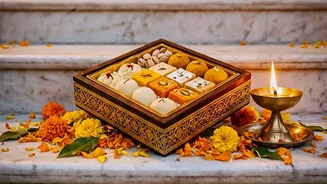
The idea of a 'diabetic-friendly' sweet isn't about a single magic ingredient, but a combination of principles. The goal is to slow down how quickly sugar enters your bloodstream. Traditional Indian sweets, often rich in refined sugar, white flour, or
rice, can cause a rapid spike in blood glucose. Sweets made with blood sugar in mind use alternative ingredients to create a gentler effect. This means replacing fast-acting carbohydrates with slower-digesting components, helping to prevent the sharp energy highs and subsequent crashes associated with high-sugar foods. Understanding these components empowers you to make better choices, whether you're buying a packaged sweet or modifying a family recipe for mithai.
Decoding the Ingredient List
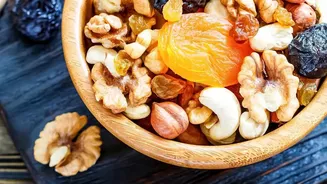
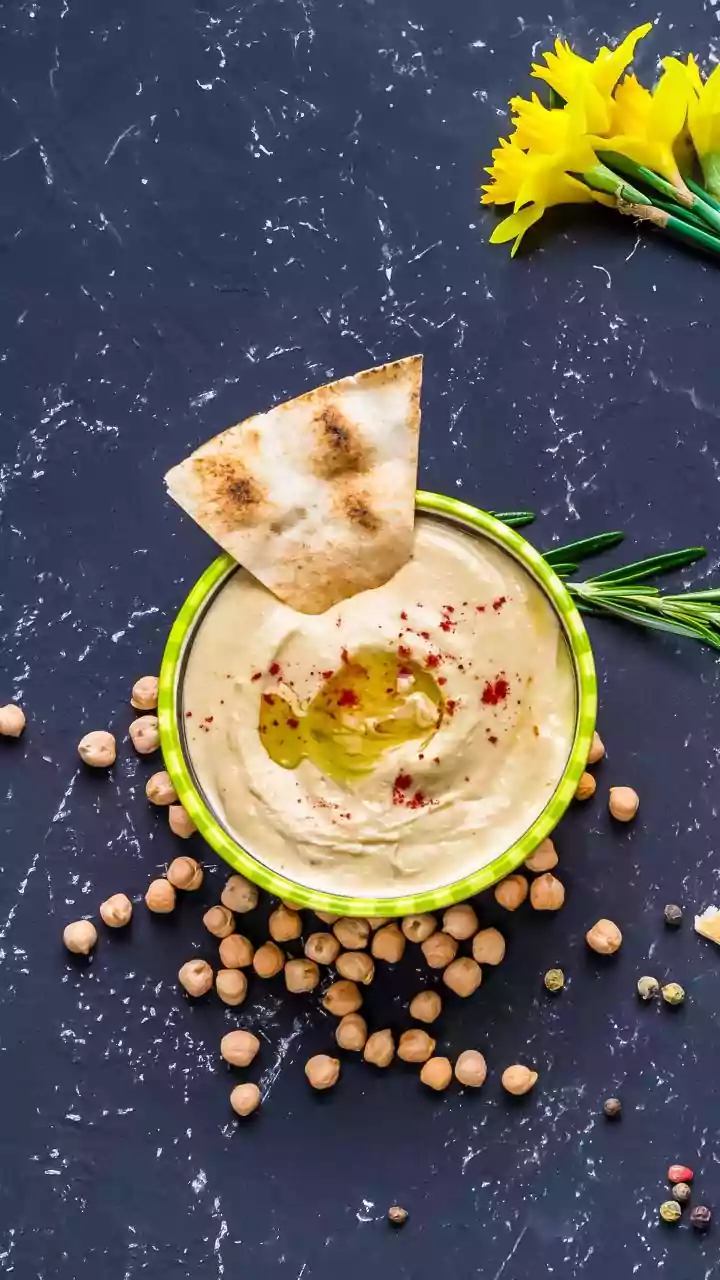
When choosing a blood sugar-friendly dessert, the ingredient list is your best friend. Look for sweets built around protein, healthy fats, and fibre. Ingredients like almond flour (badaam atta), chickpea flour (besan), nuts, and seeds add substance that slows down sugar absorption. Instead of sugar, look for natural, zero-glycemic index sweeteners like stevia or monk fruit. Sugar alcohols such as erythritol can also be used, as they have a minimal impact on blood sugar. Be cautious of products that use 'natural' sugars like honey or jaggery liberally; while less processed, they still impact blood sugar significantly. The key is to find treats where these smarter ingredients are the main event, not just an afterthought.
The Power of Pairing and Portions
Even the 'healthiest' sweet can raise blood sugar if you eat too much. Portion control is non-negotiable. Instead of eating from a large box, serve a small, single portion in a bowl. This mindful act helps you savour the treat without overindulging. Furthermore, what you eat your sweet with matters immensely. Pairing a sweet with sources of protein and fat—like having a small ladoo after a meal rich in dal and vegetables, or eating a few nuts with a piece of dark chocolate—can significantly blunt the glucose spike. These other nutrients slow down digestion, leading to a more gradual release of sugar into the bloodstream.
Timing Your Treats for Better Balance
When you eat a sweet can be as important as what you eat. Research suggests our bodies are more efficient at managing glucose earlier in the day. Insulin sensitivity is typically higher in the morning and decreases as the evening progresses. Therefore, enjoying a small sweet after lunch is likely to result in a smaller blood sugar rise compared to having the same treat late at night. Eating sweets on an empty stomach is the fastest way to spike your blood sugar, as there's no fibre or protein to slow down absorption. For a gentler impact, always have your dessert after a balanced meal.
Why Personalised Guidance Is Key
There is no one size fits all rule for diabetes and desserts. How your body responds to a particular food depends on many factors, including your activity level, medications, and individual metabolism. This is where professional guidance becomes invaluable. A registered dietitian can help you understand your unique nutritional needs and create a personalised plan. They can teach you to read food labels, understand portion sizes, and incorporate your favourite foods—including sweets—into your diet in a way that is both safe and enjoyable. Working with a professional takes the fear and guesswork out of eating, allowing you to manage your health with confidence.